Peeling or Fading Siding Paint: What to Assess Before Repainting
Peeling or fading siding paint should be assessed for moisture, surface damage, failing caulk, and poor adhesion before repainting. PainterSammamishwa.com checks the siding condition first so repairs, preparation, and paint selection match the problem.
Get a Free Estimate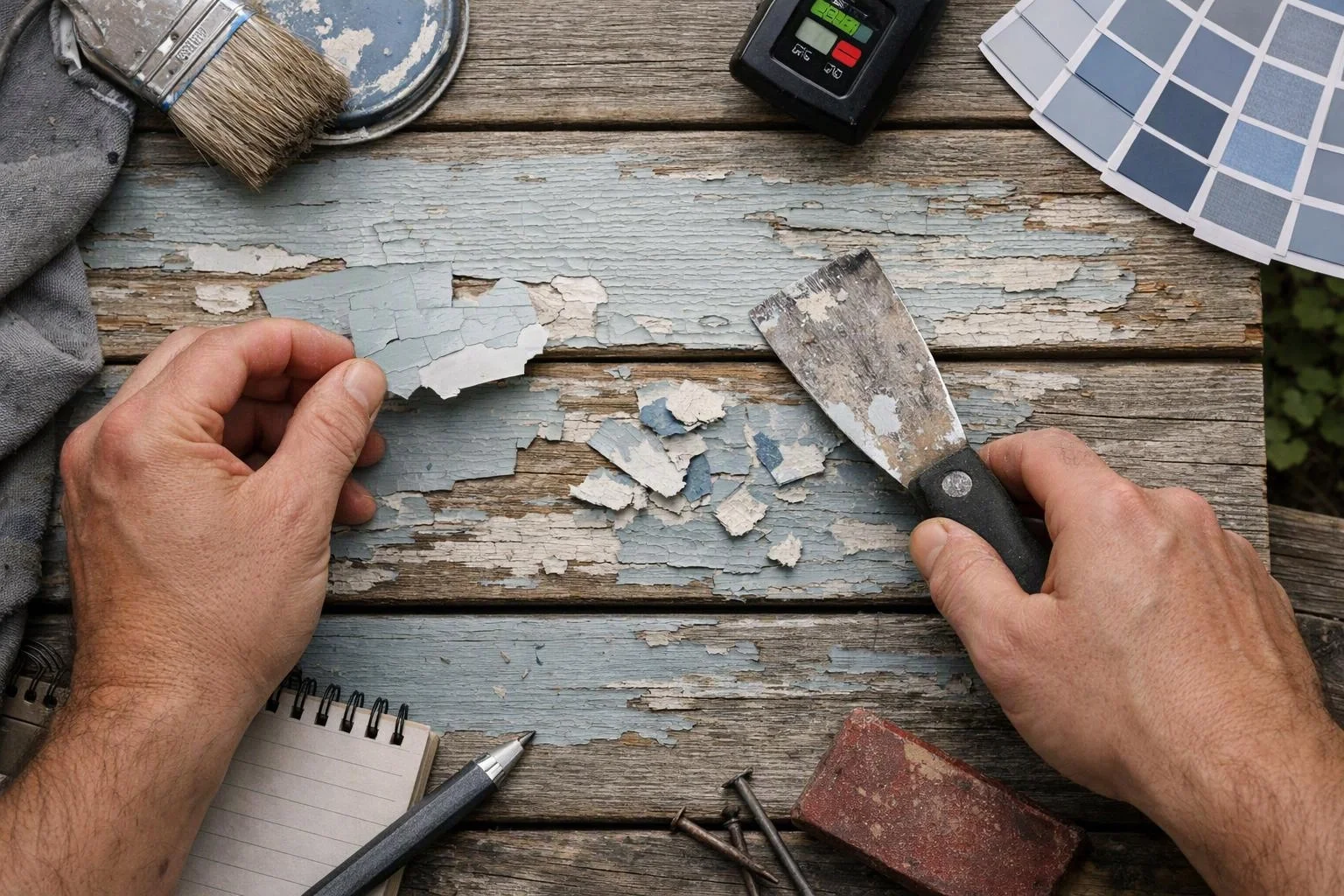
What Peeling and Fading Siding Paint Can Tell You
Siding paint that peels or fades can show that the coating, siding surface, or moisture control needs attention before repainting.
Peeling often points to weak paint adhesion or moisture intrusion. Fading can result from sun exposure, weathering, or a paint film that no longer protects the siding condition.
We inspect the paint film and the siding substrate together. Our team then matches the repair and preparation plan to the actual cause.
Our Siding Painting service begins with this condition check, not with paint application alone.
Signs Your Siding Paint Needs More Than a New Coat
Visible coating problems can point to deeper siding or moisture issues. We look for these signs before planning repainting.
A single sign may need simple preparation, but several signs together call for a closer inspection.
Why Is Paint Peeling or Fading on Siding?
Peeling or fading siding paint usually results from moisture, weak adhesion, surface contamination, or weather exposure.
We identify the likely cause before choosing a paint system. That step helps prevent the same coating failure from returning.
What Should You Check Before Repainting Siding?
Before repainting siding, we check the substrate, moisture sources, coating adhesion, joints, and preparation needs.
Our inspection follows a clear sequence so the repainting plan fits the siding condition.
How We Separate Paint Failure From Siding Damage
Paint failure affects the coating, while siding damage affects the substrate beneath that coating.
Wood siding may have rot or soft areas. Fiber cement siding may have cracks or damaged edges, while vinyl siding may show warping or loose panels.
We test the condition of exposed areas and inspect panel movement. Our team separates repainting needs from siding repair needs before work begins.
When Does Damaged Siding Need Repair Before Painting?
Damaged siding needs repair before painting when the material is soft, unstable, warped, cracked, or affected by ongoing moisture.
Rot and soft wood cannot provide a sound base for exterior paint. Warped or loose siding can move and reopen cracks after painting.
We address water damage and unstable sections before applying a new coating. If the affected material cannot support repair, our team identifies where siding replacement is needed.
Peeling Paint Versus Fading Paint: What Needs Attention First?
Peeling paint usually needs surface correction first, while fading paint often needs coating evaluation and color planning.
Both conditions can involve poor adhesion, weathering, or preparation problems. The table shows what we assess first for each condition.
| Condition | First concern | Preparation focus | Paint planning |
|---|---|---|---|
| Peeling paint | Adhesion, moisture, or damaged siding | Remove loose coating and correct the surface | Use primer where the substrate or repairs need it |
| Fading paint | Color fading, sun exposure, or weathering | Clean chalking and prepare the existing coating | Choose a compatible paint for color retention |
| Chalking | Loose residue on the paint surface | Clean and allow the surface to dry | Confirm paint compatibility before coating |
How We Prepare Siding for a Lasting Repaint
We prepare siding by removing failed coating, cleaning the surface, and creating a sound base for exterior paint.
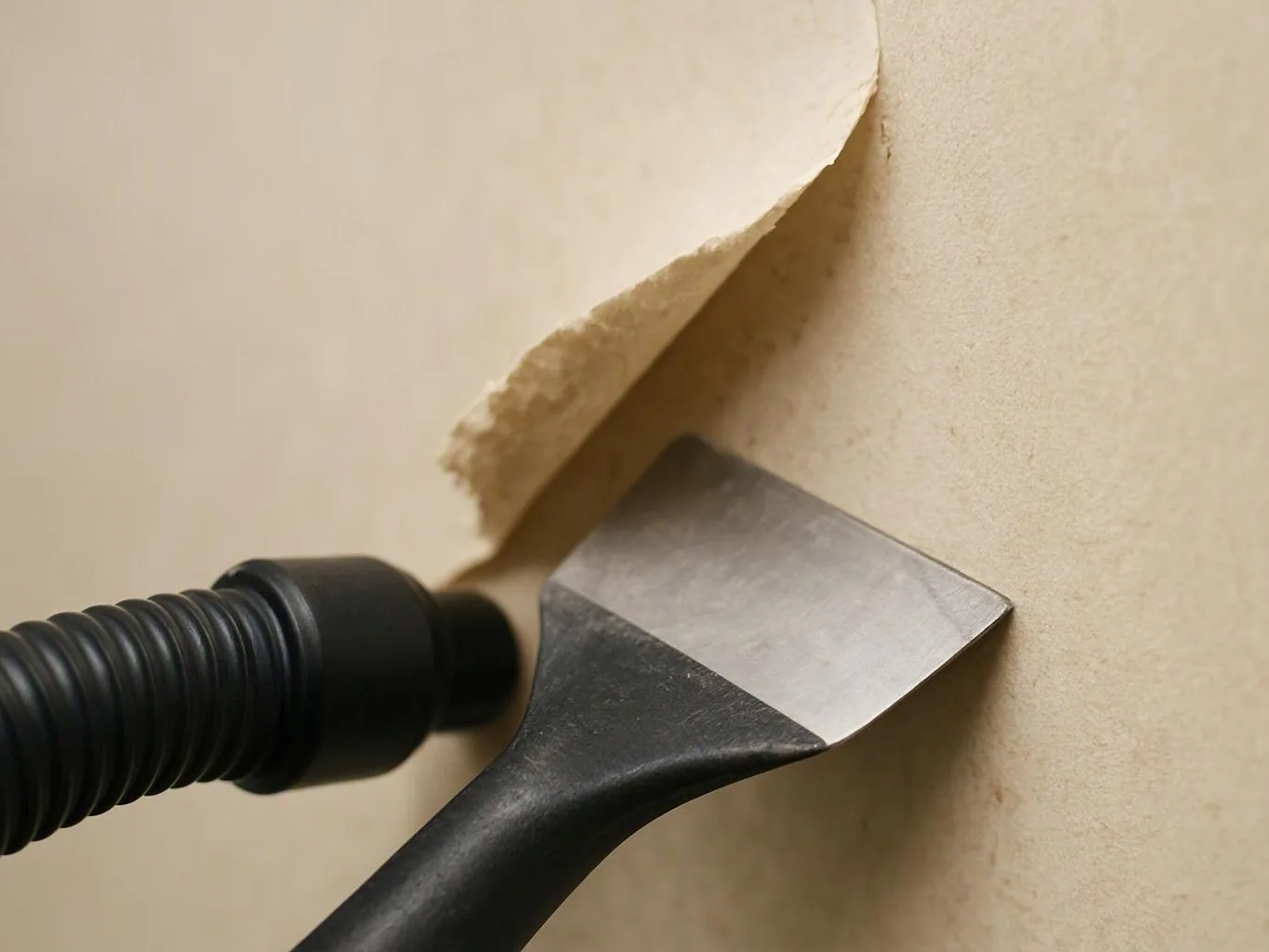
Our crew starts with scraping where paint is loose or flaking. We then clean the siding, sand rough edges, and allow damp areas to finish drying.
We use spot priming on exposed or repaired areas when the substrate needs extra protection. We also renew failing caulk before applying compatible exterior paint.
Each step supports better paint adhesion. We adjust the process when the siding material or existing coating requires different treatment.
How to Help Prevent Peeling and Fading Siding Paint
Regular care helps protect siding paint from moisture, contamination, and weather exposure.
We explain maintenance needs after the repaint so the coating remains easier to inspect and maintain.
What Changes the Quote for Repainting Peeling Siding?
The quote changes with the siding material, failed-paint removal, repairs, preparation, access, and selected paint system. Free Estimates Available from PainterSammamishwa.com.
Wood, fiber cement, vinyl, and composite siding can require different preparation methods. The amount of peeling coating, damaged siding, primer, and caulking also changes the work involved.
Access and surface area affect the crew’s preparation and application plan. We review these conditions and explain what the quote includes before work begins.
Request an exact quote through our contact page.
Plan the Right Siding Repaint After the Assessment
Siding painting works best when the repainting plan follows the siding condition.
We use the assessment to define surface preparation, siding repair, primer needs, caulk work, and exterior house painting. That plan helps address the cause of peeling or fading instead of covering the symptoms.
PainterSammamishwa.com can review the siding and explain the next step for your repainting project.
Contact PainterSammamishwa.com to request an assessment and quote.
Questions About Peeling or Fading Siding Paint
Can you paint siding that is peeling?
PainterSammamishwa.com can paint peeling siding after we remove failed coating and correct the surface. We also check for moisture intrusion, damaged siding, and weak adhesion before applying new paint.
Should old peeling paint be removed before repainting?
Yes, loose and peeling paint should be removed before repainting. We scrape unstable coating, smooth rough edges, clean the surface, and prime exposed areas when needed.
Can faded siding be repainted without replacing it?
Yes, faded siding can often be repainted when the siding remains sound and stable. We check for rot, warping, cracks, moisture, and coating failure before choosing preparation and paint.
How do you know if siding has water damage?
Water damage can show as soft wood, swelling, rot, staining, loose siding, or recurring peeling. We inspect the siding substrate and nearby joints to identify moisture-related damage.
Does alligatoring paint mean the siding needs replacement?
No, alligatoring paint does not automatically mean the siding needs replacement. We check whether the cracking is limited to the paint film or has reached damaged, unstable siding.