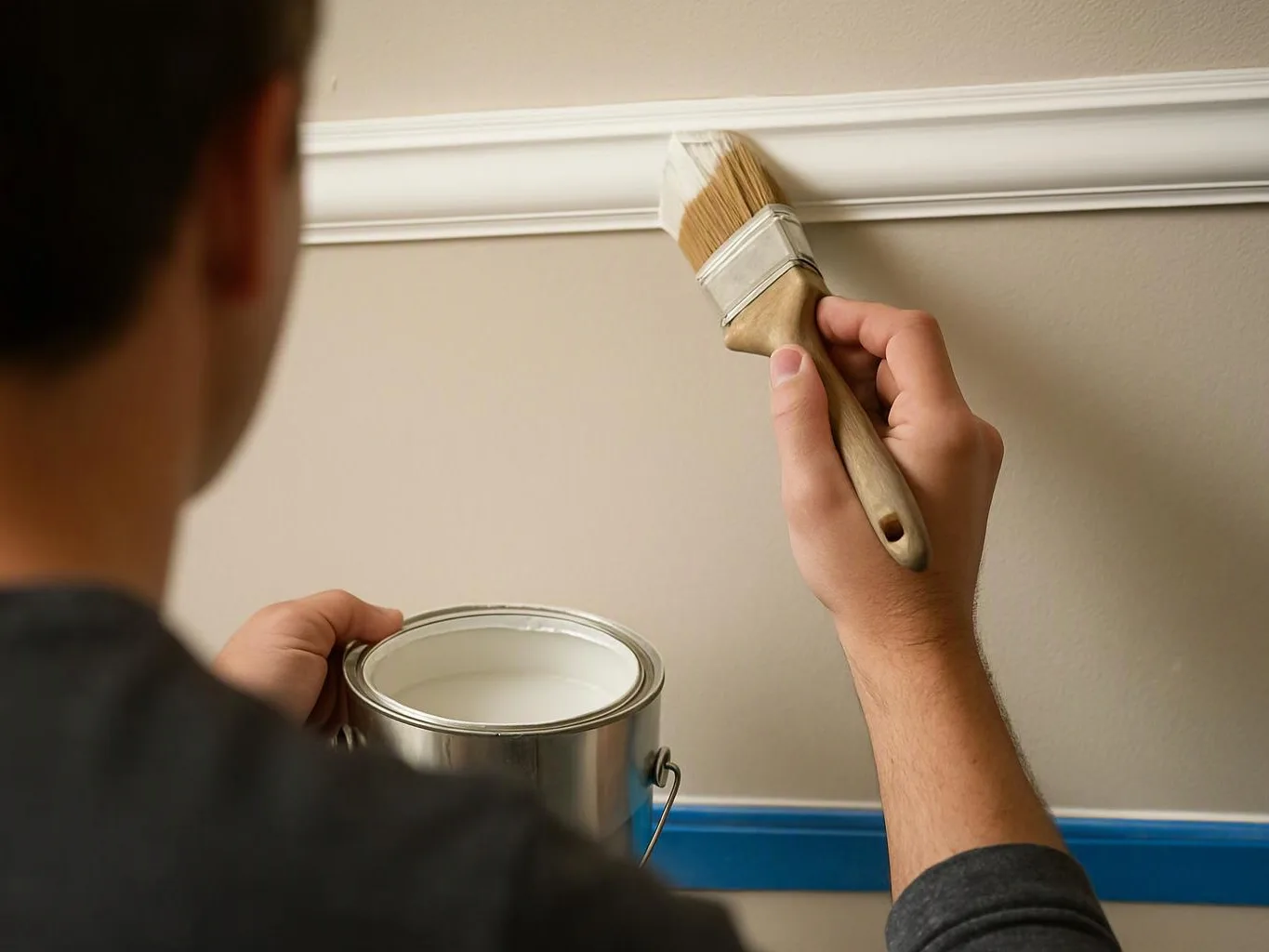
Old Paint Removal Mistakes That Can Undermine a Repaint
Mistakes when stripping old paint include skipping surface checks, using the wrong removal method, leaving residue, and painting over weak layers. PainterSammamishwa.com checks adhesion, substrate condition, and surface cleanliness before repainting.
Get a Free EstimateWhy Old Paint Removal Mistakes Affect the New Finish
Old paint removal creates risks for repaint adhesion and surface durability when weak layers remain below the new coating. Peeling paint can pull fresh paint away from the substrate, even when the new product is suitable.
Good surface preparation starts with checking the old paint, the substrate, and the cause of failure. We inspect the surface before choosing between selective removal and more complete paint stripping.
Our Paint Stripping service focuses on a paint-ready surface. We remove unstable material, control contamination, and prepare the surface for primer and repainting.
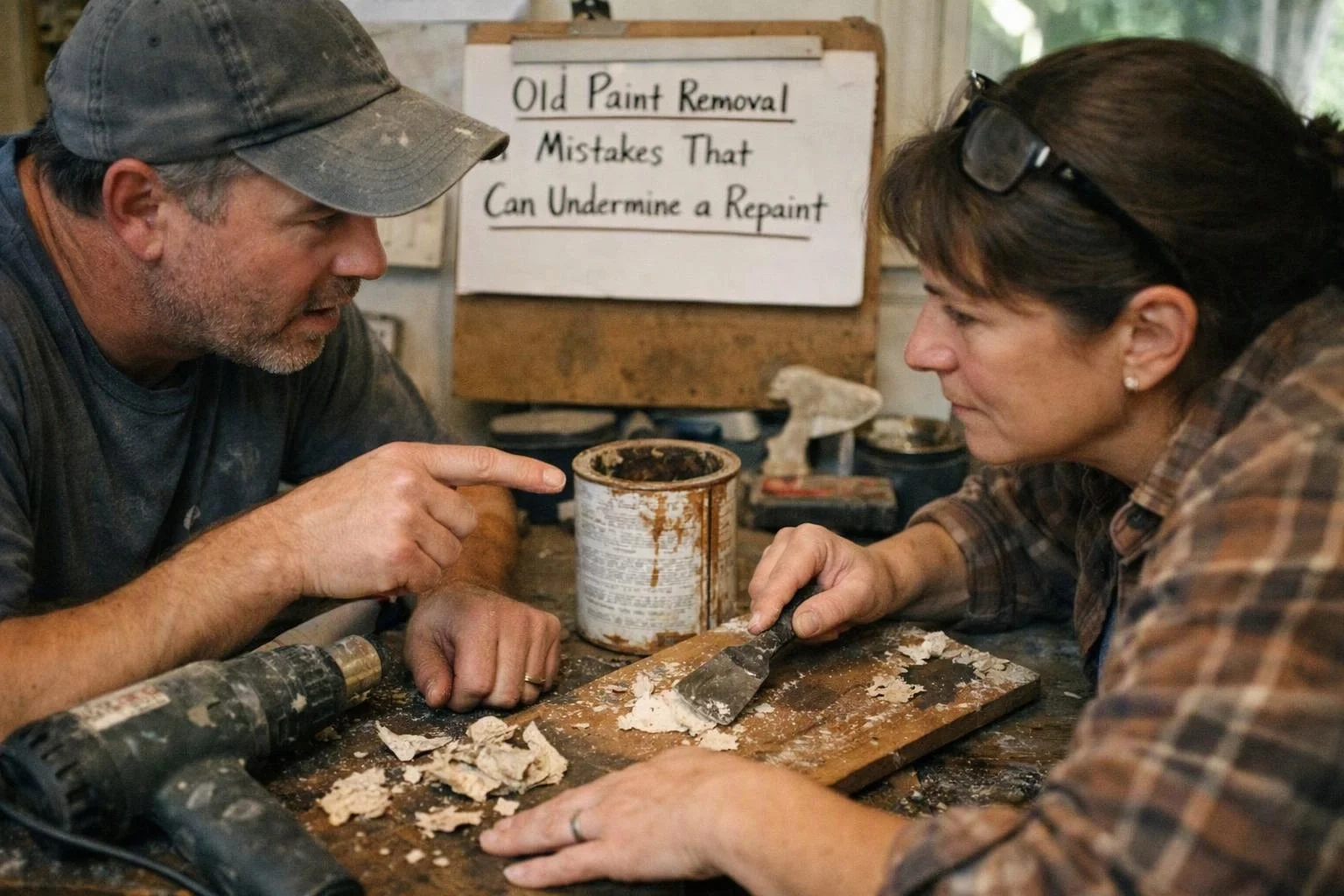
Old Paint Removal Mistakes at a Glance
Each paint stripping mistake creates a different risk for the new finish. The right correction depends on the coating, the substrate, and the condition of the surface.
We use these factors to decide whether the surface needs spot work, broader removal, or careful review before repainting.
| Mistake | Failure risk | Typical correction |
|---|---|---|
| Skipping the surface check | Substrate damage stays hidden | Inspect the material before removal |
| Using the wrong removal method | The surface can be damaged | Match the method to the surface |
| Leaving residue or dust | Paint adhesion can suffer | Clean and prepare the surface |
| Painting over weak layers | The repaint can fail with the old coating | Remove loose paint and prime as needed |
Mistake: Stripping Paint Without Checking the Surface First
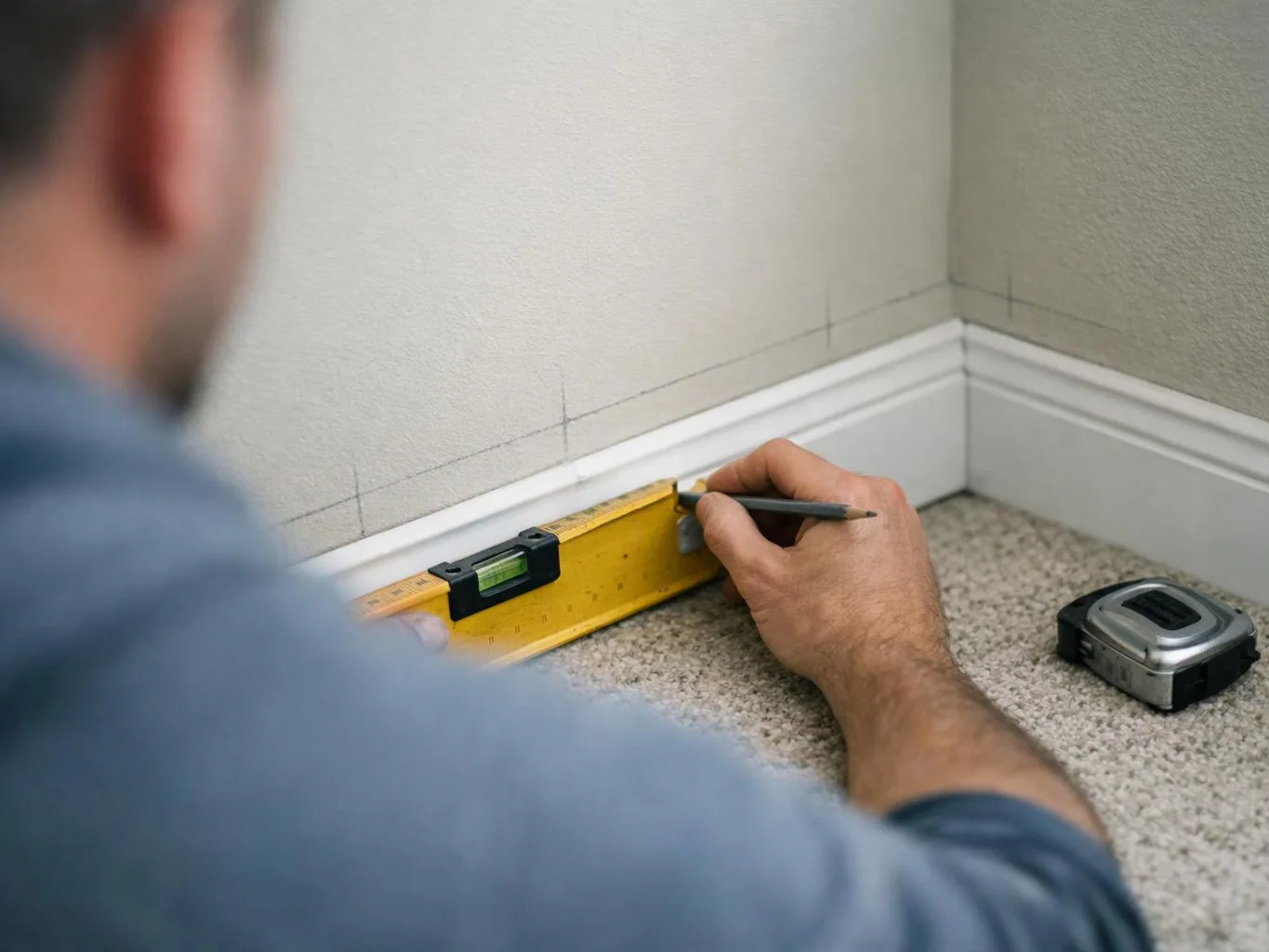
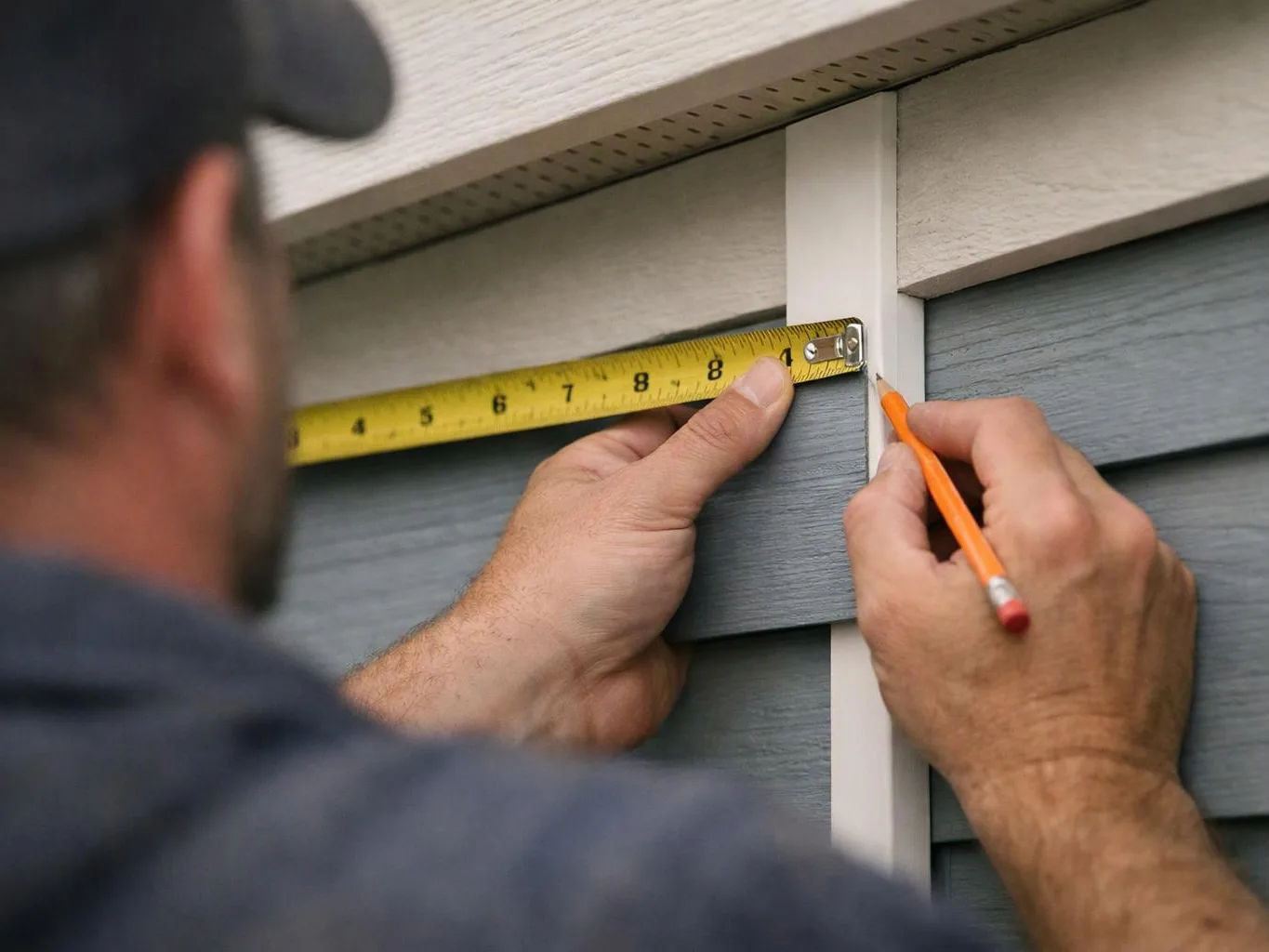
Surface inspection should come before paint removal because wood siding, masonry, and drywall react differently. Hidden wood damage, cracks, damp areas, or weak drywall can change the work plan.
We check the substrate condition and look for movement, moisture damage, and signs of earlier coating failure. That review helps us choose a safe removal scope and avoid unnecessary damage.
Mistake: Choosing a Removal Method That Does Not Fit the Surface
Every removal method has limits, so surface compatibility guides the choice. Chemical stripper, scraping, sanding, and heat removal can produce different results on different materials.
We select the method that protects the substrate and controls the work area. The correction may involve one method or a careful combination, depending on the coating and surface.
Mistake: Removing Sound Paint That Could Have Stayed
Sound paint can often remain when it is firmly bonded and compatible with the repaint plan. Removing stable paint adds work and may expose the substrate without improving the result.
We separate loose paint from stable paint layers and use selective removal when the surface supports it. Complete removal becomes more suitable when the coating is broadly unstable or incompatible.
Mistake: Leaving Peeling Edges Behind
Peeling paint and flaking paint leave raised edges that show through the new finish. These edges can also let moisture reach the coating transition.
We remove unstable edges, feather the transition, and check surface leveling before priming. This creates a smoother boundary between old paint and prepared substrate.
Mistake: Leaving Stripper Residue on the Surface
Paint stripper residue can act as surface contamination beneath primer and paint. Residue may interfere with paint adhesion even when the surface looks clean.
We follow the product requirements for cleaning and neutralization. Our team checks the surface before coating so leftover material does not undermine the repaint.
Mistake: Sanding Too Aggressively After Stripping
Abrasive sanding can create surface gouges, exposed wood fibers, and excess dust. Aggressive sanding may damage the material while trying to smooth the old coating.
We use controlled sanding to remove rough areas and improve surface smoothing. We also manage dust and clean the surface before primer is applied.
Mistake: Painting Before the Surface Is Dry and Stable
A dry surface is needed for dependable paint adhesion and recoat readiness. Surface moisture can weaken the coating and wood movement can reopen prepared areas.
We check drying conditions and surface stability before painting. Our team waits for the substrate and cleaning process to support the next coating.
Mistake: Ignoring the Cause of the Old Paint Failure
Moisture intrusion, poor ventilation, and substrate movement can cause peeling paint to return. Covering the visible damage without addressing the moisture source can lead to another coating failure.
We look for the condition behind the failed coating and include that finding in the repaint decision. Our process accounts for moisture damage, movement, and other surface risks before new paint is applied.
Mistake: Treating Every Paint Layer as a DIY Removal Job
Multiple paint layers can increase dust, heat, chemical, and lead paint risk. Protective equipment and dust control become especially important when the coating history is unclear.
We assess the layers and work area before choosing a removal approach. When the project presents safety concerns or extensive surface damage, PainterSammamishwa.com handles the paint stripping process with controlled preparation.
What We Check Before Sanding or Stripping Old Paint
We check the surface before sanding or stripping so the removal method fits the material and the repaint goal. Our review also helps identify conditions that could cause another failure.
The process covers the work area, the coating, and the substrate before removal begins.
Can You Paint Over Old Peeling Paint?
No, paint should not cover loose or peeling layers because the new coating can detach with the weak paint beneath it.
Scraping removes unstable material, but scraping alone may not create a smooth paint-ready surface. We level the remaining edges, clean the surface, and use primer when the substrate or coating requires it.
New paint can peel over old paint when the old layer has poor adhesion, the surface is contaminated, or moisture keeps reaching the coating. We correct the cause and prepare the surface before repainting.
When to Call PainterSammamishwa.com for Paint Stripping
Call PainterSammishwa.com when paint removal involves unsafe access, broad failure, or uncertain coating conditions. Our crew can review the surface and explain the removal and repaint plan.
These situations deserve careful handling because rushed removal can increase surface damage and cleanup.
How We Prepare a Surface for Repainting
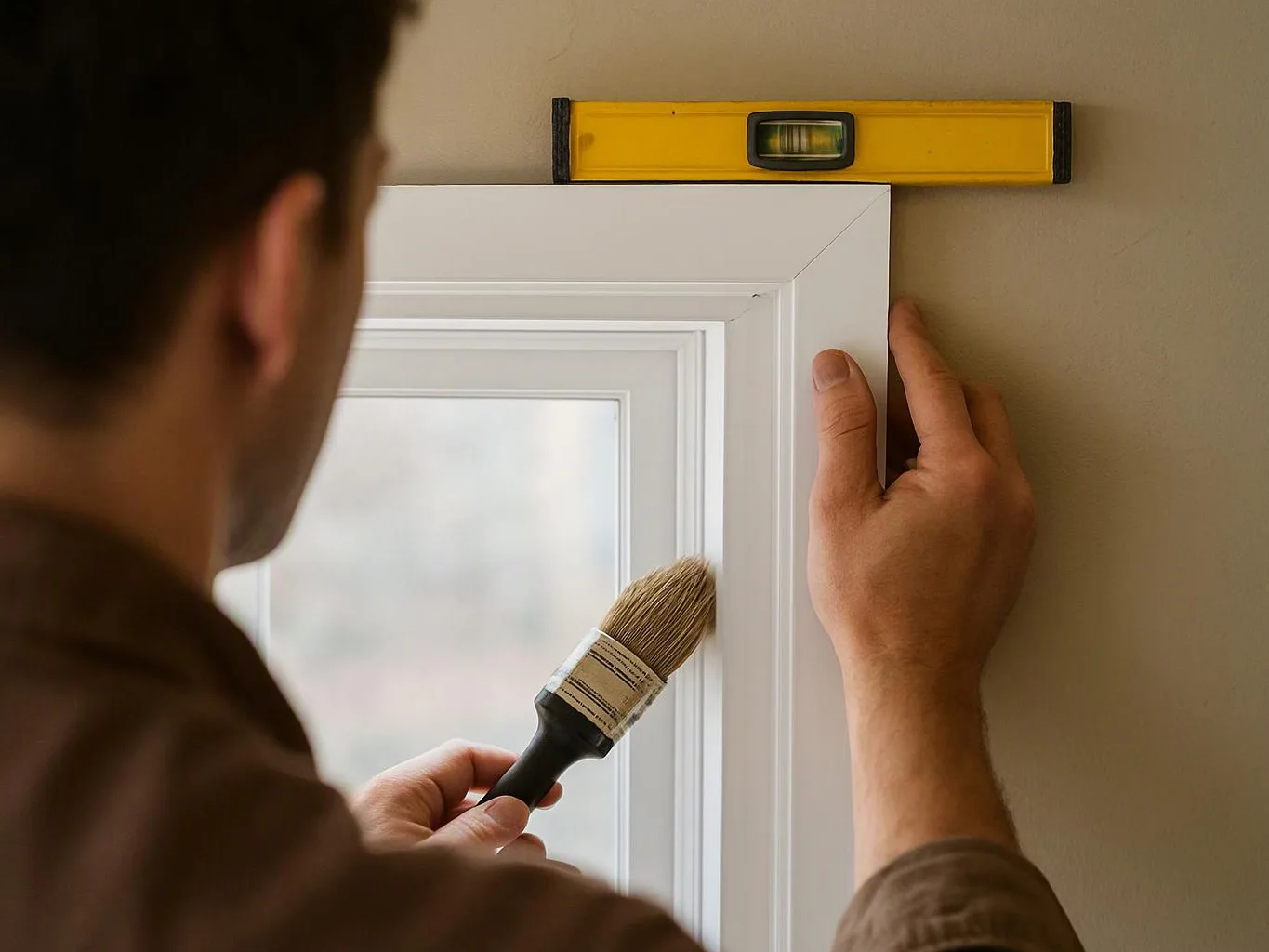
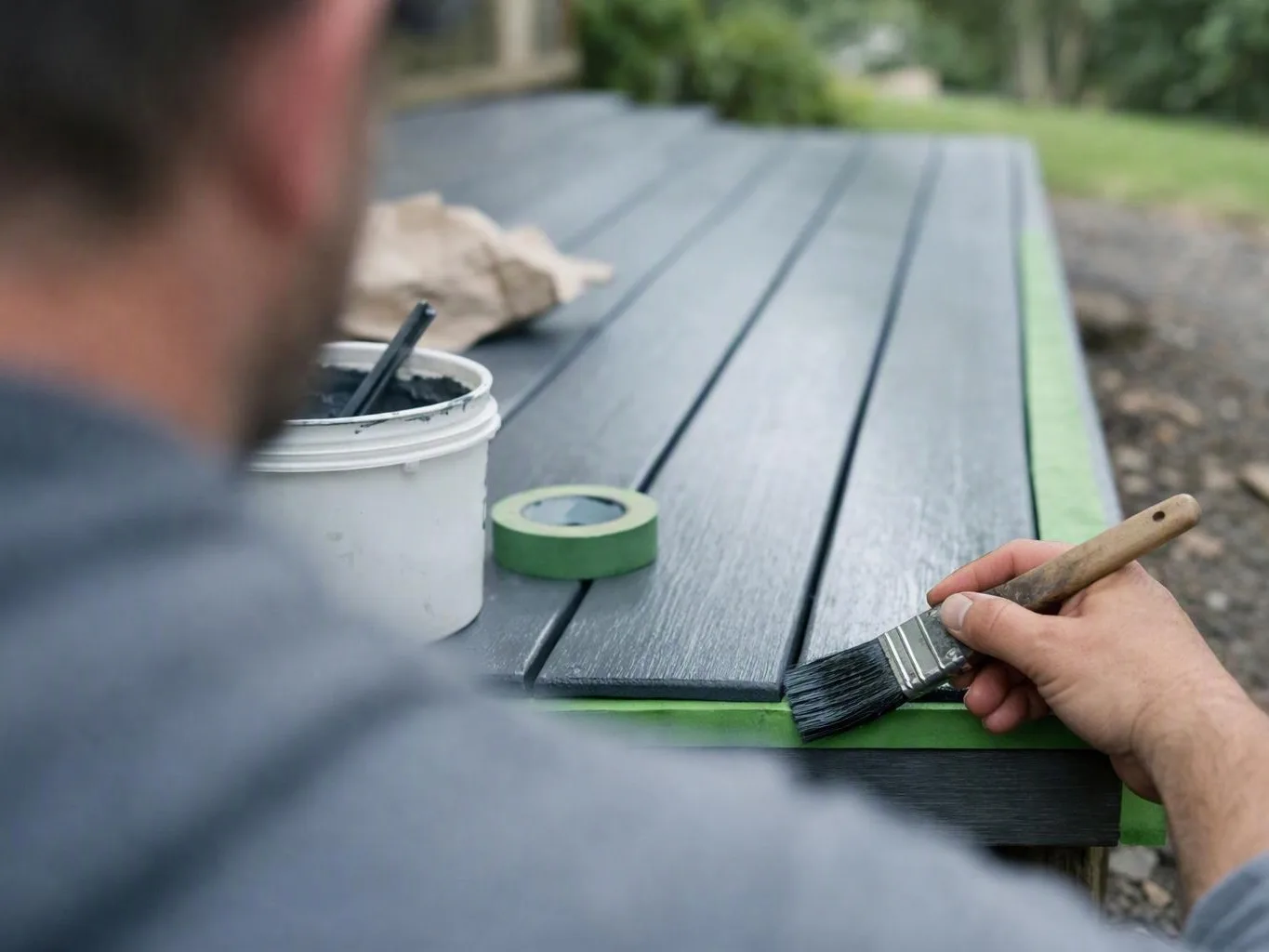
Surface preparation makes the repaint more dependable by removing weak material and reducing contamination. We begin with scraping where needed, then use controlled sanding to smooth the surface.
Our crew cleans dust, stripper residue, and other surface contamination before checking the dry surface. We then apply primer where the substrate or remaining coating needs a suitable bonding layer.
PainterSammamishwa.com reviews the prepared area before repainting begins. That final check confirms the surface is stable, clean, and ready for the selected coating.
What Changes the Cost of Correcting Paint Removal Mistakes?
The cost depends on the amount of paint, surface damage, access, removal method, cleanup, and repaint preparation required.
More paint layers can increase removal work, while damaged wood, masonry, or drywall can add preparation needs. Access, dust control, residue cleanup, primer, and repainting also shape the scope.
We review these conditions before giving a quote, so the work includes the correction needed for a paint-ready surface. Free Estimates Available.
Questions About Old Paint Removal and Repainting
Should old paint always be stripped before repainting?
Old paint doesn't always need complete removal when it is firmly bonded, stable, and suitable for repainting. PainterSammamishwa.com checks the coating and substrate first, then chooses selective or broader removal.
How do you know if old paint is still firmly bonded?
Firmly bonded old paint stays attached during a careful surface and adhesion review. We check for lifting edges, flaking areas, cracks, and movement before deciding whether the layer can remain.
What should be checked before removing paint from wood?
Wood should be checked for moisture damage, soft areas, movement, exposed fibers, and coating adhesion before paint removal. We inspect the wood condition first so scraping, sanding, or another method doesn't worsen the damage.
Get the Surface Ready for Repainting
Old paint removal mistakes can lead to peeling, contamination, substrate damage, and wasted repaint work. We inspect the coating, select the right removal method, and prepare the surface for primer and paint.
Contact PainterSammamishwa.com to discuss your paint stripping needs and request a clear estimate for the work.
Get a Free EstimateRelated Resources
Why Interior Paint Bubbles, Peels, or Cracks — and What to Do Before Repainting
What It SolvesWhat Exterior Peeling Paint May Be Telling You
What It SolvesWhy Deck Stain Peels and How to Decide What the Surface Needs
What It SolvesPeeling or Fading Siding Paint: What to Assess Before Repainting