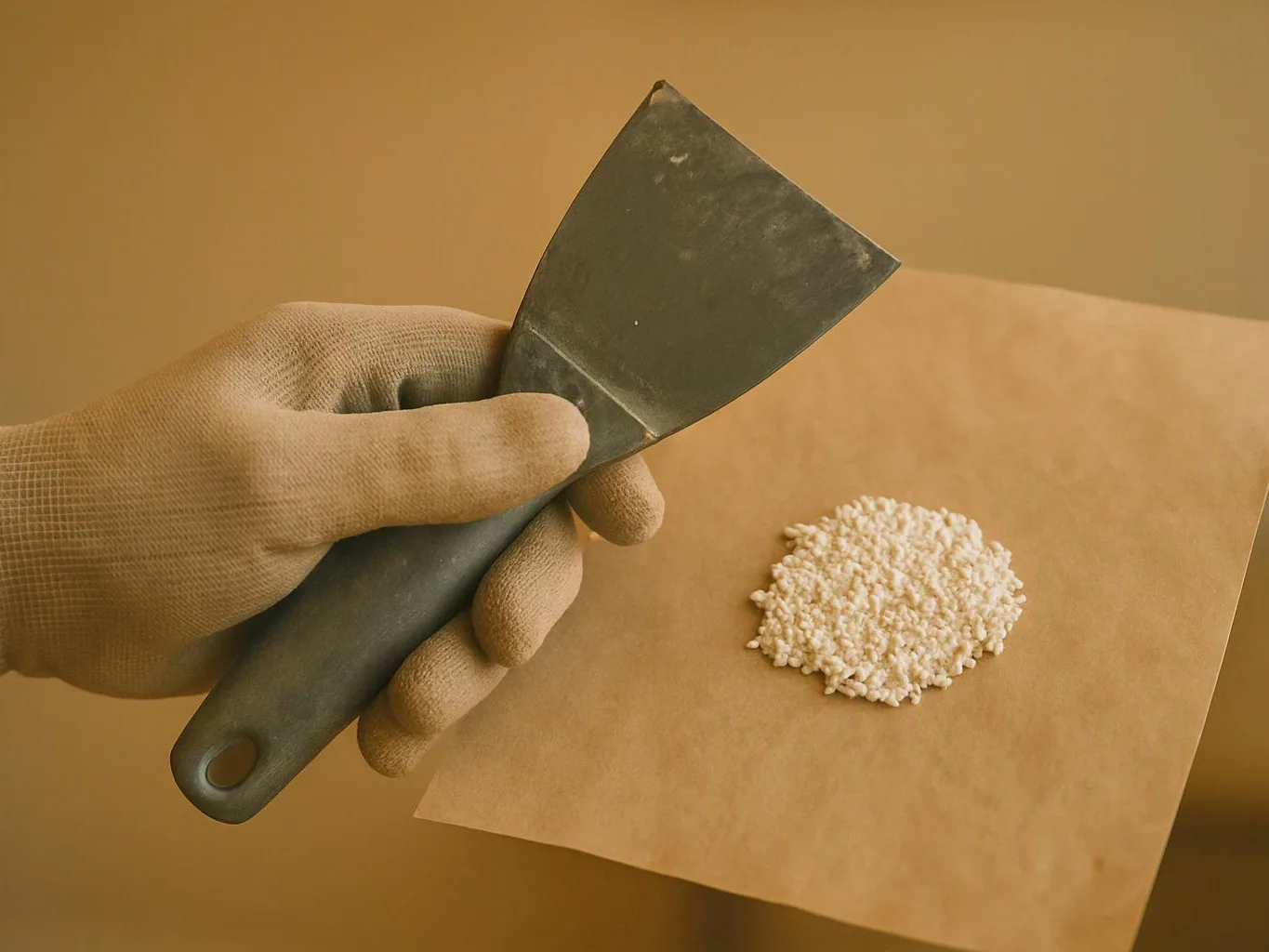
Choosing Exterior Paint for Siding, Trim, and Other Surfaces
Exterior paint should match the surface, exposure, and desired finish. PainterSammamishwa.com helps select coatings and prepare siding, trim, brick, and other exterior surfaces for lasting results.
Get a Free Estimate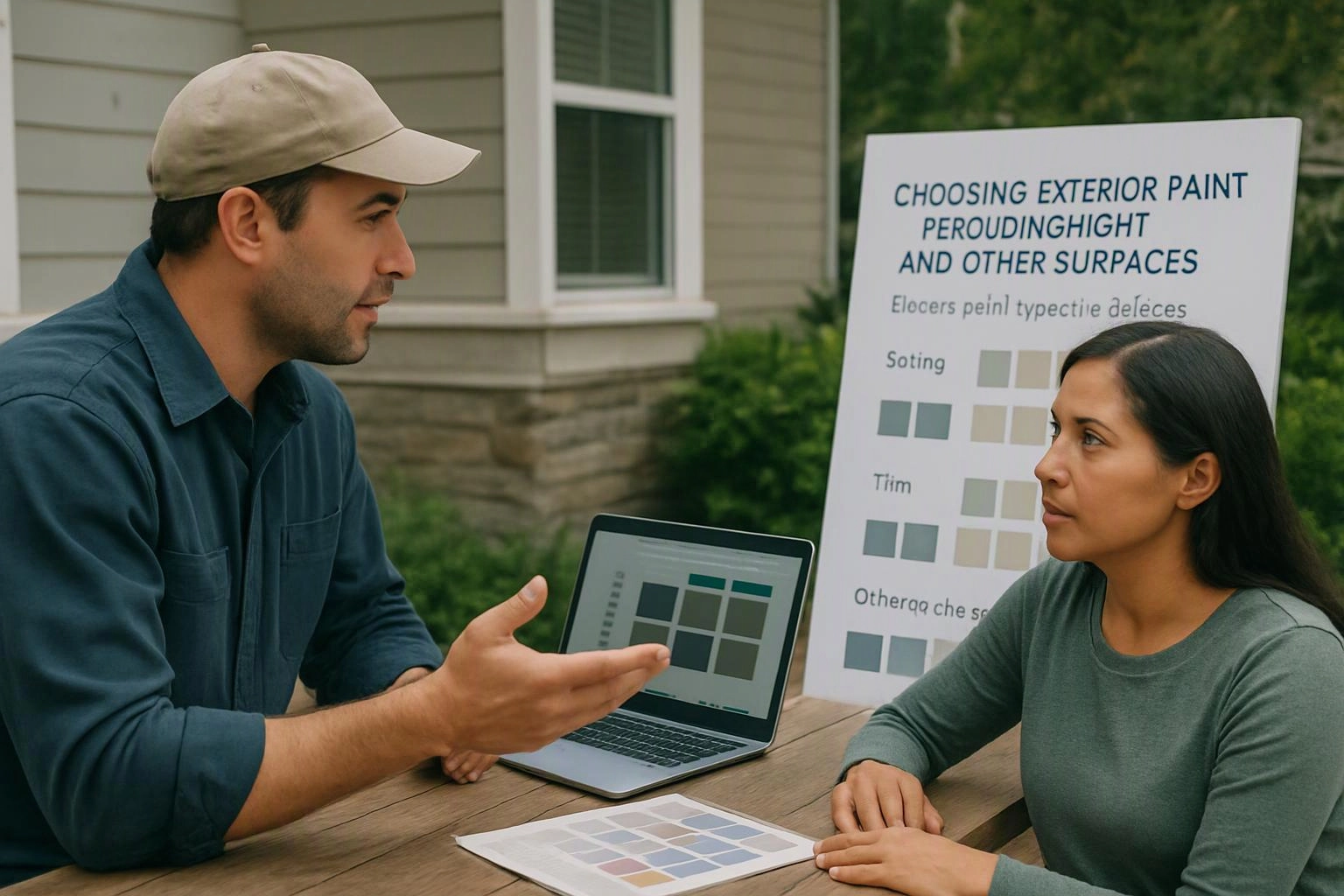
Which Exterior Paint Fits Each Surface?
The right exterior paint depends on the surface material, its condition, and the finish it needs. PainterSammamishwa.com reviews those factors before choosing a coating system.
| Surface or need | Homeowners | Landlords and other customers |
|---|---|---|
| Exterior siding | A flexible coating that suits the siding material and color plan. | A durable finish that supports property upkeep and consistent appearance. |
| Exterior trim | A clean, durable finish for fascia, soffits, windows, and doors. | A practical coating that handles contact and repeated maintenance. |
| Brick and masonry | A coating that bonds to porous surfaces and manages moisture. | A suitable masonry finish that supports a uniform property appearance. |
| Wood and rough-sawn plywood | Primer and paint that follow texture and handle moisture movement. | A coating plan based on condition, repairs, and future upkeep. |
| Metal surfaces | A system that addresses adhesion and possible corrosion. | A protective finish matched to exposure and surface condition. |
Homeowners often focus on color, while landlords may focus on durability and upkeep. We account for both goals when we build the coating plan.
Why Surface-Specific Paint Choices Matter
Paint adhesion depends on a clean, sound surface and the right primer. Siding, wood, brick, and metal each react differently to moisture and weather exposure.
Sun exposure can fade color and weaken some coatings. We review ultraviolet exposure, moisture exposure, and surface condition before selecting paint.
Paint flexibility matters on materials that expand and contract. Our crew handles surface preparation so the coating can bond and move with the building.
Why Homeowners Paint Exterior Surfaces
Exterior painting helps homeowners maintain the appearance and condition of their property. We match the work to the building’s weather exposure and maintenance needs.
What Features Matter in Exterior Paint?
Exterior paint features should support adhesion, weather resistance, and the surface’s movement. We compare the coating’s purpose with the material before application.
What Challenges Affect Exterior Paint by Surface?
Exterior surfaces can fail for different reasons, so the repair plan must match the problem. We identify the cause before covering damaged areas.
How to Choose Paint for Exterior Siding
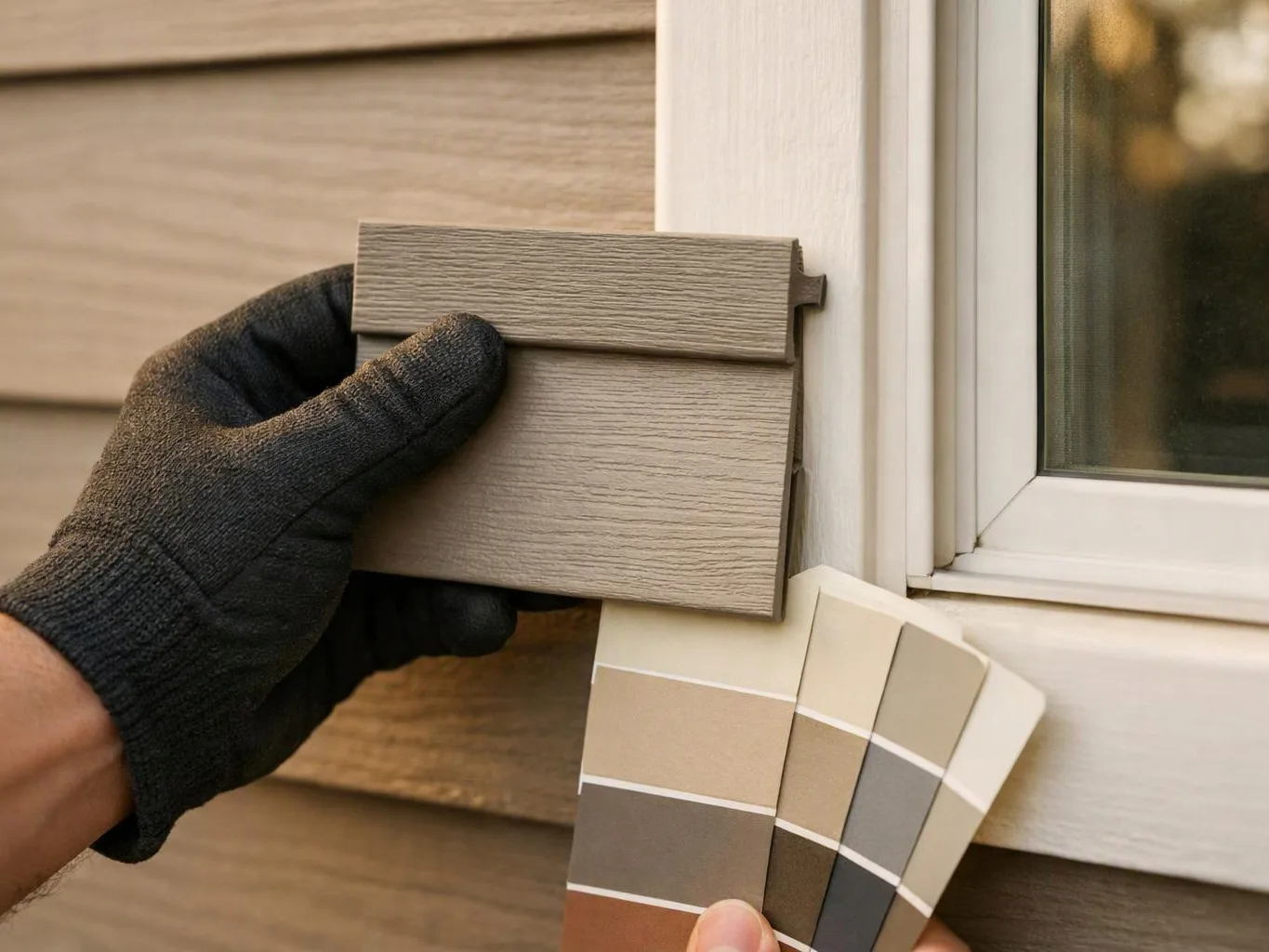
Exterior siding usually needs a flexible coating that bonds well and suits the siding material. We inspect the siding before choosing acrylic exterior paint or another suitable system.
Vinyl siding needs a coating that handles movement and supports the selected color. Fiber cement siding often needs careful cleaning and sound adhesion. Wood siding and engineered wood siding need attention to moisture movement, exposed edges, and existing paint.
Our Exterior House Painting process includes siding preparation before the topcoat. We clean the surface, address failing areas, and use primer where the coating system calls for it.
What Paint Is Best for Rough-Sawn Exterior Plywood Siding?
Rough-sawn exterior plywood siding needs thorough cleaning and a flexible exterior coating that follows its textured surface. We use wood primer when the surface and selected system require it.
Wood texture can hold dirt and expose more coating surface to weather. Our crew checks edges, joints, and damaged areas before applying acrylic paint. The coating must also allow for normal moisture movement without cracking or losing adhesion.
How to Choose Paint for Exterior Trim
Exterior trim needs a durable coating that handles frequent contact, detailed edges, and water exposure. We review fascia, soffits, window trim, and door trim as separate parts of the exterior.
High-sheen paint can make trim easier to clean, but it can also show surface flaws. We prepare the material and select a trim primer when needed. Satin sheen or semi-gloss sheen may suit different appearance and maintenance goals.
How to Choose Paint for Brick and Masonry
Brick paint must bond to porous masonry while allowing the surface to manage moisture. We inspect the brick, masonry, and mortar joints before selecting a breathable coating.
Brick primer may help create consistent adhesion when the surface condition calls for it. Efflorescence can signal moisture moving through masonry, so our team addresses the surface condition before brick painting. The coating must support moisture control instead of trapping problems beneath the finish.
Can Interior Paint Be Used Outside?
No, interior paint isn't designed for outdoor moisture, sunlight, and temperature changes. Exterior paint is made to handle ultraviolet exposure, weather exposure, and repeated moisture.
Interior paint can lose adhesion, fade, or crack when used outside. We select an exterior coating that matches the surface and the conditions it faces.
How We Match Paint to the Surface
Our exterior painting process checks the complete coating system before work begins. Each step helps protect paint adhesion and the final appearance.
Free Estimates Available. Our estimate explains the planned preparation, materials, access needs, and coating system.
What Affects the Cost of Painting Different Surfaces?
The cost of painting different surfaces depends on material, preparation, access, repairs, and the coating system selected. We review these details before preparing an exact estimate.
Surface area, paint removal, surface condition, primer needs, and the number of colors can change the work involved. Paint type also matters because siding, trim, brick, wood, and metal may need different products.
Our estimate explains what preparation and repairs are included. You can request an exact quote through our contact page.
Choose the Right Exterior Paint System
A complete paint system combines surface preparation, primer, and topcoat for the material and exposure. We use that approach for exterior house painting, siding painting, trim, wood, brick painting, and metal surfaces.
PainterSammamishwa.com checks the surface before recommending an exterior coating. Our crew can explain the preparation plan, finish choice, and maintenance needs in clear terms.
Good results begin with the right match between material and coating. Contact us to discuss your exterior paint project and request an exact estimate.
Contact PainterSammamishwa.com about your exterior painting project
Questions About Choosing Exterior Paint
Is acrylic paint good for exterior siding?
Acrylic paint can be good for exterior siding when it matches the siding material and surface condition. PainterSammamishwa.com checks adhesion, flexibility, exposure, and preparation needs before selecting the coating.
Do I need primer before painting exterior wood?
Exterior wood may need primer when the surface is exposed, uneven, porous, or difficult to bond. We inspect the wood and select primer based on the complete coating system.
What sheen is best for exterior trim?
Satin sheen or semi-gloss sheen can suit exterior trim, depending on the desired look, cleaning needs, and surface condition. We help match the sheen to the trim and the rest of the exterior.
Can you paint vinyl siding a darker color?
Vinyl siding can be painted a darker color when the selected coating and color suit the siding and its exposure. We review the siding condition, color plan, and product requirements before painting.
Should brick be primed before painting?
Brick should be primed when its porosity, surface condition, or selected coating system calls for it. We check the brick, mortar joints, and possible efflorescence before choosing the preparation steps.