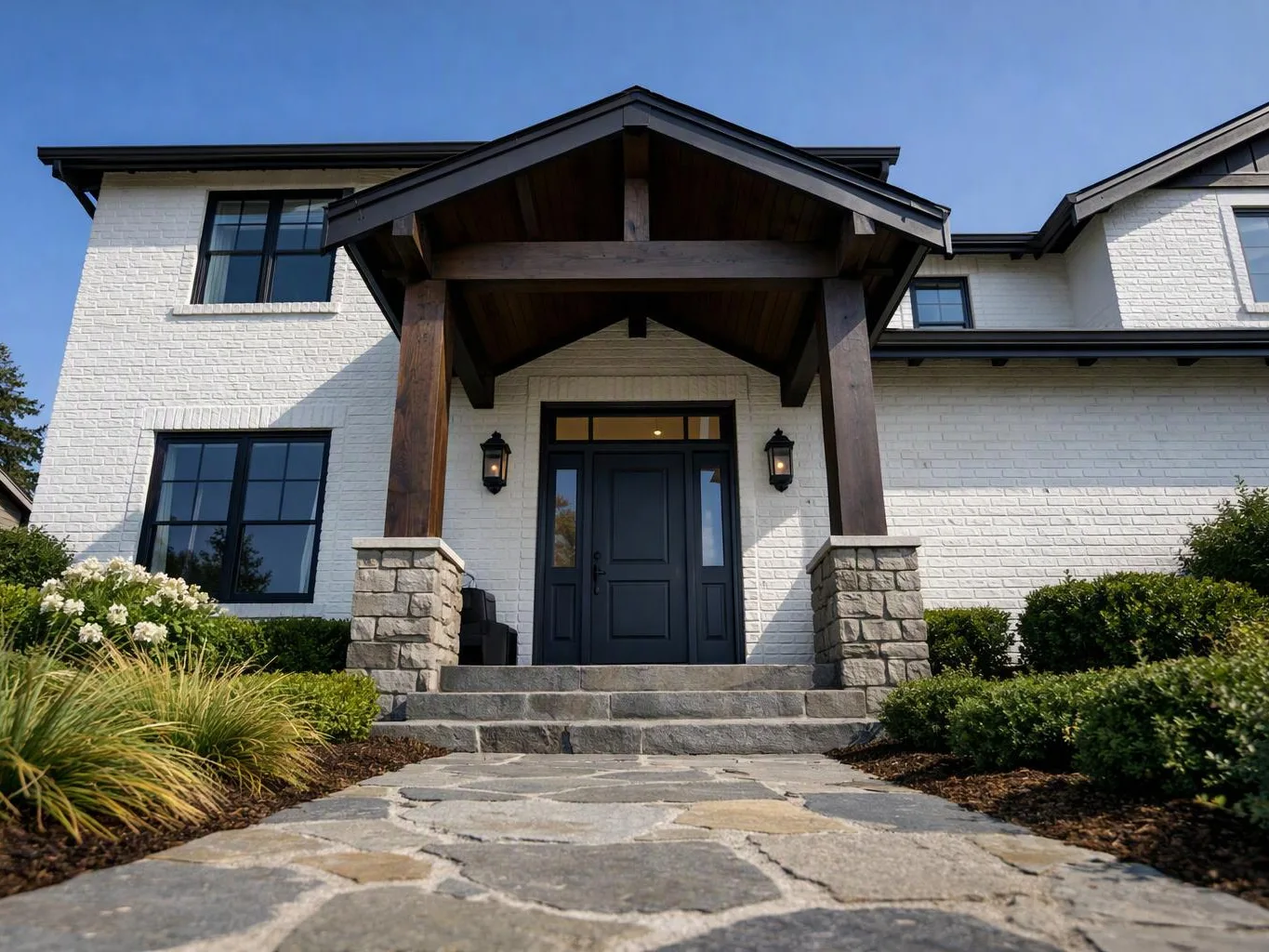
What Professional Paint Preparation Involves
Paint preparation checks the surface, cleans it, repairs damage, sands rough areas, and applies primer when needed. PainterSammamishwa.com uses these steps to create a sound base for interior and exterior paint.
Get a Free EstimateWhy Paint Preparation Matters Before Painting
Paint preparation gives new coating a clean, stable surface that supports better adhesion and a more even finish.
Paint adhesion depends on the condition of the surface beneath the coating. Dust, grease, moisture, and loose material can keep paint from bonding well.
Our team checks the existing finish before painting. We address peeling paint and surface damage so the new paint finish looks smooth and stays stable.
For interior projects, our preparation supports dependable Interior House Painting results across walls, ceilings, trim, and other prepared areas.
Why Homeowners Need Thorough Surface Preparation
Homeowners need thorough surface preparation because paint must cover a sound base. We adjust the work to the condition of each room or exterior area.
Our crew prepares each substrate according to its needs. That approach helps the final coating look consistent across the home.
What We Check Before Preparing a Painted Surface
We check the existing coating and substrate for damage, moisture, dirt, loose paint, and conditions that could affect the new finish.
Our surface inspection identifies whether the area is drywall, plaster, wood, or masonry. We also look for moisture damage, surface contamination, and weak areas.
Existing paint may be sound, glossy, chalky, cracked, or peeling. Each condition calls for a different preparation response.
We use these findings to set the wall preparation scope. The plan may include cleaning, scraping, patching, sanding, caulking, and primer.
How the Painting Surface Preparation Process Works
The painting surface preparation process follows the condition of the surface, not a fixed routine. Our team completes the steps needed for a stable paint finish.
We review the prepared area before painting begins. This keeps surface repairs and coating choices connected to the final result.
Cleaning and Removing Loose Paint
Cleaning and paint scraping remove dust, grease, mildew, and peeling paint before new coating is applied.
Our crew removes loose material until the remaining coating is stable. We then clean the area so contamination doesn't interfere with paint adhesion.
Peeling paint can point to moisture, poor adhesion, or a weak earlier coating. We identify the condition and prepare the surface for repair before painting.
Repairing Cracks, Holes, and Uneven Areas
Surface repairs correct cracks, nail holes, drywall damage, and uneven areas before the finish coat.
We select joint compound, spackle, drywall compound, or caulk based on the repair. Each material serves a different purpose and must dry before further preparation.
Our team feathers repaired areas into the surrounding surface. This reduces visible edges and helps create a smoother paint finish.
Sanding and Priming for a Consistent Finish
Yes, walls often need sanding when the surface is rough, glossy, patched, or covered with loose paint.
Sanding creates a more suitable surface profile for the next coating. We remove sanding dust before choosing whether primer is needed.
Primer can support stain blocking, color coverage, and paint adhesion. We use it on bare or porous surfaces, repairs, and areas where the existing coating needs added support.
How Preparation Needs Differ by Surface and Customer
Preparation needs differ because interior walls, exterior siding, drywall, and trim face different conditions. We also adjust the process for homeowners and property managers.
| Preparation need | Homeowners | Property managers |
|---|---|---|
| Interior walls | Repairs may focus on dents, nail holes, and room wear. | Preparation may need to follow a consistent property standard. |
| Exterior siding | The surface may need cleaning, scraping, and repair before coating. | The scope may cover several elevations or buildings. |
| Drywall | Seams, patches, and fastener marks may need careful blending. | Repeated repairs may require a clear preparation plan. |
| Trim and wood | Glossy or worn areas may need sanding and spot priming. | Consistent preparation helps maintain a uniform appearance. |
Our team connects the surface condition with the customer's goals. That keeps the preparation practical and supports the selected coating.
Preparation Features That Matter to Homeowners
Homeowners benefit from preparation that protects the property and supports a consistent finish. We explain the work before painting starts.
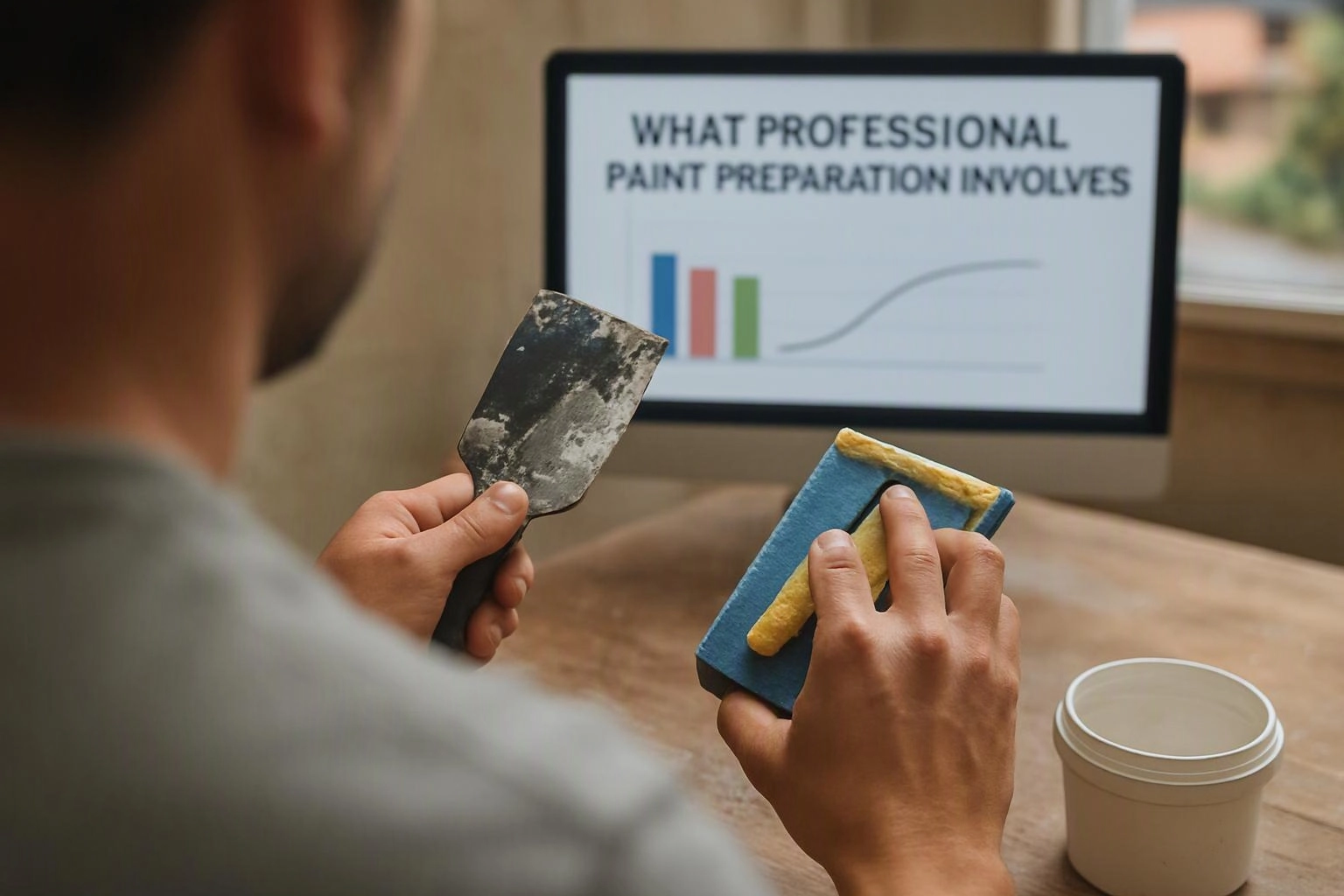
We keep preparation tied to the final appearance. Our crew also protects adjacent areas while completing the work.
Common Surface Preparation Challenges
Common preparation challenges can affect paint adhesion and paint coverage. We identify these conditions before applying new coating.
Our team changes the preparation plan when these problems appear. We don't treat every wall or siding surface the same way.
What Happens If You Paint Over Peeling Paint?
Painting over peeling paint leaves an unstable layer that can continue lifting and spoil the new finish.
Peeling paint can cause paint failure because the new coating bonds to a loose layer. The failure may spread as the weak coating separates.
We remove loose coating, repair the surface, and prepare the area for new paint adhesion. This creates a stronger base for the selected finish.
When Primer Is Needed Before Painting
Primer is needed when the surface is porous, stained, patched, bare, or likely to cause uneven paint coverage.
Primer helps prepare bare drywall, bare wood, and other porous surfaces for the finish coat. It can also support stain blocking and a major color change.
Our team selects primer based on the substrate and the condition of the existing coating. We apply it where it improves coverage and paint adhesion.
How We Confirm the Surface Is Ready for Paint
We confirm that repairs are dry, loose material is removed, dust is cleared, and the surface can support the selected coating.
Our surface readiness check looks for dry repairs, smooth texture, and complete dust removal. We also review primer coverage where primer was used.
For interior house painting, we check the prepared walls under suitable light. Our crew addresses remaining flaws before applying the finish coat.
What Your Paint Preparation Estimate Covers
PainterSammamishwa.com reviews the preparation needs, explains the work included, and provides Free Estimates Available.
The estimate considers surface condition, repair needs, primer needs, and the full paint preparation scope. We explain which preparation steps apply to each area.
Our team can also discuss how the selected paint and finish relate to the prepared surface. This helps you understand what the work includes before painting begins.
Questions About Paint Preparation
Can you paint over old paint?
PainterSammamishwa.com can paint over old paint when the existing coating is sound, clean, and properly prepared. We remove loose paint, address surface damage, and sand or prime areas that need added support.
What should be repaired before painting walls?
Wall repairs should address cracks, holes, dents, damaged drywall, loose paint, and gaps that need caulk. We repair and blend these areas before applying the finish coat.
Does primer hide wall imperfections?
Primer can improve coverage and seal prepared areas, but primer doesn't replace surface repairs. We patch, smooth, and sand imperfections before using primer where it fits.
How should walls be prepared after drywall installation?
Walls after drywall installation should have seams, fastener marks, joints, and surface dust addressed before painting. We use suitable drywall compound, sand the repairs, remove dust, and prime the bare surface when needed.
Can paint preparation fix uneven drywall texture?
Paint preparation can improve uneven drywall texture when the condition can be repaired, blended, or smoothed. We assess the texture first and explain the preparation needed for the selected finish.
PainterSammamishwa.com reviews your surfaces, explains the preparation scope, and provides Free Estimates Available.
Request a Paint Preparation EstimateRelated Resources
Adding Wallpaper or Popcorn Ceiling Removal to a Painting Project
What It SolvesWhy Interior Paint Bubbles, Peels, or Cracks — and What to Do Before Repainting
What It SolvesWhat Exterior Peeling Paint May Be Telling You
What It SolvesBefore Removing a Popcorn Ceiling: What to Check and Prepare