Why Deck Stain Peels and How to Decide What the Surface Needs
Peeling deck stain happens when moisture enters the wood or the coating cannot bond to the surface. PainterSammamishwa.com checks the wood, old finish, moisture exposure, and coating condition before recommending cleaning, stripping, staining, or painting.
Get a Free EstimateWhat Does Peeling Deck Stain Look Like?
Peeling deck stain shows up as visible changes in the finish and exposed wood. These signs help us see whether the deck needs light cleaning or deeper surface preparation.
Look across the deck boards, railings, stairs, and coating edges. Similar symptoms can have different causes, so our team checks the full surface.
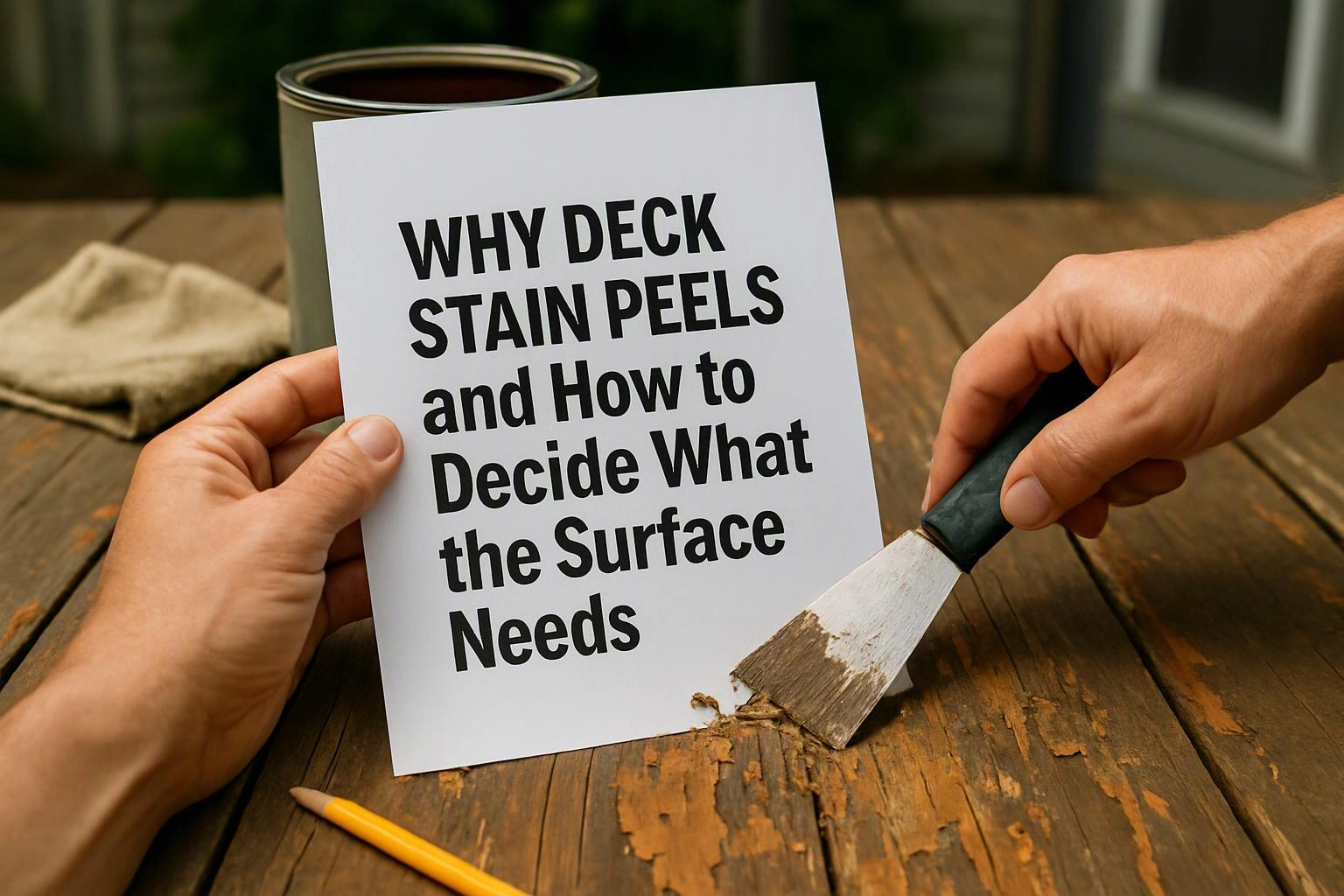
Why Is My Deck Stain Peeling?
Peeling deck stain usually comes from trapped moisture, weak adhesion, excess coating, or a surface that wasn't prepared properly.
Rain and sun exposure can speed up deck stain failure when the finish has already lost its bond. We identify the cause before choosing a repair method.
What Does the Deck Surface Need Before New Coating?
A deck needs sound, clean, dry, and well-adhered wood before new stain or paint can bond properly.
Our team checks the deck wood for soft areas, wood rot, mildew, cracks, and moisture signs. We also check whether old stain remains firmly attached or has become a loose coating.
Sound wood can support new coating after cleaning and suitable preparation. Damaged wood may need further attention before deck staining or deck painting can begin.
The surface must also be clean and dry. Dirt, mildew, old stain, and moisture can all reduce coating adhesion, even when the deck looks ready from a distance.
Should You Clean, Strip, or Sand the Deck?
The right preparation depends on how much coating remains, how firmly it is attached, and whether the wood is sound.
We match the method to the deck surface so preparation removes failure without creating unnecessary damage. The comparison below shows how each method fits different conditions.
| Preparation method | Best fit | What we check |
|---|---|---|
| Deck cleaning | Surface dirt, mildew, and light residue | Whether the existing coating remains stable |
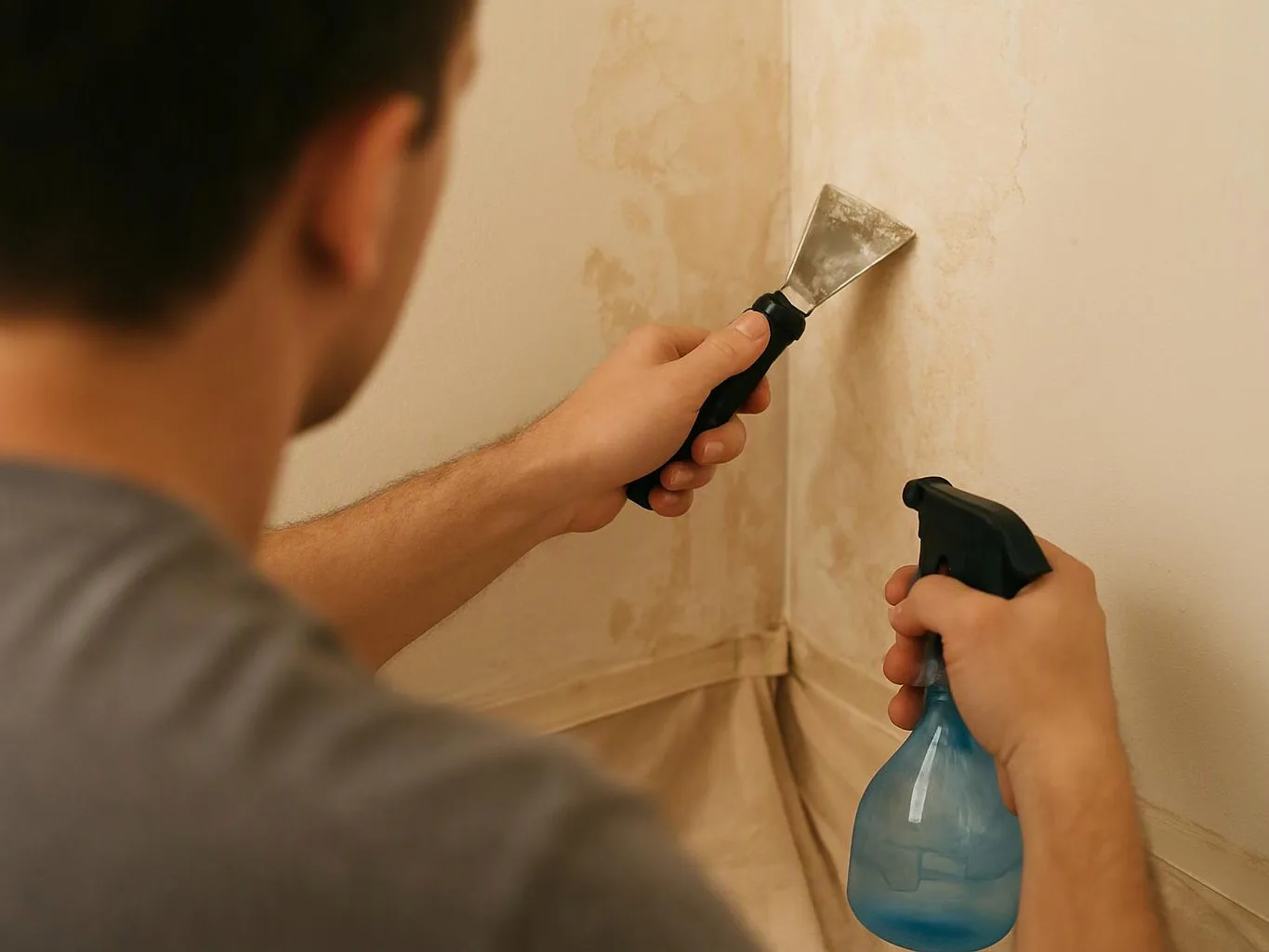
| Scraping | Loose edges and flaking coating | How much finish lifts from the wood |
| Stain stripping | Heavy or failed old stain | Whether the old finish blocks a new coating |
| Paint stripping | Deck paint that needs careful removal | Coating layers, wood condition, and safe handling needs |
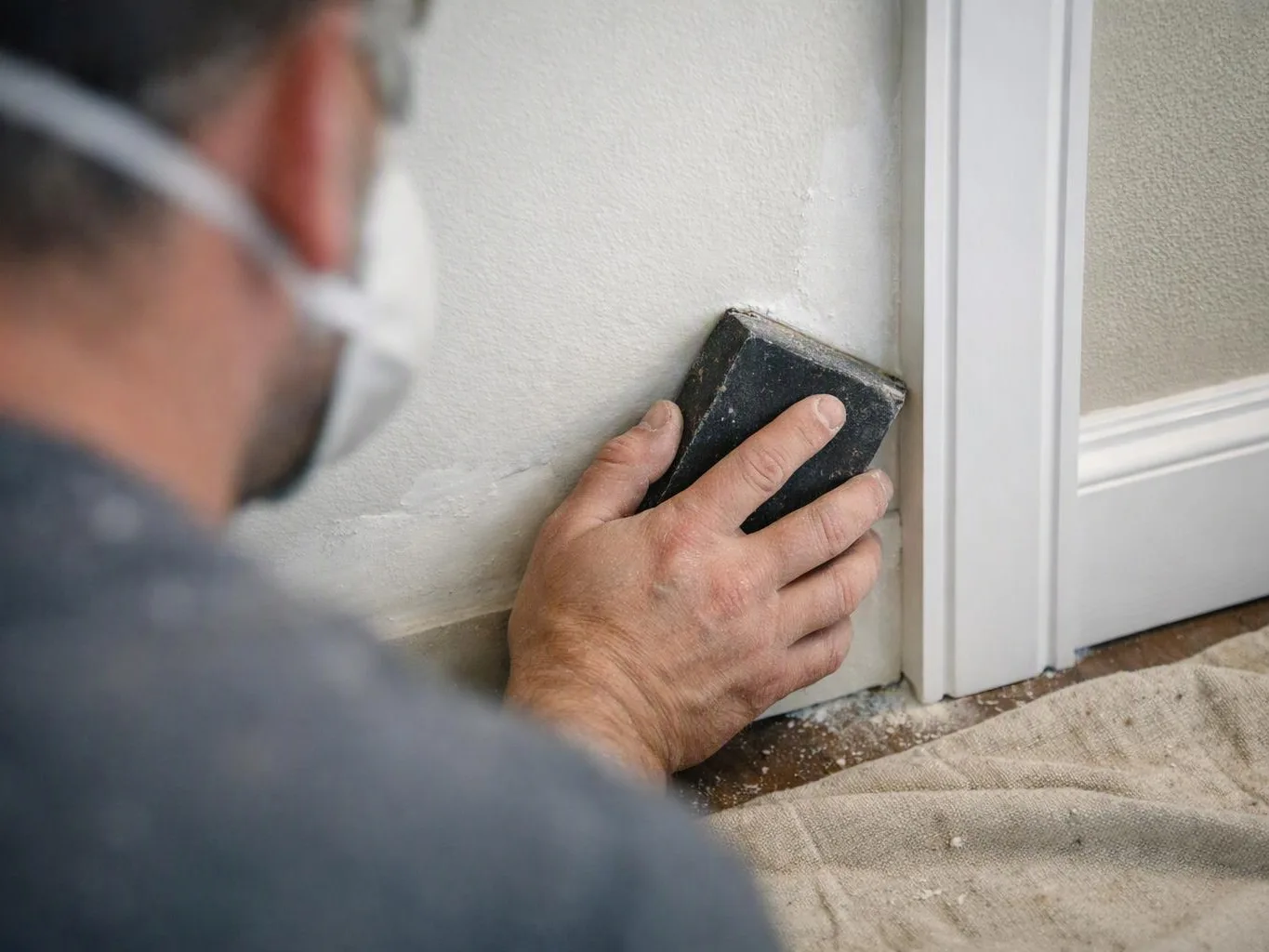
| Sanding | Remaining roughness and uneven coating edges | Whether sanding can create a clean, even surface |
Cleaning may be enough when the finish is stable and the wood is sound. Stripping, scraping, and sanding may be needed when old stain or paint has failed across the surface.
Can You Stain Over Peeling Deck Stain?
No, new stain shouldn't cover loose or peeling old stain because the new coating can fail with the weak layer underneath.
Restaining a deck requires a stable surface with sound coating or exposed bare wood. Our crew removes loose finish and prepares the remaining surface before choosing a compatible product.
Stain can sometimes go over an older finish when that finish is firmly attached and properly prepared. We still check coating adhesion, surface cleanliness, and the condition of the wood before proceeding.
How Do We Check Whether a Deck Is Ready for Stain?
We check the deck for sound wood, a stable surface, clean grain, and conditions that support proper coating adhesion.
Our inspection follows the condition of the wood from the boards to the railings and stairs. Each finding shapes the preparation plan.
Which Finish Fits the Deck: Stain or Paint?
Stain suits owners who want visible wood grain, while paint provides a more solid and uniform surface color.
Transparent stain shows much of the natural grain and gives the wood a lighter visual change. Solid stain provides more coverage while still keeping some wood texture visible.
Deck paint gives the strongest coverage and can create a consistent color across prepared boards. We check the old finish and the condition of the wood before recommending deck staining or deck painting.
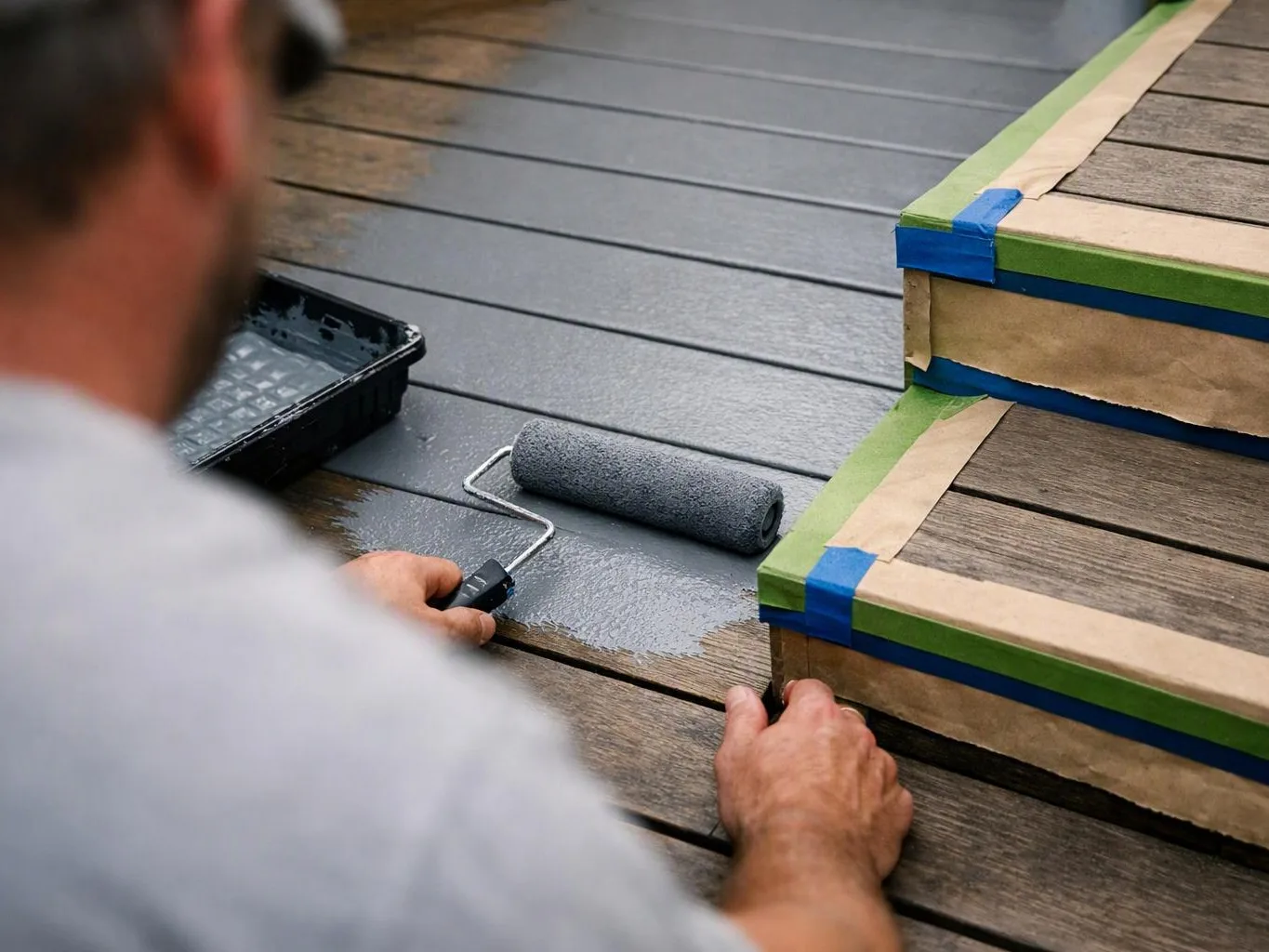
Our Deck Staining work starts with surface preparation, because the finish choice cannot correct loose coating or damaged wood underneath.
What Helps Prevent Deck Stain From Peeling Again?
Proper preparation and moisture control give a new deck finish a stronger chance to stay attached.
We focus on the causes of the old failure, not just the visible peeling. These practices help protect the coating after the work is complete.
When Should Peeling Deck Stain Be Professionally Prepared?
PainterSammamishwa.com should assess extensive peeling, difficult access, damaged wood, or old paint that needs careful removal.
Extensive peeling can require coordinated scraping, sanding, stripping, and cleaning across the full deck. Our crew also checks wood damage before applying a new finish.
Ladder access, stairs, railings, and elevated areas can make preparation harder to control safely. We handle the access and surface work as part of the preparation plan.
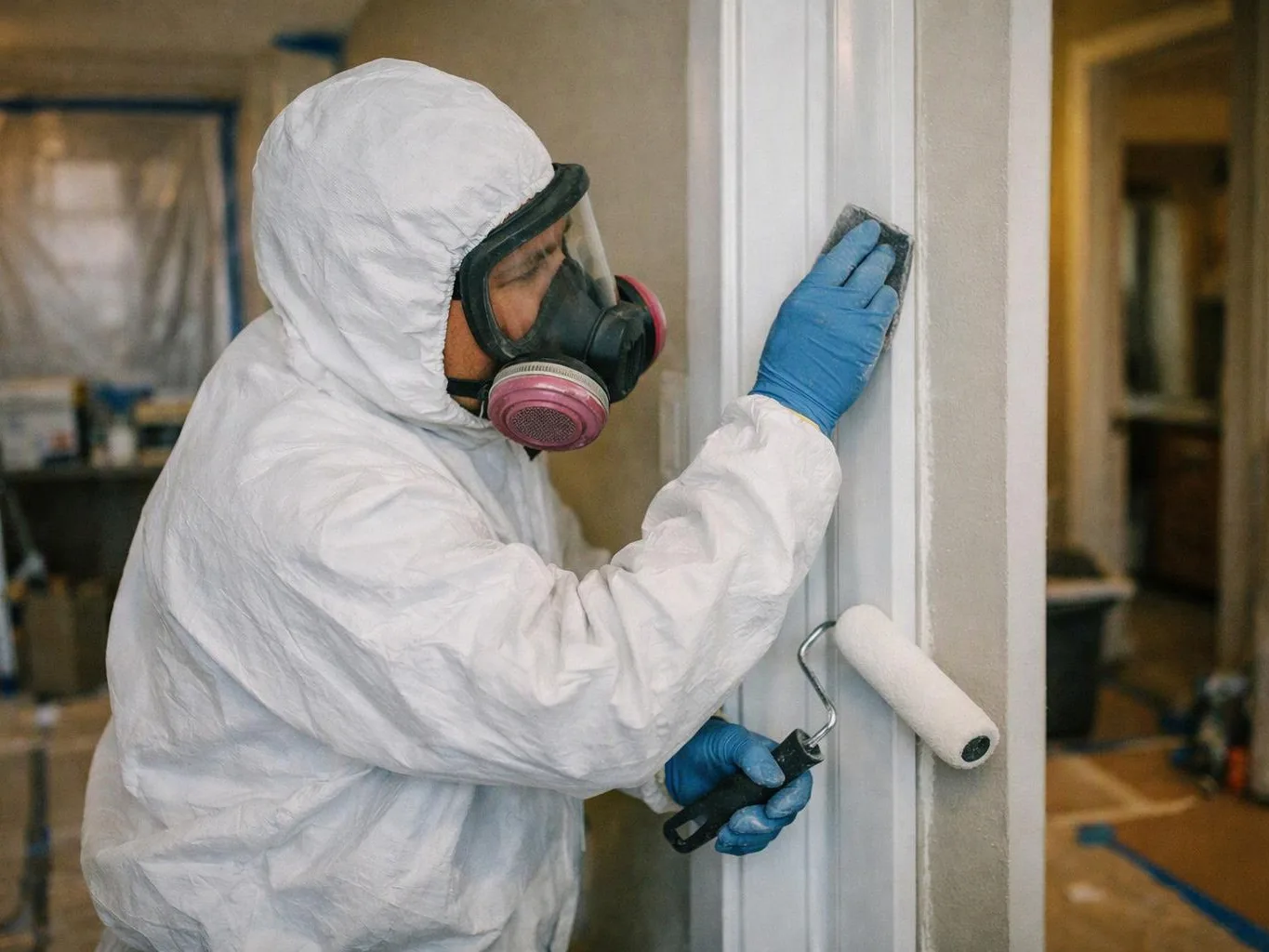
Old paint may require a paint stripping service and lead-safe planning when its age or condition raises concern. We explain the needed preparation before deck staining or deck painting begins.
How We Plan the Right Deck Finish
We plan the finish by matching the deck's condition with the preparation and coating it can support.
PainterSammamishwa.com reviews the surface first, then explains the work included in the project quote. The plan can change when inspection reveals hidden coating failure or wood damage.
Free Estimates Available. To discuss your deck surface and request an estimate, contact PainterSammamishwa.com.