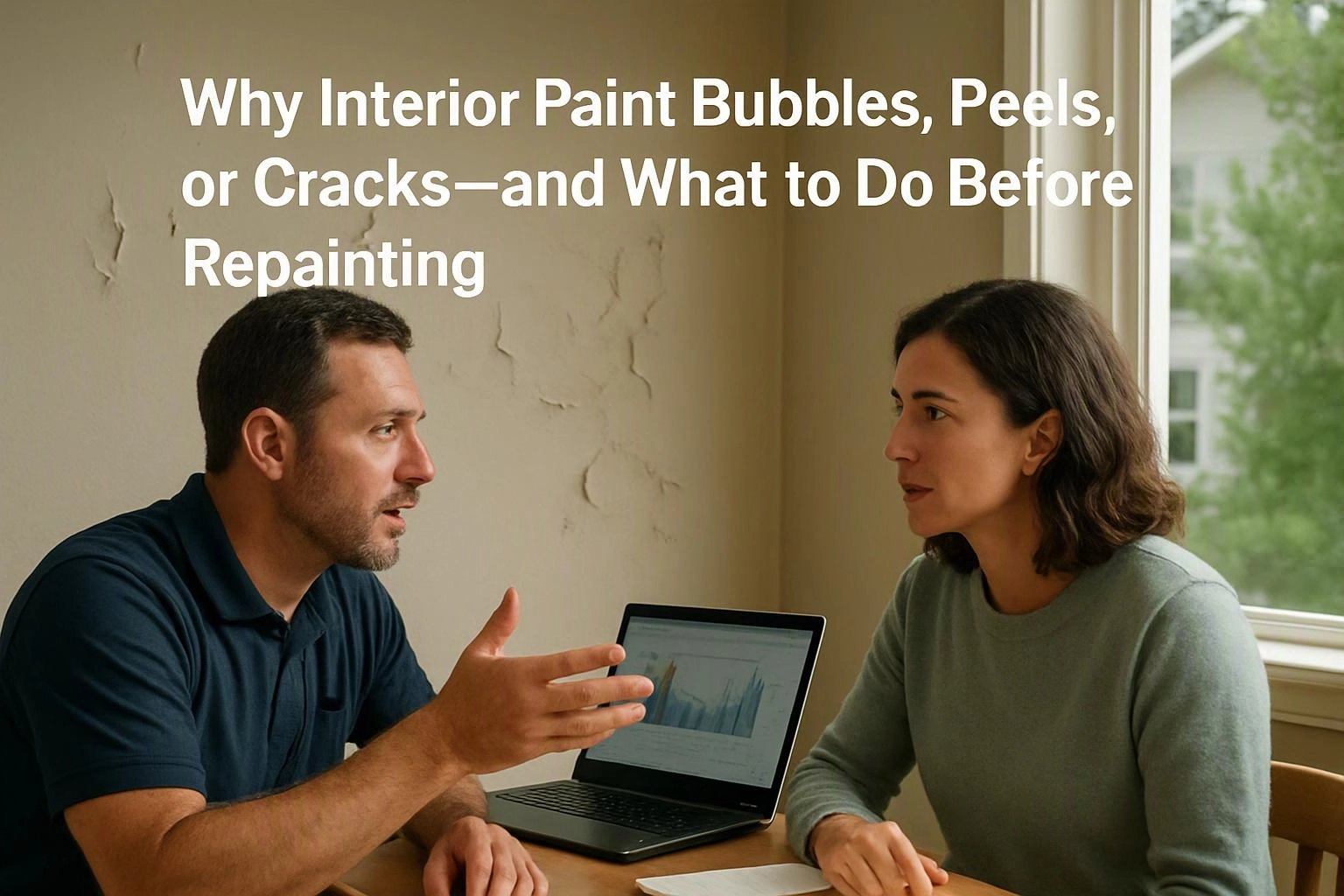
Why Interior Paint Bubbles, Peels, or Cracks — and What to Do Before Repainting
Interior paint bubbles, peels, or cracks when moisture, weak adhesion, movement, or poor preparation breaks the bond between the coating and wall. PainterSammamishwa.com checks the surface, removes unstable paint, fixes the cause, and prepares the wall before repainting. Free Estimates Available.
Get a Free EstimateWhat Do Bubbling, Peeling, and Cracking Paint Mean?
Interior paint bubbles, peels, or cracks when the paint film loses adhesion or can't handle movement and moisture.
Paint adhesion is the bond between the coating and the wall surface. When that bond fails, the film may lift, split, flake, or separate in layers.
We inspect the damaged area to see whether the failure affects the finish coat, primer layer, drywall face, or plaster surface.
What Signs Show That Interior Paint Needs Attention?
Visible coating changes show that the wall needs inspection before repainting begins. We look for the pattern, location, and depth of each defect.
How Can You Tell Surface Failure From Moisture Damage?
Moisture damage usually includes stains, dampness, recurring bubbles, or peeling that returns after repainting.
A water stain may point to condensation, a plumbing leak, or a roof leak. Damp walls can also develop a musty smell or mold growth.
Bathroom ventilation matters because trapped humidity can weaken paint over time. We check the affected area and help identify whether moisture control must come before surface preparation.
What Causes Interior Paint to Bubble, Peel, or Crack?
Interior coating failure usually comes from moisture, weak preparation, movement, or incompatible layers. We match the repair plan to the cause we find.
Can You Paint Over Peeling or Bubbling Paint?
No, unstable paint shouldn't be covered with a new coat because repainting over loose or bubbling paint usually traps the problem and leaves an uneven, weak surface.
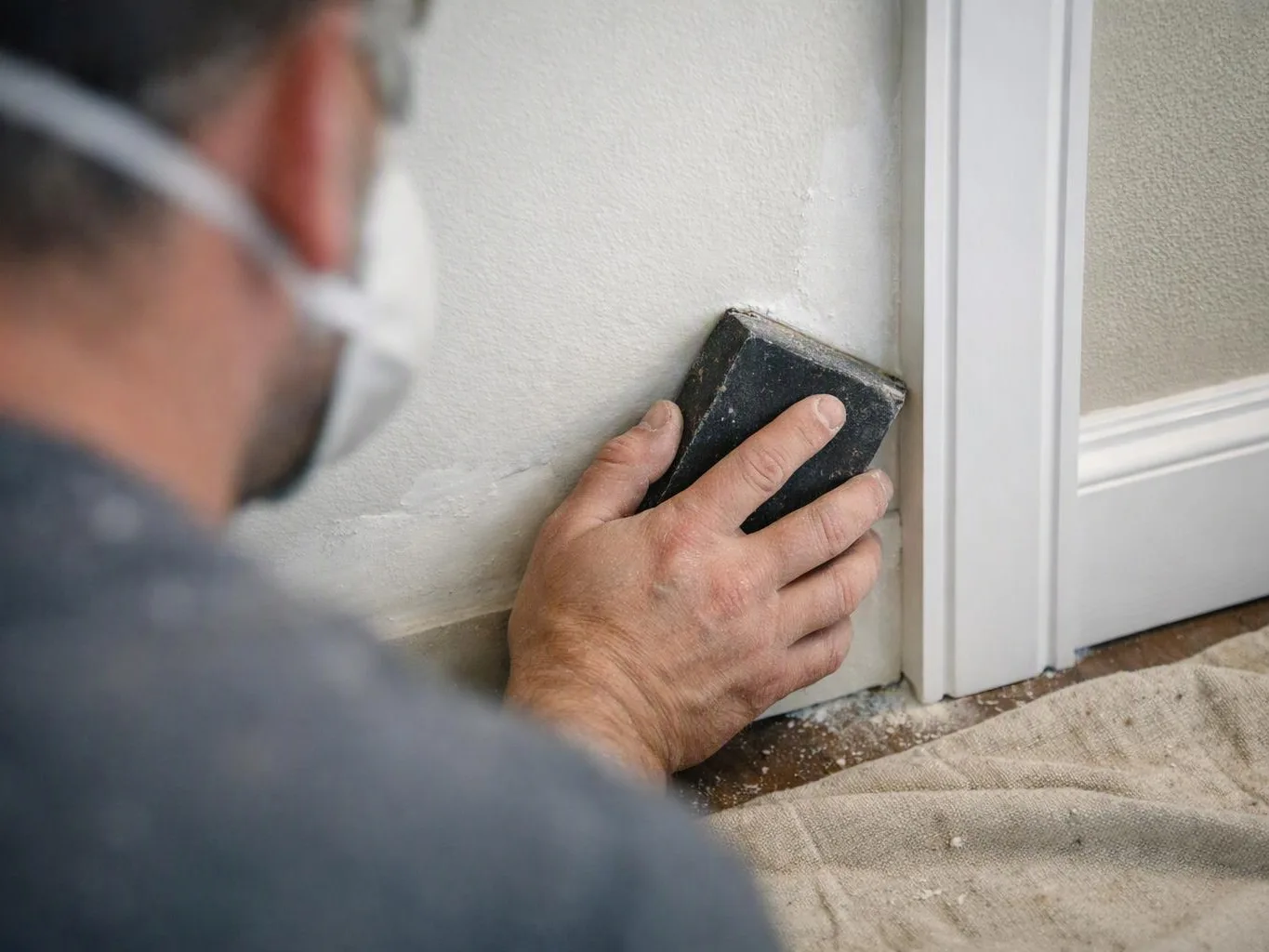
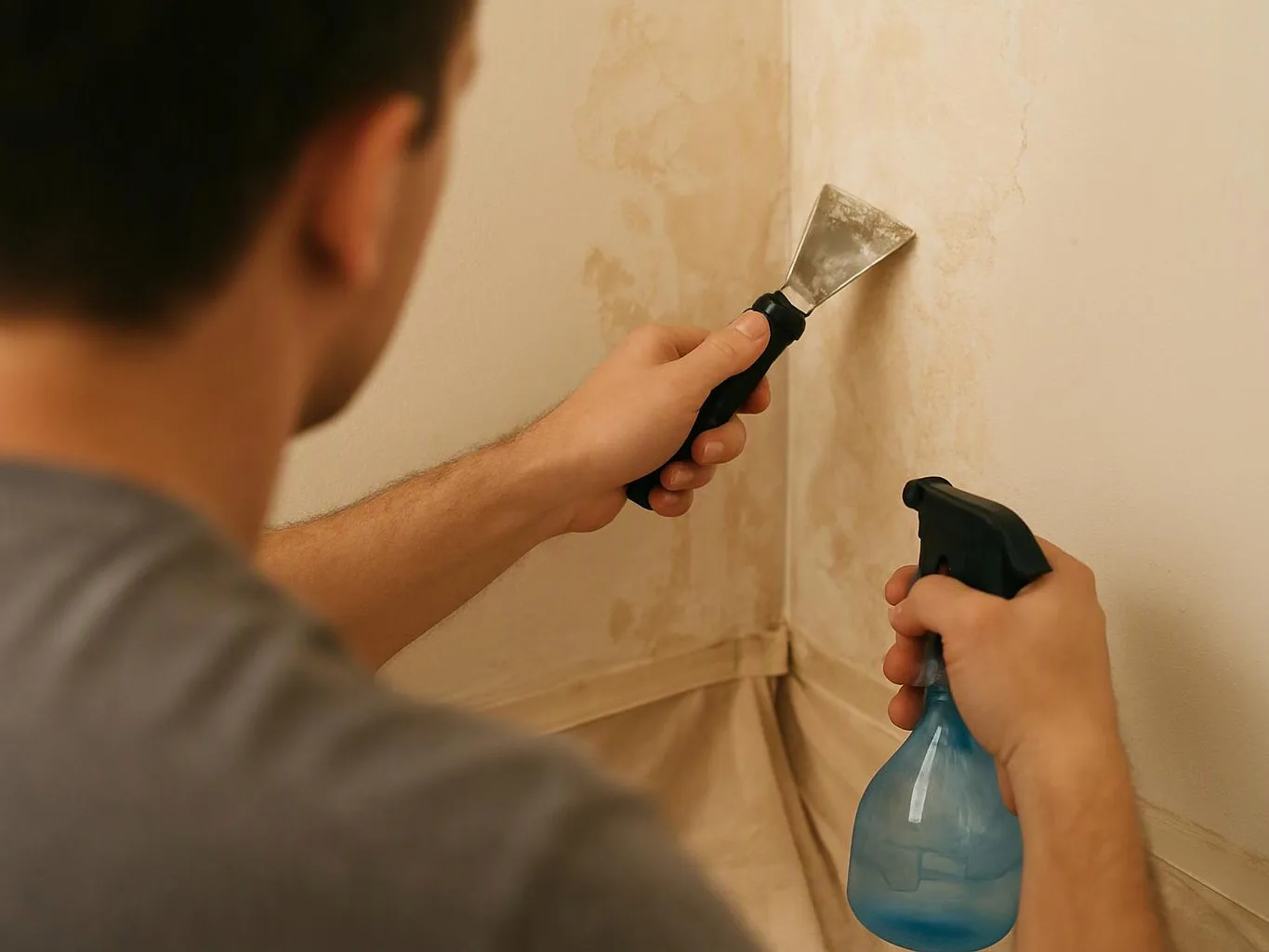
We remove loose paint by scraping and sanding until the remaining edges are sound. We then use patching compound where needed, smooth the repair, and select a primer that supports surface adhesion.
Paint stripping may be needed when several unstable layers are separating. The wall must be clean, dry, and stable before we repaint the wall.
How Should You Prepare a Damaged Wall Before Repainting?
Wall preparation starts with finding the cause and ends with a sound surface for the finish coat. We follow the condition of the wall instead of covering damage that may return.
How Do Bubbling, Peeling, and Cracking Paint Differ?
Paint bubbling, paint peeling, and paint cracking show different types of coating failure. The visible pattern helps us choose the right preparation.
| Condition | Likely cause | Surface condition | Recommended preparation |
|---|---|---|---|
| Paint bubbling | Moisture, heat, or trapped air beneath the coating | Raised pockets or blisters | Find the cause, remove unstable paint, dry the wall, and prime |
| Paint peeling | Loss of adhesion, dirt, moisture, or incompatible layers | Loose strips, flakes, or separated layers | Scrape, sand, feather edges, patch, and prime |
| Paint cracking | Wall movement, thick coatings, drying stress, or age | Hairline, deep, or connected cracks | Assess depth, repair the wall, sand smooth, and use compatible coatings |
What Changes the Repair and Repainting Plan?
The repair plan depends on the damage depth, wall material, affected area, moisture source, and number of unstable paint layers.
Drywall and plaster need different repairs when damage reaches below the paint film. Access conditions, paint finish, and the need for paint stripping also shape the work.
We review these factors before preparing a quote, so the scope covers removal, patching, primer, and repainting where needed.
How PainterSammamishwa.com Handles Interior Paint That Bubbles, Peels, or Cracks
PainterSammamishwa.com inspects the damaged coating, removes unstable paint, prepares the surface, and builds the repainting plan around the wall's condition.
Our team connects this repair with Interior House Painting when the wall needs a complete finish. We use paint stripping, scraping, sanding, patching, and primer selection as the surface requires.
We explain the repair scope and provide Free Estimates Available before the interior house painting work begins.
How Can You Prevent Paint From Bubbling, Peeling, or Cracking Again?
Prevention depends on controlling moisture and giving each coating a clean, stable surface. We prepare the wall so the new paint can bond properly.
Questions About Bubbling, Peeling, and Cracking Paint
Will bubbling paint keep coming back after repainting?
Yes, bubbling paint can return when moisture or poor adhesion remains below the new coating. PainterSammamishwa.com checks the surface, addresses the cause, and prepares the wall before repainting.
Should peeling paint be removed before primer is applied?
Yes, peeling paint should be removed before primer is applied. Loose coating must be scraped, sanded, and patched so the primer bonds to a stable surface.
What should you do when paint cracks around a window or door?
Cracked paint around a window or door should be checked for movement, gaps, moisture, and weak paint edges. We assess the area, remove unstable coating, repair the surface, and apply compatible primer and paint.
PainterSammamishwa.com can review bubbling, peeling, or cracked interior paint and explain the preparation your wall needs. Contact us for an estimate that reflects the surface condition and repainting scope.
Request an interior paint assessment Get a Free Estimate