How to Choose Interior Paint Types and Finishes
Interior paint types suit different surfaces, while finishes control shine, washability, and how walls reflect light. PainterSammamishwa.com helps you match each room and trim surface with the right paint system.
Get a Free EstimateHow Do Interior Paint Types Differ?
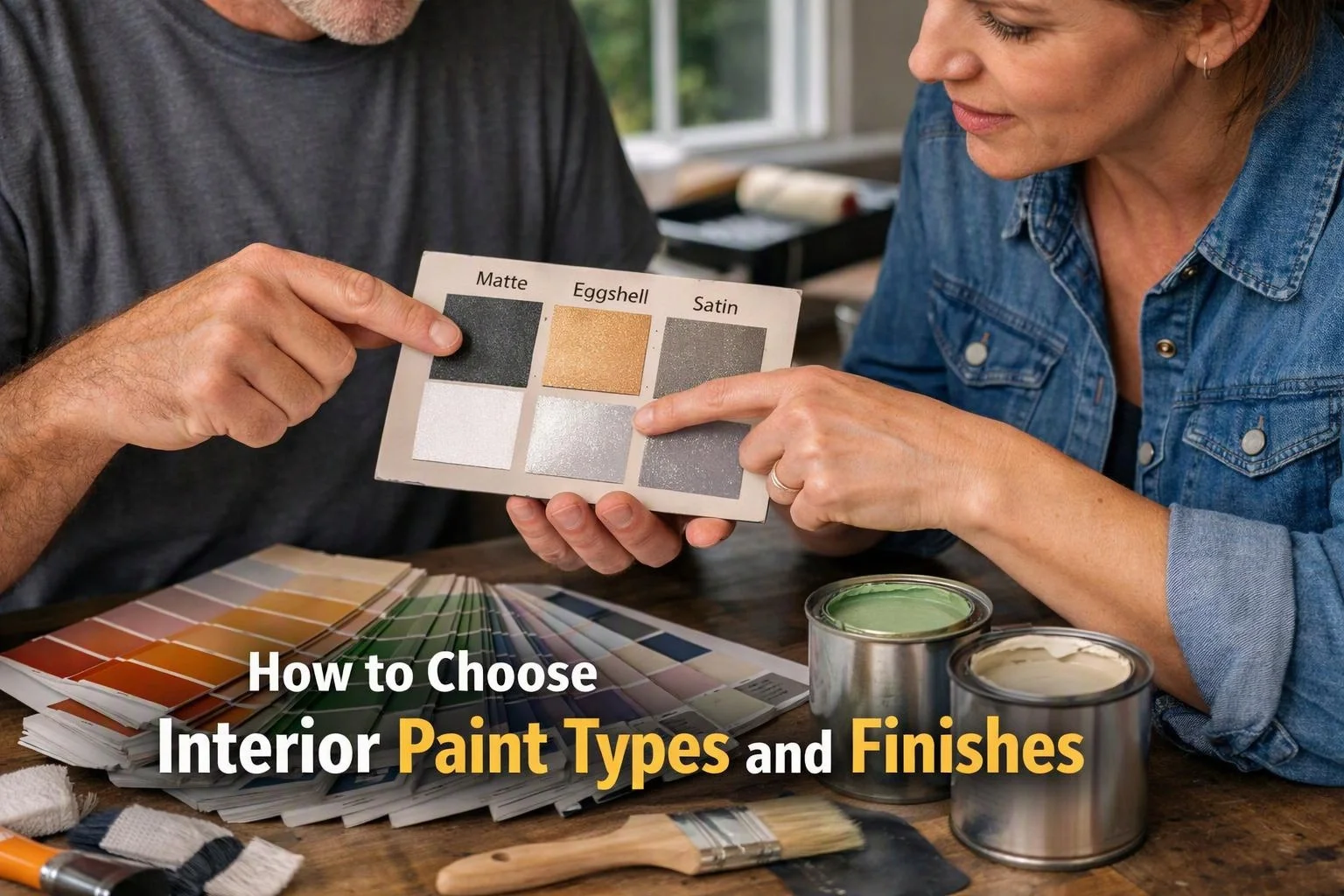
Interior paint types differ by binder, drying behavior, surface use, and cleanup needs.
Water-based paint uses water as its main carrier and usually offers simpler cleanup. Latex paint is a common water-based coating, while acrylic paint uses acrylic resins for added adhesion and durability.
Oil-based paint uses an oil binder and can form a hard, smooth film. It may have stronger odor and different drying and curing needs, so we check the existing coating before choosing it.
Cabinet paint is made for demanding surfaces that need a durable finish. Ceiling paint is designed to reduce glare and hide small surface flaws. We match the coating to the material, room use, and expected cleaning.
Our team can also guide you through Interior House Painting when several rooms need a coordinated coating plan.
Which Paint Finish Should You Use on Each Surface?
The best finish depends on the surface's traffic, moisture, cleaning needs, and desired light reflection.
A paint sheen changes how much light a surface reflects. Higher-sheen coatings often make cleaning easier, while lower-sheen coatings can help soften wall imperfections.
| Finish | Common surfaces | What to consider |
|---|---|---|
| Flat finish | Ceilings and low-contact walls | Creates little reflection but may need gentle cleaning. |
| Matte finish | Walls and decorative spaces | Softens glare and helps disguise minor texture. |
| Eggshell finish | General walls | Balances low reflection with practical washability. |
| Satin finish | Busy walls, trim, and doors | Offers more sheen and supports regular cleaning. |
| Semi-gloss finish | Trim, doors, and moisture-prone areas | Reflects more light and supports frequent washing. |
| High-gloss finish | Accent details and selected cabinets | Shows surface flaws clearly but creates strong color reflection. |
What Paint Works Best in Bathrooms and Other Damp Rooms?
Bathroom paint should resist moisture and allow regular cleaning, while ventilation helps protect the finished surface.
Bathrooms face humidity, splashes, and repeated washing. We look for a coating with suitable washability and mildew resistance for the room.
Ventilation helps lower moisture after bathing and protects the finish over time. Our team also checks the surface condition for peeling, staining, or soft areas before painting.
Can Exterior Paint Be Used Inside?
No, exterior paint generally isn't the right choice for indoor rooms because its formulation and curing needs suit outdoor conditions.
Exterior paint is made for changing weather, surface movement, and outdoor exposure. Those properties don't automatically make it suitable for indoor air quality or indoor curing.
We follow the manufacturer instructions for each coating. Our team also reviews odor, curing, surface flexibility, and the existing finish before recommending interior paint.
Why Do Homeowners Need the Right Interior Paint?
The right interior paint protects surfaces and supports comfortable, easier-to-maintain rooms.
Which Paint Features Matter Most to Homeowners?
Homeowners usually need paint features that support daily use and future touch-ups.
What Interior Paint Challenges Should You Plan For?
Interior paint challenges often begin with surface condition, existing coating, or changing light.
How Do Paint Needs Differ Across Homeowner Projects?
Paint needs change with room use, surface contact, cleaning demands, and the desired look.
Our team uses these differences to build a coating plan that fits each part of the home.
| Project area | Homeowners | Other customers |
|---|---|---|
| Living room | Often needs balanced wall sheen and coordinated trim. | May prioritize presentation and consistent color across shared spaces. |
| Kitchen | Needs practical washability near food, hands, and cooking moisture. | May need a coating plan for frequent use and repeated cleaning. |
| Bathroom | Needs moisture awareness, ventilation, and a washable finish. | May need consistent treatment across several damp rooms. |
| Bedroom | Often favors calm color, low odor, and softer reflection. | May focus on color consistency and easy future touch-ups. |
| Cabinet | Needs careful preparation, cabinet paint, and a durable finish. | May need a repeatable coating system across many doors and boxes. |
| Trim | Needs a sheen that supports cleaning and works with wall color. | May prioritize sharp lines and a uniform finish across rooms. |
How We Match Paint Types and Finishes to Your Project
Our Interior House Painting process connects the coating, sheen, surface condition, and room use.
We explain the coating plan before work begins, so each surface has a clear purpose and finish.
How Much Does Interior Paint Selection Affect Project Cost?
Interior paint selection affects cost through the coating, surface preparation, number of coats, and labor needed for the project.
Paint type and finish can change material needs. Surface area, surface condition, and cabinet preparation can also change the work involved.
We review these details during the project estimate and explain what the quote includes. PainterSammamishwa.com offers Free Estimates Available.
How Should You Choose Paint for Walls, Trim, and Cabinets?
Choose paint by matching each surface's material, wear level, cleaning needs, and relationship to nearby finishes.
Wall paint usually needs balanced coverage, color appearance, and washability. Trim paint for crown molding, baseboards, and door paint can use more sheen to support contact and cleaning.
Cabinet paint needs a coating system that suits the cabinet material and preparation level. We coordinate sheen across walls, trim, doors, and cabinets so the room feels intentional.
Walls and trim don't have to use the same finish. We choose related sheens when you want gentle contrast, or a closer match when you want a quieter look.
When Should You Ask Us to Review Paint Choices?
Ask PainterSammamishwa.com to review paint choices when surface condition, coating compatibility, or finish coordination is unclear.
Our team can review interior walls, finish samples, existing coatings, and cabinet coating needs before painting. We also explain the surface preparation needed for reliable adhesion.
Contact us for a project estimate when you want a clear coating plan for one room or the whole home.
Get a Free EstimateQuestions About Interior Paint Types and Finishes
Should walls and trim have the same paint finish?
Walls and trim don't have to have the same paint finish because each surface faces different wear and cleaning needs. PainterSammamishwa.com helps coordinate related sheens for either gentle contrast or a consistent look.
What type of paint is best for kitchen cabinets?
Cabinet paint with suitable durability, adhesion, and washability is usually the right choice for kitchen cabinets. We review the cabinet material, existing coating, preparation needs, and desired sheen before selecting the system.
How do you know if new paint will adhere to an existing coating?
New paint can adhere properly when the existing coating is sound, clean, and compatible with the new system. We inspect the surface, check adhesion concerns, and plan preparation before applying paint.
Is low-VOC paint a good choice for bedrooms?
Low-VOC paint can be a good bedroom choice when low odor and indoor comfort matter. We still match the product to the surface, finish, color, and required durability.
Related Resources
Adding Wallpaper or Popcorn Ceiling Removal to a Painting Project
What It SolvesWhy Interior Paint Bubbles, Peels, or Cracks — and What to Do Before Repainting
What It SolvesBefore Removing a Popcorn Ceiling: What to Check and Prepare
What's RequiredWallpaper Removal Before Painting: How to Prepare the Walls