Before Removing a Popcorn Ceiling: What to Check and Prepare
Before popcorn ceiling removal, check the material, ceiling condition, moisture history, electrical fixtures, and room access. PainterSammamishwa.com uses these checks to plan safe preparation, surface repairs, and the finish that follows.
Get a Free Estimate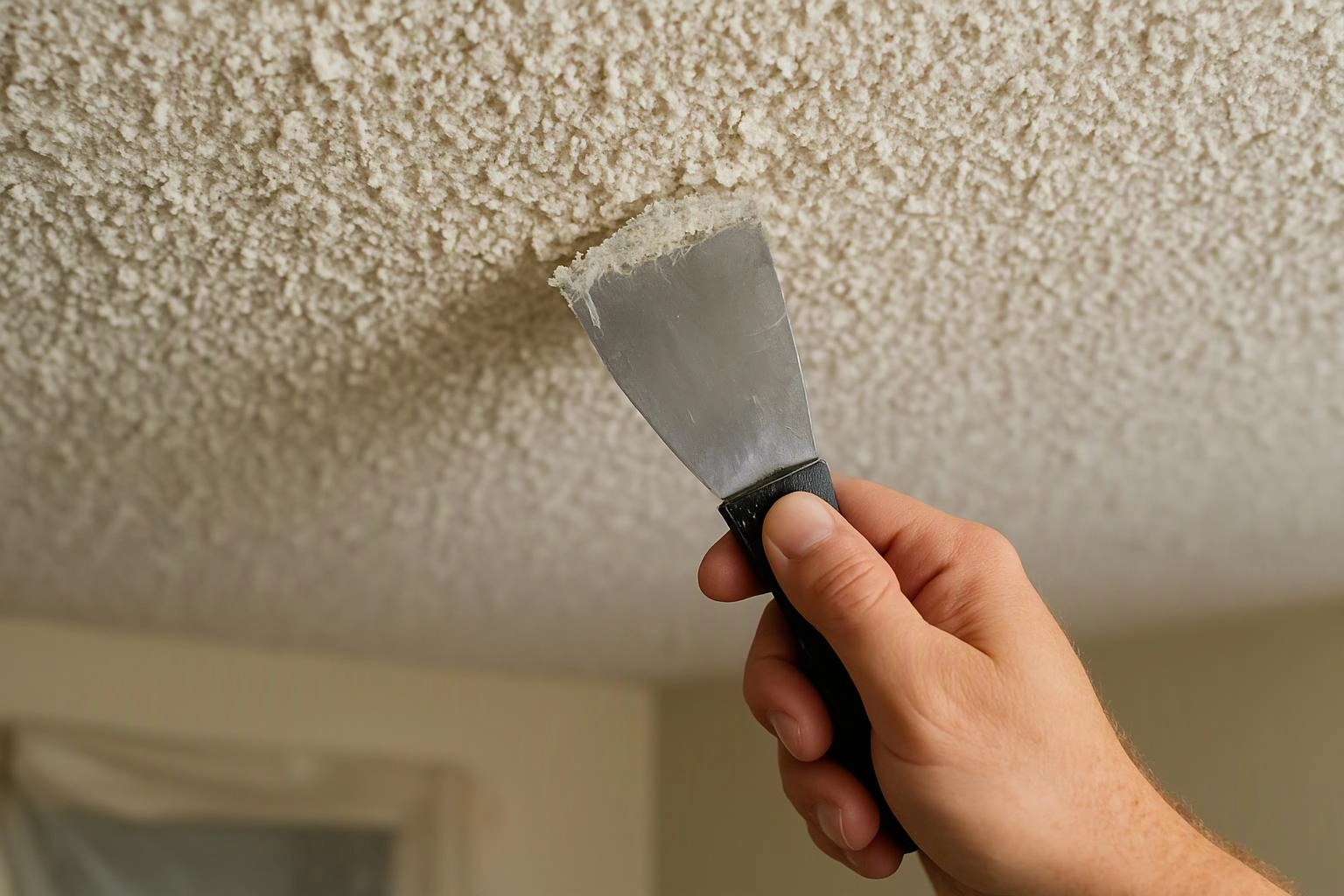
What Should You Check Before Removing a Popcorn Ceiling?
Popcorn ceiling removal starts with checking the material, ceiling condition, moisture history, and fixtures.
Look closely at the ceiling material before work begins. A popcorn ceiling may also be called acoustic ceiling texture, cottage cheese ceiling, or a textured ceiling.
We inspect the drywall for cracks, stains, movement, and weak areas. We also check ceiling fixtures, access points, and signs that past repairs changed the surface.
Moisture damage needs attention before surface preparation. A roof leak, plumbing leak, or high humidity can weaken drywall and affect the new finish.
For a complete plan, our team connects popcorn ceiling removal with surface repair and interior house painting.
Signs Your Ceiling Needs Extra Preparation
Visible ceiling problems show where removal may need more surface preparation. Our crew records these conditions before planning repairs and repainting.
Common Causes of Ceiling Damage Under Popcorn Texture
Damage under popcorn texture often comes from moisture, movement, or poor adhesion. We identify the likely cause so repairs address the ceiling problem, not just its appearance.
We review moisture history before covering damaged areas. Active leaks and related building repairs must be resolved before cosmetic work begins.
What to Do When the Ceiling Material Is Unknown
Unknown ceiling material should be identified before removal because disturbing some older textures can create a health risk.
Some older acoustic ceiling textures may contain asbestos-containing material. You can't confirm that material by appearance alone, and scraping can disturb hidden fibers.
We pause the removal plan when the material history is unclear. Material testing through a qualified testing service can help determine whether disturbance is safe and what controls are required.
Testing results also guide disposal, containment, and work planning. We use the available findings to define the proper preparation process before surface work starts.
Popcorn Ceiling Removal Preparation Checklist
Room preparation limits damage and keeps the work area easier to control. Our team reviews the room with you before removal begins.
Ceiling fans and light fixtures need careful planning before work starts. We protect or coordinate fixture handling, while electrical changes must be completed through proper electrical service.
Preparation Steps That Help Prevent Damage and Dust Spread
A sealed work area helps keep dust from moving through the home. We combine room protection with controlled work practices and surface cleanup.
Dust control continues during removal, repairs, sanding, and cleanup. Our crew also checks exposed surfaces before priming begins.
What to Review Before Work Starts
A clear pre-work review connects the ceiling condition with the room protection plan. The table below shows the main items we discuss before preparing the estimate.
| Review item | What we check | Why it matters |
|---|---|---|
| Ceiling material | Texture type, age, coatings, and available history | Guides material testing and safe preparation |
| Ceiling condition | Cracks, sagging, loose texture, and uneven drywall | Shows where surface repair may be needed |
| Water damage | Stains, discoloration, soft areas, and moisture history | Helps prevent covering an unresolved problem |
| Room contents | Furniture, flooring, wall finishes, and nearby items | Sets the protection and dust-control plan |
| Electrical fixtures | Fans, lights, wiring access, and fixture locations | Prevents damage and clarifies access needs |
| Access points | Doors, stairs, work paths, and ceiling height | Helps plan safe movement and protection |
Our review also covers wall finishes that could be affected by sanding or compound work. We use these details to plan the work area before tools and materials enter the room.
Can a Ceiling Be Painted After Popcorn Texture Is Removed?
Yes, a ceiling can be painted after popcorn texture removal when the surface is repaired, smooth, clean, and properly primed.
Ceiling skim coating can level remaining texture and uneven drywall. We use joint compound where needed, then sand the repaired surface for a consistent finish.
Priming seals the prepared surface and helps the ceiling paint bond evenly. Our team checks for dust, ridges, pinholes, and visible repair lines before repainting.
The final finish depends on surface smoothness and the selected ceiling paint. Proper surface preparation matters as much as the last coat.
How PainterSammamishwa.com Plans Popcorn Ceiling Removal and Repainting
PainterSammamishwa.com reviews the ceiling, room setup, repairs, and finish plan before preparing an estimate.
Our team begins with a surface assessment and room protection plan. We then identify material concerns, repair needs, fixture access, and the desired finish.
We connect removal with drywall repair, priming, and interior house painting when the ceiling needs a complete finish update. Free Estimates Available helps you request a project review before work begins.
Our estimate explains the planned preparation, surface repair, dust control, and repainting needs. You can contact us through our contact page to discuss the ceiling.
What Changes the Cost of This Ceiling Preparation?
Ceiling size, access, surface repairs, material testing, and the chosen finish change the project cost.
Ceiling height and room access affect setup, protection, and safe movement. Texture condition also matters because loose or painted texture may need different preparation.
Repair needs can include drywall patching, joint compound, skim coating, sanding, and stain sealing. Material testing may add a separate planning step when the ceiling history is unclear.
Paint finish affects the final preparation and coating plan. We review these factors together and provide an exact estimate based on the actual room and ceiling condition.
Questions About Preparing for Popcorn Ceiling Removal
Can popcorn ceiling texture contain asbestos?
Yes, some older popcorn ceiling texture can contain asbestos-containing material, so PainterSammamishwa.com recommends material testing before disturbance when the history is unclear.
What happens if popcorn ceiling removal reveals water damage?
Water damage needs review and repair before the ceiling receives new compound, primer, or paint.
Should ceiling fans and light fixtures be removed before popcorn ceiling removal?
Ceiling fans and light fixtures should be reviewed before removal so we can protect them and plan safe access around each opening.
How do you protect walls and floors during popcorn ceiling removal?
We protect walls and floors with a sealed work area, plastic sheeting, secured floor covering, and controlled airflow.
Ready to review your ceiling material, room setup, and repainting needs? PainterSammamishwa.com can prepare an estimate based on the actual project conditions.
Related Resources
Adding Wallpaper or Popcorn Ceiling Removal to a Painting Project
What's RequiredWallpaper Removal Before Painting: How to Prepare the Walls
Who It's ForPopcorn Ceiling Removal: Options and What Comes Next
What Comes AfterAfter Interior Painting: Caring for Fresh Paint and Watching for Problems