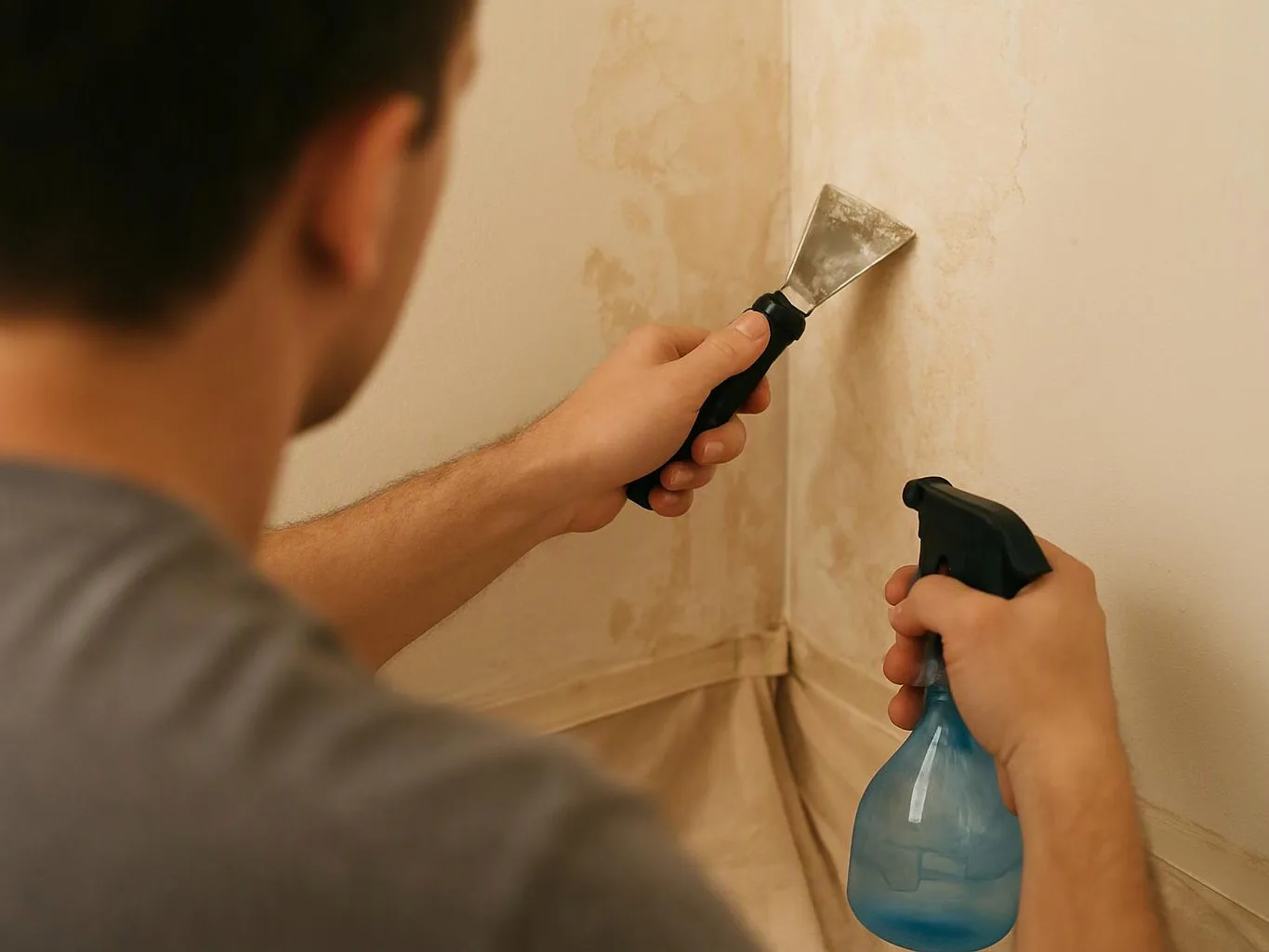
Wallpaper Removal Before Painting: How to Prepare the Walls
Wallpaper removal before painting gives the new finish a cleaner base, but the walls must be cleaned, repaired, dried, and primed first. PainterSammamishwa.com checks the wall surface and prepares it for a smooth, lasting paint finish.
Get a Free EstimateShould Wallpaper Be Removed Before Painting?
Yes, wallpaper should usually be removed before painting because seams, texture, loose paper, and adhesive can show through the new paint.
Wallpaper can hide cracks, dents, and moisture damage. Removing it lets us inspect the wall surface and correct problems before interior painting. We also remove wallpaper adhesive so the primer and paint can bond properly.
Painting over wallpaper can work only when the paper is firmly attached, smooth, and clean. Our team checks those conditions before recommending that approach.
For a closer look at the service, see our Wallpaper Removal service page.
Before Removing Wallpaper: Prepare the Room and Walls
Room preparation protects nearby surfaces and helps us identify the safest removal method. Our crew reviews the wallpaper type and wall condition before work begins.
Good preparation reduces mess and limits damage to the surface below. We adjust the removal plan when the wall has fragile plaster, weak drywall, or several paint layers.
How We Check the Wall Before Wallpaper Removal
Wall inspection shows whether the surface is drywall, plaster, or another wall material. We check how firmly the wallpaper backing and adhesive are attached.
Drywall can lose its paper face when wallpaper glue has bonded strongly. Plaster may have loose areas that need careful handling. We also look for moisture damage, stains, soft spots, and paint layers that could affect removal.
Our team tests small areas before choosing a removal method. That check helps us avoid pulling away sound drywall paper or creating unnecessary wall repair.
During Wallpaper Removal: Work Carefully Across the Wall
Careful wallpaper removal protects the wall beneath the covering. We work across the surface in controlled sections and watch for changes in wall condition.
Some walls reveal more than one layer of wallpaper or paint. We remove each layer with care and keep the surface ready for the repair stage.
What If Wallpaper Removal Damages Drywall?
Damaged drywall needs repair and sealing before painting because exposed paper and uneven areas can create texture and adhesion problems.
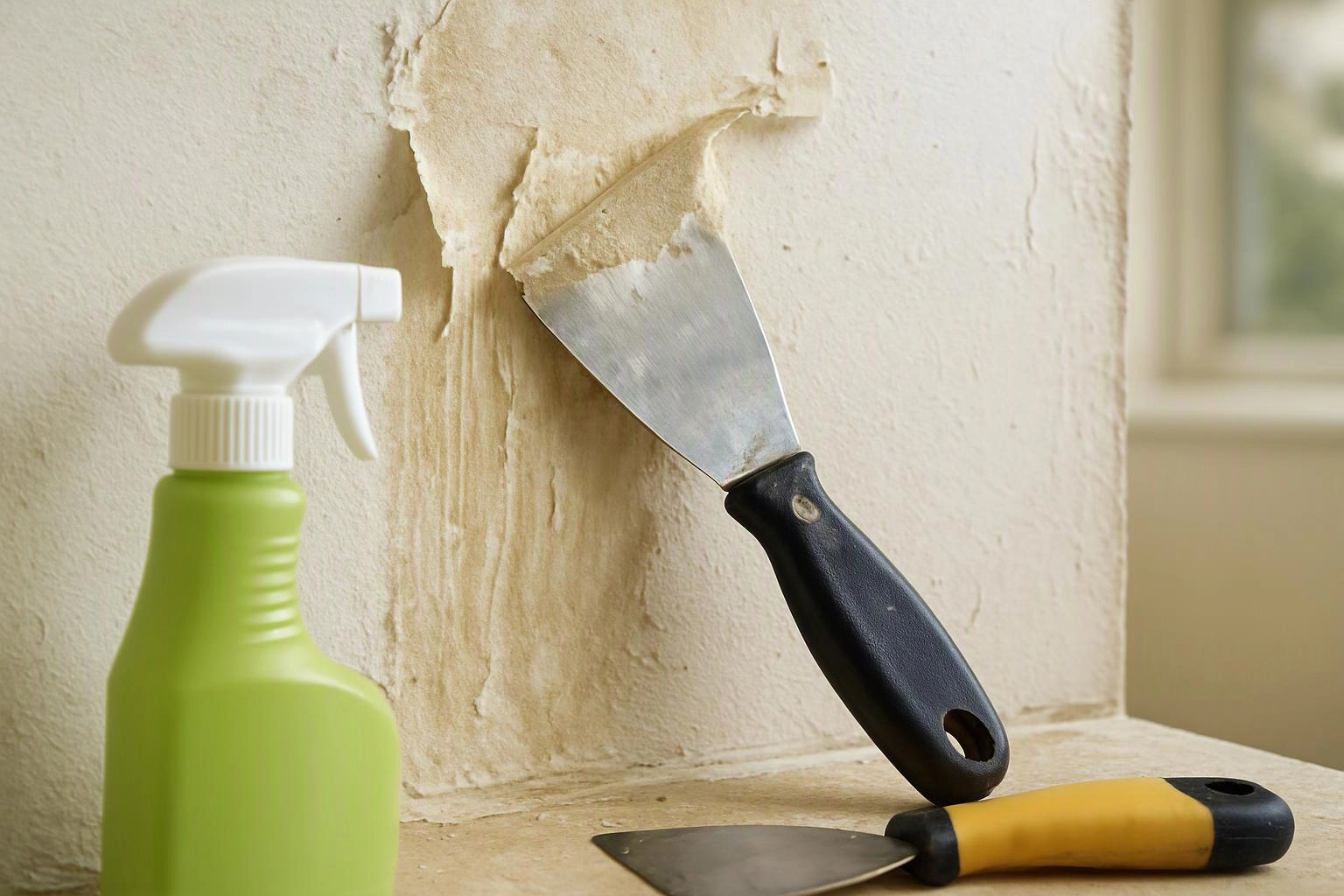
Drywall repair may include trimming loose paper, applying joint compound, or using a skim coating for broad uneven areas. We let repairs dry before sanding them smooth.
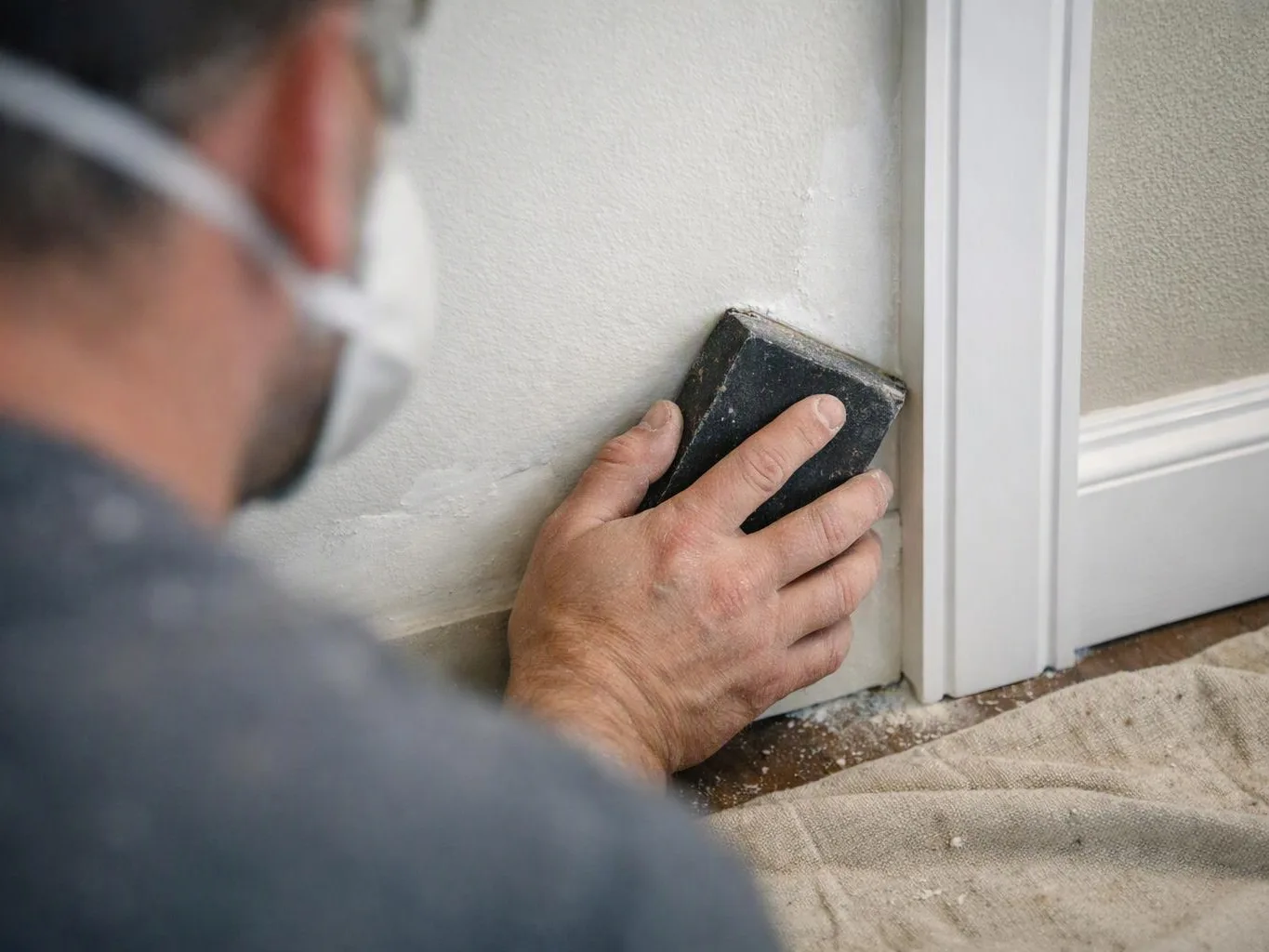
Sanding removes ridges and blends repaired areas into the surrounding wall. Our team then applies sealer to exposed drywall paper so it doesn't swell or show through the paint.
Small surface damage can need only spot repair. Widespread damage may require broader surface preparation before primer application.
After Wallpaper Removal: Prepare the Walls for Paint
Walls need a clean, dry, smooth surface before interior paint can provide an even finish. Our after-removal checklist addresses adhesive, repairs, and primer.
Primer creates a more even base and helps control differences between old paint, repairs, and bare wall. We don't paint until the surface is clean and dry.
Should You Remove Wallpaper or Paint Over It?
Removing wallpaper is usually the better choice when the paper is loose, textured, damaged, or covered with visible seams.
Painting over wallpaper may be considered when the covering is firmly attached and the wall texture is acceptable. We still check edges, seams, adhesive, and surface defects before making that recommendation.
| Option | When it fits | Main concern |
|---|---|---|
| Wallpaper removal | Loose, textured, damaged, or visibly seamed wallpaper | The wall may need repair after the covering comes off |
| Painting over wallpaper | Firm, smooth wallpaper with stable edges and acceptable texture | Seams, loose edges, and adhesive can affect paint adhesion |
Our recommendation depends on the wall surface, not just the wallpaper's appearance. We explain the preparation needed for a smooth finish before work starts.
Red Flags That Can Ruin a Painted Wall
Several surface problems can show through fresh paint or weaken the finish. We address these warning signs before applying the paint coat.
These issues don't always appear from across the room. Our crew checks the wall by touch and sight before moving to primer.
When the Walls Are Ready for Interior Painting
Walls are ready for interior painting when they are smooth, clean, dry, sealed where needed, and free of loose material.
A stain-blocking primer helps control persistent marks and creates a stable base for the paint. We choose primer based on the wall condition and the type of repair completed.
Our final inspection looks for dust, ridges, remaining adhesive, and surface defects. We correct those issues before painting so the finish has better paint adhesion and an even appearance.
How PainterSammamishwa.com Prepares Walls for a Clean Paint Finish
PainterSammamishwa.com combines wallpaper removal, wall repair, and surface preparation before interior house painting.
We inspect the covering and the wall beneath it, then select a removal method that limits damage. Our crew removes adhesive, repairs the surface, sands uneven areas, and seals damaged drywall before primer.
The cost of this work depends on the wallpaper layers, wall material, adhesive condition, repairs, and final paint requirements. We review those factors and provide a clear estimate for your project.
Free Estimates Available. To discuss your walls and request an estimate, contact PainterSammamishwa.com.
Questions About Wallpaper Removal Before Painting
Can you paint a wall immediately after removing wallpaper?
No, a wall should be cleaned, repaired, dry, and primed before painting after wallpaper removal. PainterSammamishwa.com checks for adhesive residue and exposed drywall paper before applying paint.
What primer should be used after wallpaper removal?
The right primer depends on the wall condition, remaining stains, and repaired areas. We use a sealing or stain-blocking primer when exposed drywall paper, adhesive marks, or stains could affect the finish.
How can you tell whether wallpaper adhesive is still on the wall?
Wallpaper adhesive may leave a tacky, shiny, ridged, or uneven film on the wall. We inspect the surface by sight and touch, then clean and prepare any remaining residue before primer.
Does wallpaper removal always require drywall repair?
No, wallpaper removal doesn't always require drywall repair. Repair becomes necessary when removal exposes paper, tears the surface, leaves gouges, or reveals uneven areas.
Related Resources
Adding Wallpaper or Popcorn Ceiling Removal to a Painting Project
What It SolvesWhy Interior Paint Bubbles, Peels, or Cracks — and What to Do Before Repainting
What It SolvesBefore Removing a Popcorn Ceiling: What to Check and Prepare
Who It's ForPopcorn Ceiling Removal: Options and What Comes Next