Paint Stripping: Methods, Surfaces, and When It Makes Sense
Paint stripping methods include chemical removers, heat, scraping, sanding, and abrasive removal. The right choice depends on the surface, paint layers, finish goal, and safety risks; PainterSammamishwa.com can assess the coating and recommend a suitable approach.
Get a Free EstimateWhat Is Paint Stripping?
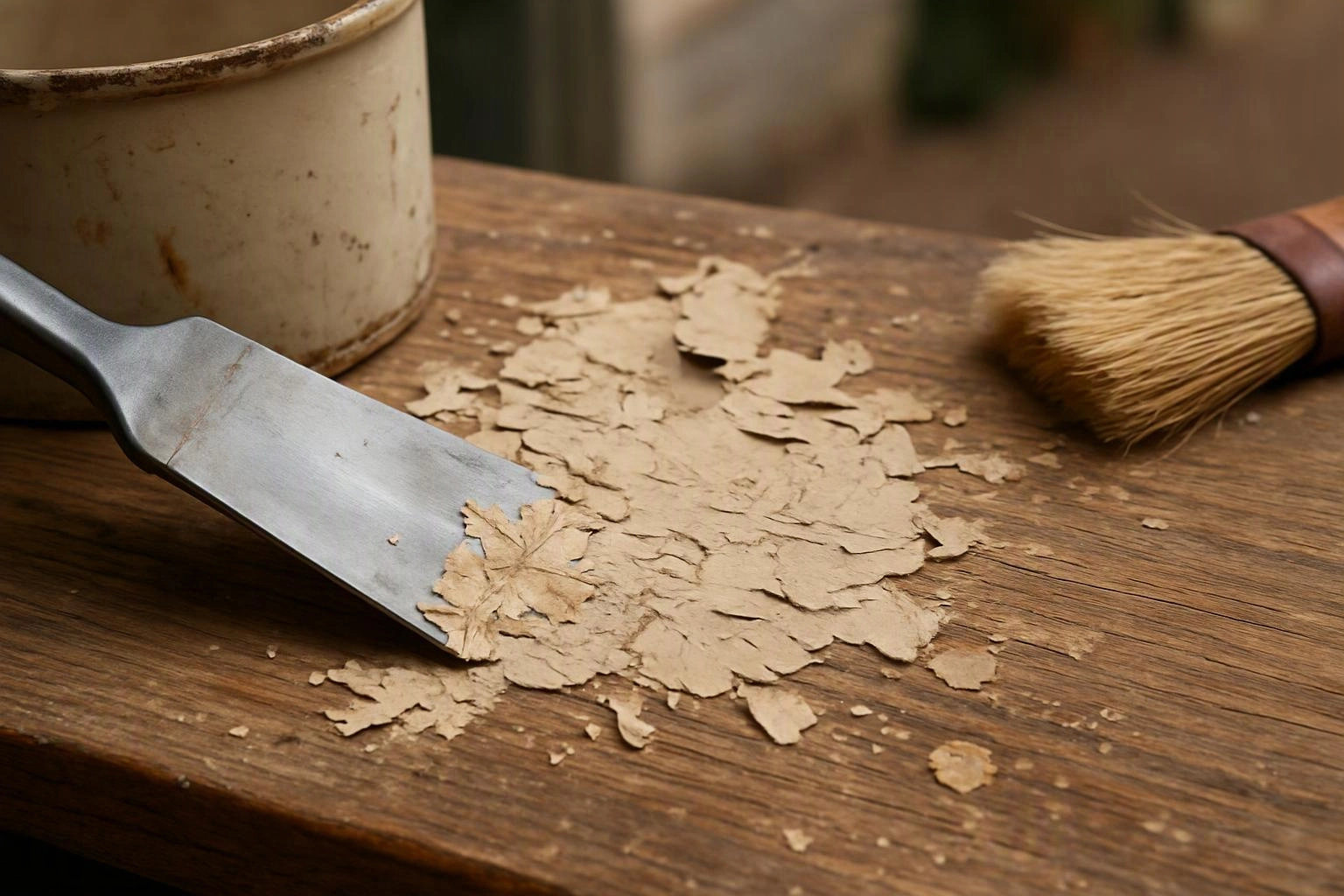
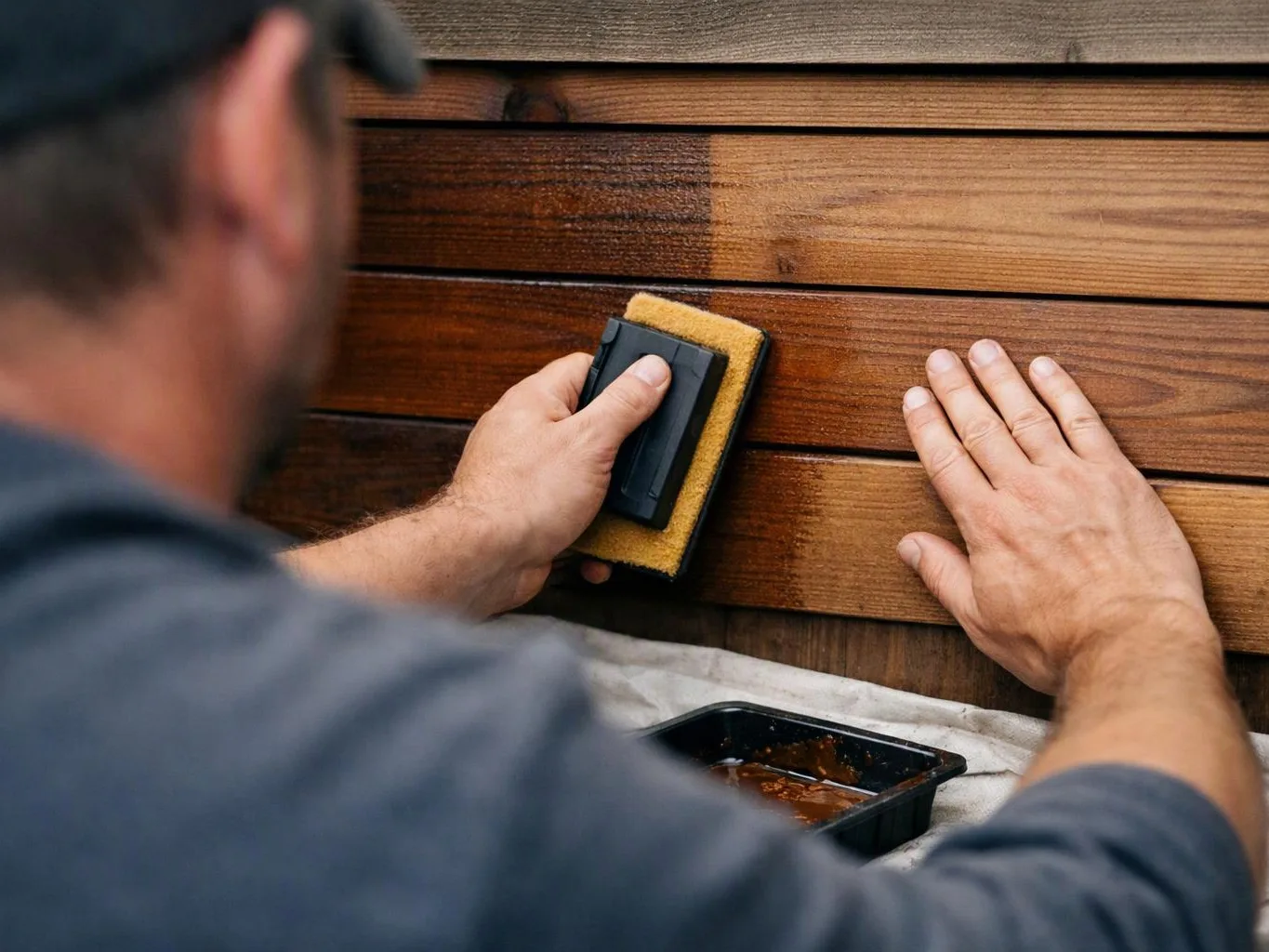
Paint stripping is a surface preparation process that removes existing coatings so the underlying material can be repaired, refinished, or repainted.
Coating removal exposes the substrate beneath old paint. We inspect that substrate before choosing a method, because aggressive removal can harm wood, metal, masonry, or drywall.
Our team uses the removal approach that supports the next finish. You can learn more about our Paint Stripping service when the existing coating needs careful assessment.
Which Paint Stripping Method Fits Each Surface?
The best paint stripping method depends on surface sensitivity, coating strength, and the finish that follows. We also consider dust, heat, chemicals, and access before work begins.
| Method | Surfaces it may suit | Main consideration |
|---|---|---|
| Chemical paint remover | Wood, metal, and detailed surfaces | Chemical safety, dwell time, residue, and waste handling |
| Heat stripping | Stable wood and some metal surfaces | Heat damage, fire risk, and possible coating fumes |
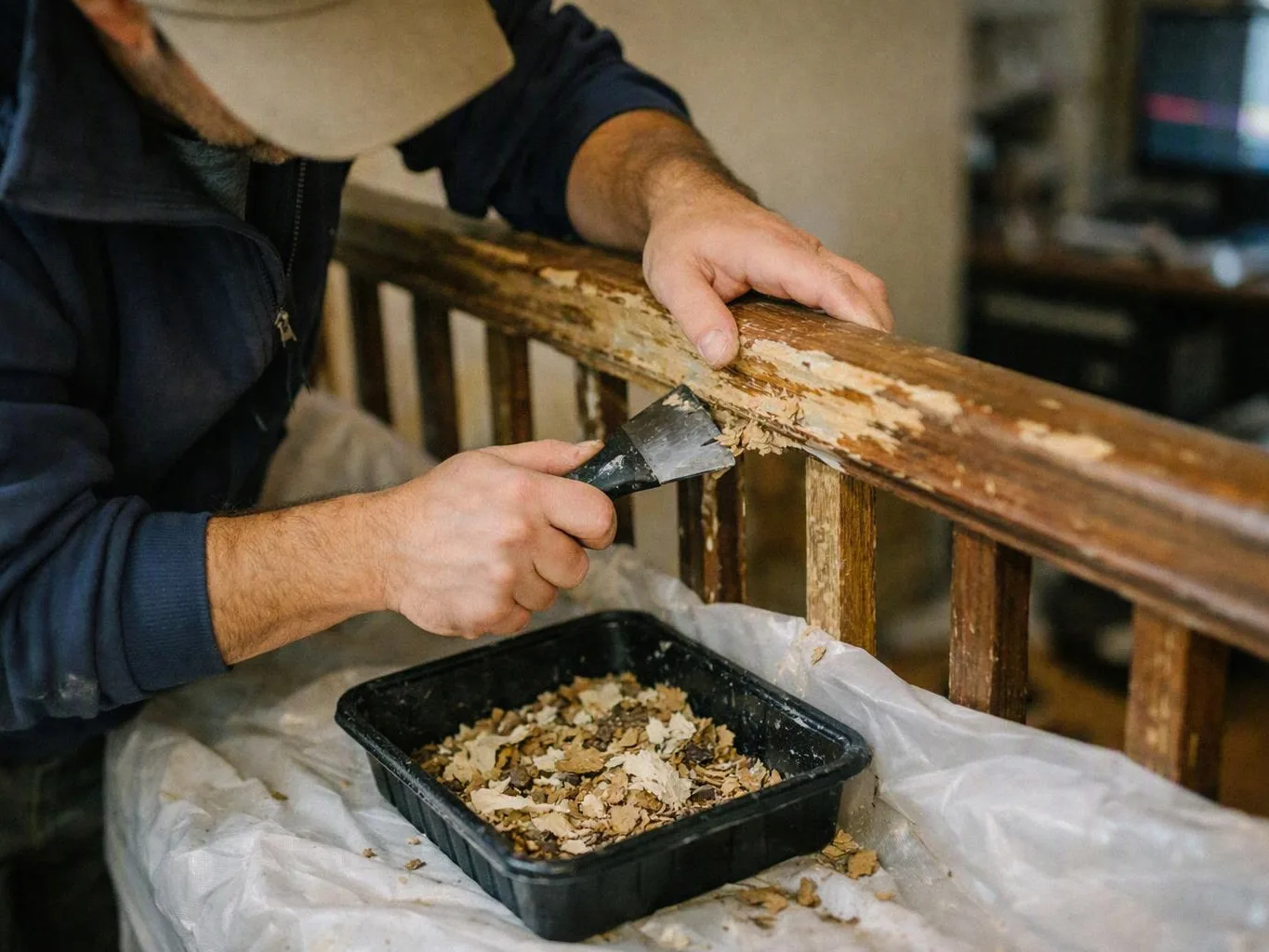
| Scraping | Loose or peeling paint on many surfaces | Avoiding gouges while removing weak coating |
| Sanding | Wood, metal, and repaired areas | Dust control and protecting the surface profile |
| Abrasive blasting | Durable metal and suitable masonry | Containment, surface erosion, and surrounding-area protection |
Drywall usually needs limited removal because aggressive methods can damage its paper face. We often focus on loose paint, repairs, cleaning, and a smooth surface before primer.
Why Do Homeowners Choose Paint Stripping?
Homeowners choose paint stripping when the existing coating prevents a clean, lasting finish. We match removal to the condition of the surface and the planned repainting work.
We scrape loose paint, repair damaged areas, and smooth the surface before refinishing. That process helps the new coating bond to a sound base.
How Do Paint Stripping Needs Differ by Customer?
Paint stripping needs vary by the customer, surface condition, work area access, and finish goal. We plan the work around the building and the coating, not one universal method.
| Need being compared | Homeowners | Other customers |
|---|---|---|
| Main goal | Improve appearance and prepare for repainting | Property managers may focus on consistent upkeep |
| Work area access | Rooms, trim, doors, or exterior details | Business owners may need work planned around public areas |
| Surface condition | Peeling, cracking, or layered residential coatings | Restoration projects may include delicate or historic details |
| Finish goal | A smooth base for new paint | Repainting projects may require strict finish consistency |
Our team controls the work area and protects nearby surfaces during removal. We also adjust the plan when access is tight or the coating behaves unevenly.
What Features Matter When Choosing a Stripping Approach?
The right approach protects the surface while preparing it for the next coating. We review these features before starting removal.
We choose the least aggressive method that can meet the finish goal. That choice helps balance removal quality, surface protection, and cleanup.
What Challenges Can Affect Paint Stripping?
Paint stripping becomes more complex when the coating or substrate is uncertain. We identify these risks before method selection.
We stop and reassess when the surface reveals hidden damage or unsafe coating conditions. We don't treat lead paint as ordinary debris.
How Do We Match the Method to the Surface?
We match paint removal methods to the surface through inspection, testing, containment, and finish preparation.
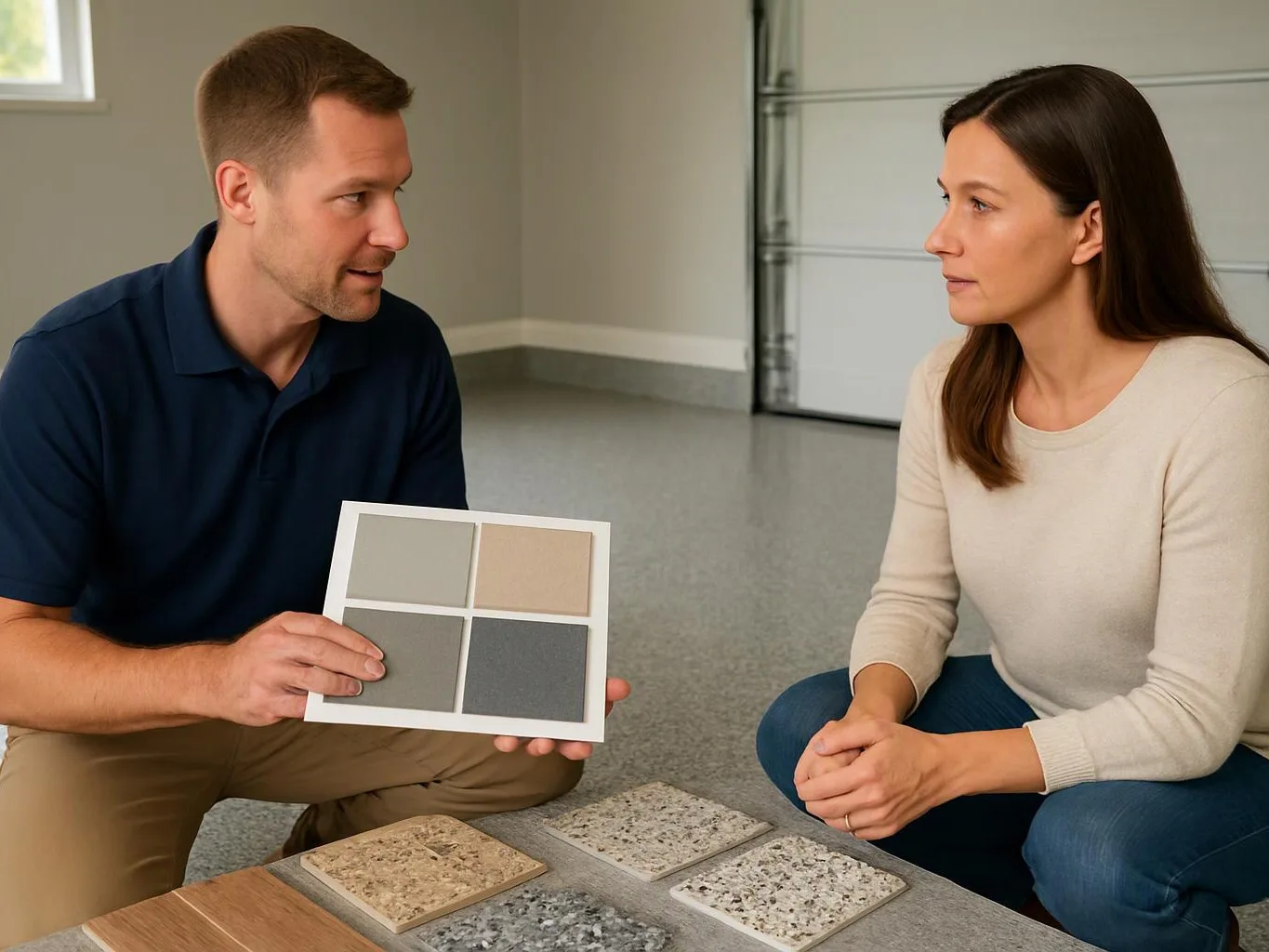
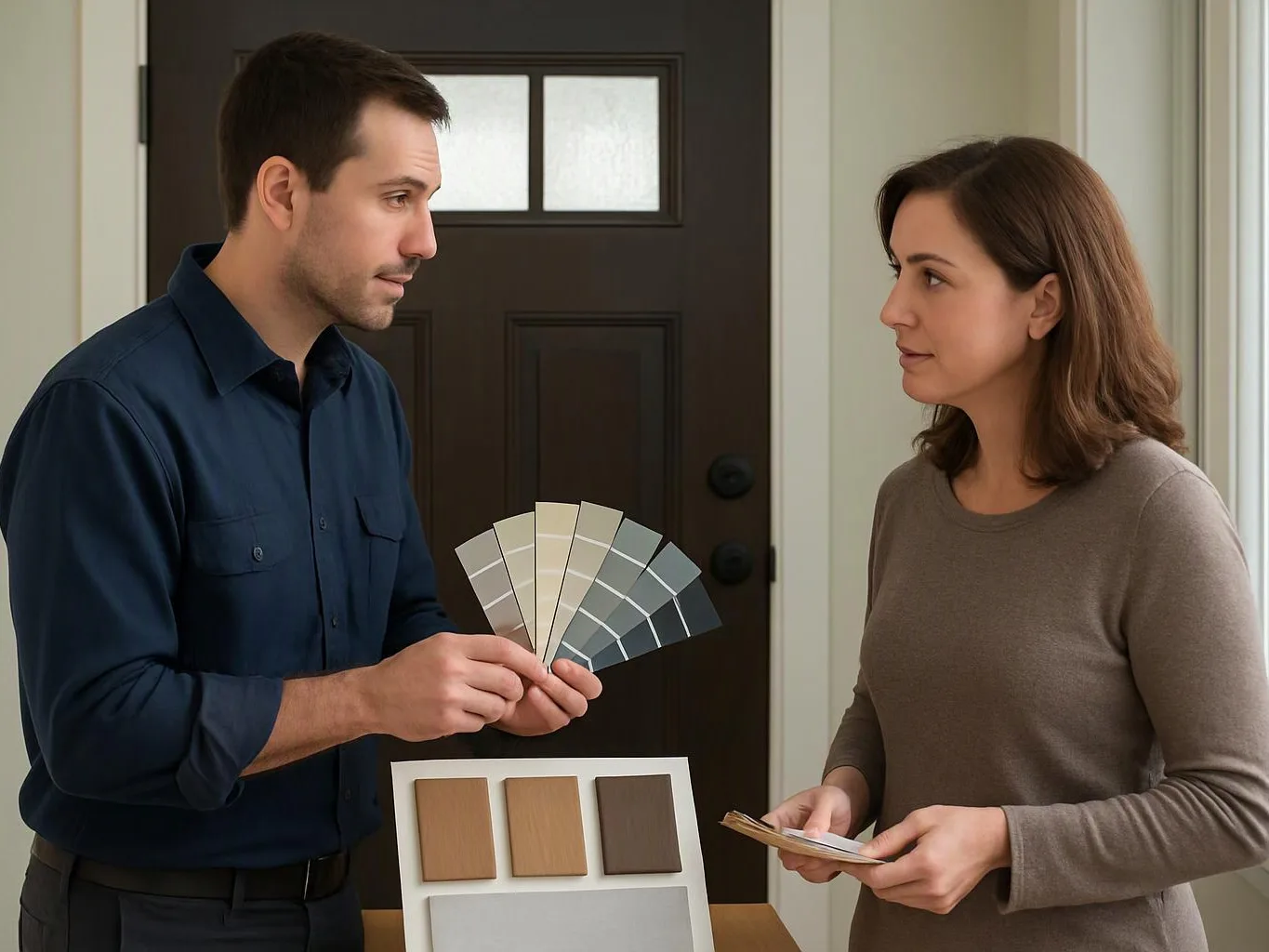
Our crew explains the selected method before work begins. We then check the prepared surface so the next coating has a clean base.
When Should You Strip Paint Instead of Painting Over It?
You should strip paint when the existing coating is failing, too thick, unsafe, or hiding surface problems that new paint won't solve.
Flaking, peeling, and cracked paint usually need loose material removed before repainting. An uneven surface may also need broader removal so repairs can blend properly.
Sound paint can often remain when it is clean, firmly bonded, and suitable for the new coating. We prepare sound areas with cleaning, light sanding, and the right primer before repainting.
How Do We Prepare Different Surfaces for New Paint?
Surface preparation depends on the material beneath the coating and the finish that will follow.
Wood preparation focuses on removing failed paint without cutting into the grain. We clean, sand, repair, and prime wood before applying a new finish.
Metal preparation may include rust removal, degreasing, sanding, and a compatible primer. Masonry preparation focuses on cleaning, loose coating removal, repairs, and moisture concerns.
Drywall preparation requires gentle removal of loose paint and careful patching. We smooth the surface, control dust, and apply primer where needed before repainting.
What Does a Paint Stripping Estimate Consider?
A paint stripping estimate considers the surface, coating condition, access, chosen method, containment needs, and follow-up preparation; Free Estimates Available.
We review surface area, the number of coating layers, paint hardness, and work area access. We also consider containment, waste handling, repairs, cleaning, sanding, and primer needs.
Our team explains what the estimate includes and what preparation the next finish requires. Request an exact quote through our contact page.
Common Paint Stripping Questions
Paint stripping questions usually focus on safety, wood removal, chemical products, lead paint, and surface damage. The answers depend on the coating and substrate.
We assess those conditions before recommending a removal approach. That inspection helps protect the surface and prepare it for a durable new finish.
Questions About Paint Stripping Methods
Can paint stripping damage wood?
Yes, paint stripping can damage wood when the method is too aggressive or heat is misused. PainterSammamishwa.com checks the grain, coating bond, and surface condition before choosing chemical removal, scraping, or sanding.
What is the safest way to remove paint from detailed surfaces?
Chemical paint remover and controlled hand scraping often suit detailed surfaces because they limit aggressive abrasion. We protect adjacent areas, manage residue, and prepare each detail for primer.
Can you strip paint when the old coating may contain lead?
Yes, paint stripping can address suspected lead paint only with careful assessment, containment, dust control, and regulated handling. We identify warning signs and use a work plan that protects occupants and surrounding surfaces.
Does every painted surface need to be stripped before repainting?
No, sound paint doesn't always need complete removal before repainting. We test adhesion, clean the surface, smooth problem areas, and use primer when the existing coating is stable.
What should happen after old paint is removed?
After old paint is removed, the surface should be cleaned, repaired, smoothed, and checked before primer and new paint. We confirm that the substrate is dry, sound, and ready for the selected finish.
PainterSammamishwa.com can inspect the coating, match the method to the surface, and prepare the area for its next finish.
Request a paint stripping estimateRelated Resources
Why Interior Paint Bubbles, Peels, or Cracks — and What to Do Before Repainting
What It SolvesWhy Deck Stain Peels and How to Decide What the Surface Needs
What to AvoidOld Paint Removal Mistakes That Can Undermine a Repaint
How It WorksWhat to Expect from a Professional Paint-Stripping Project