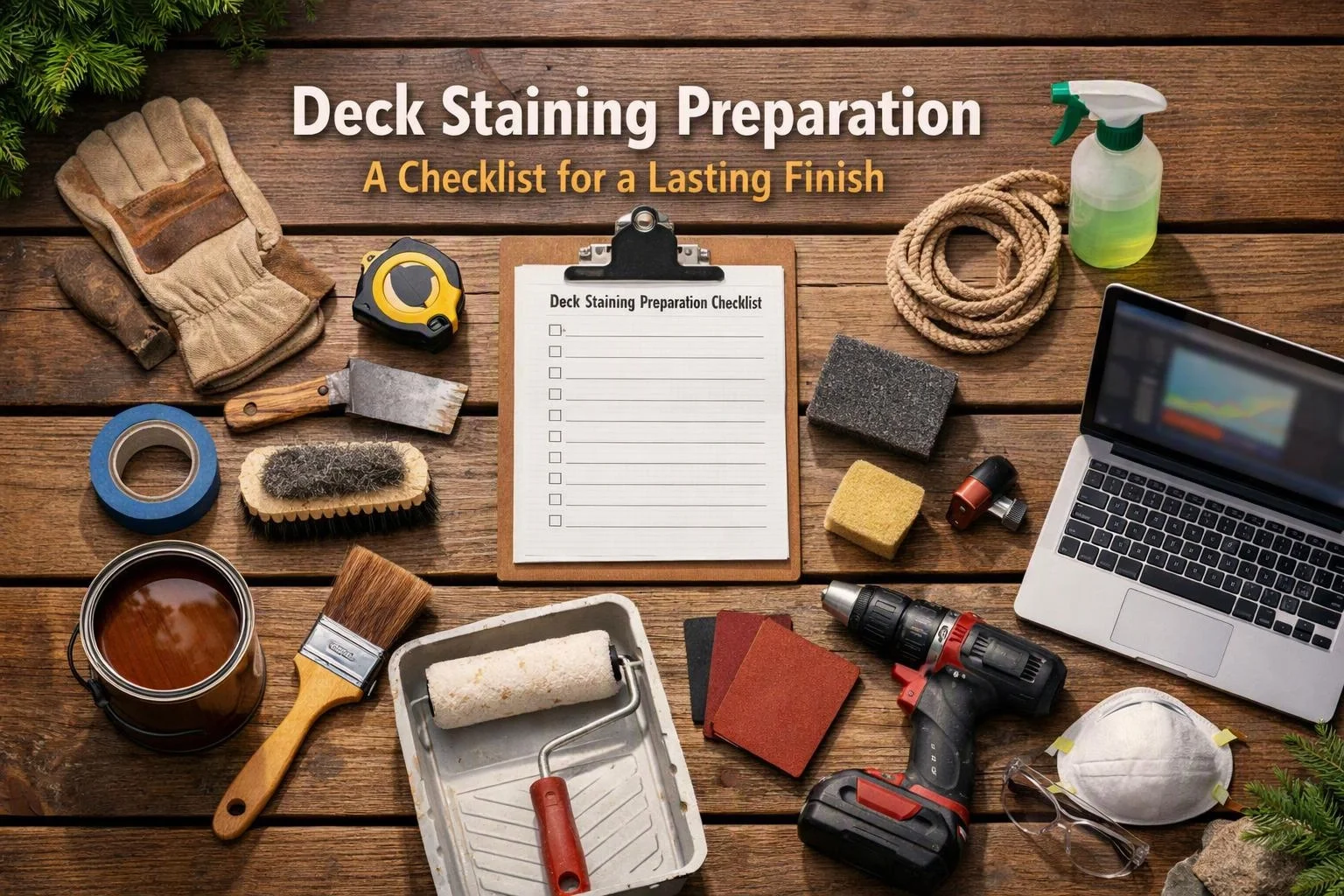
Deck Staining Preparation: A Checklist for a Lasting Finish
Deck staining preparation means clearing the deck, cleaning the wood, removing failing finish, making repairs, and confirming the surface is clean and dry. PainterSammamishwa.com uses these checks before recommending stain application.
Get a Free EstimateWhat Does Deck Staining Preparation Include?
Deck staining preparation includes cleaning, surface inspection, repairs, finish removal, drying, and a readiness check.
A wood deck needs a sound surface before deck stain can bond evenly. Our team checks the surface condition and connects each preparation step to the final finish.
Our Deck Staining process begins with the wood itself. We look for damage, residue, failing old finish, and areas that may absorb stain unevenly.
Before You Prepare the Deck
Before deck prep starts, clear the work area and check conditions that can affect safe, even preparation.
We use this early review to protect nearby surfaces and prevent missed repairs.
A clear deck makes every board easier to inspect. Our crew also checks railings, stairs, deck edges, and visible joists where access allows.
How Should You Clean and Inspect the Wood?
Deck wood should be cleaned to remove dirt, organic growth, and failing finish without damaging the wood fibers.
We select a suitable deck cleaner for the surface and address mildew, moss, dirt, and old stain. Cleaning exposes surface damage that may stay hidden under grime.
Pressure washing can help remove buildup, but too much pressure can damage wood fibers. We control the cleaning method and inspect the boards after the surface dries enough to reveal defects.
Our surface inspection looks for cracks, splinters, soft areas, loose fasteners, and remaining old finish. These findings guide wood repair, scraping, sanding, or board replacement.
During Deck Preparation
During deck preparation, we clean, repair, and refine the surface so stain can reach the wood evenly.
Each step depends on the condition of the deck. We protect edges and nearby materials as the work moves across the surface.
Our team avoids covering defects with stain. We prepare the wood until the surface supports better stain adhesion and a more even appearance.
How Can You Tell When the Wood Is Ready for Stain?
Deck wood is ready for stain when the surface is clean, sound, free of residue, and dry enough for the selected product.
Dry wood should feel clean and stable, with no muddy film, loose dust, or wash residue. We check wood moisture and consider recent weather exposure before recommending stain.
Water absorption can help show whether the surface is accepting moisture evenly. Our crew also checks shaded areas, board ends, and places where moisture may linger.
The selected stain matters because products have different surface requirements. We confirm compatibility before moving from preparation to application.
After Preparation and Before Staining
After preparation, the deck needs a final inspection before any stain reaches the wood.
We use this review to catch dust, residue, missed repairs, and areas that may absorb stain differently.
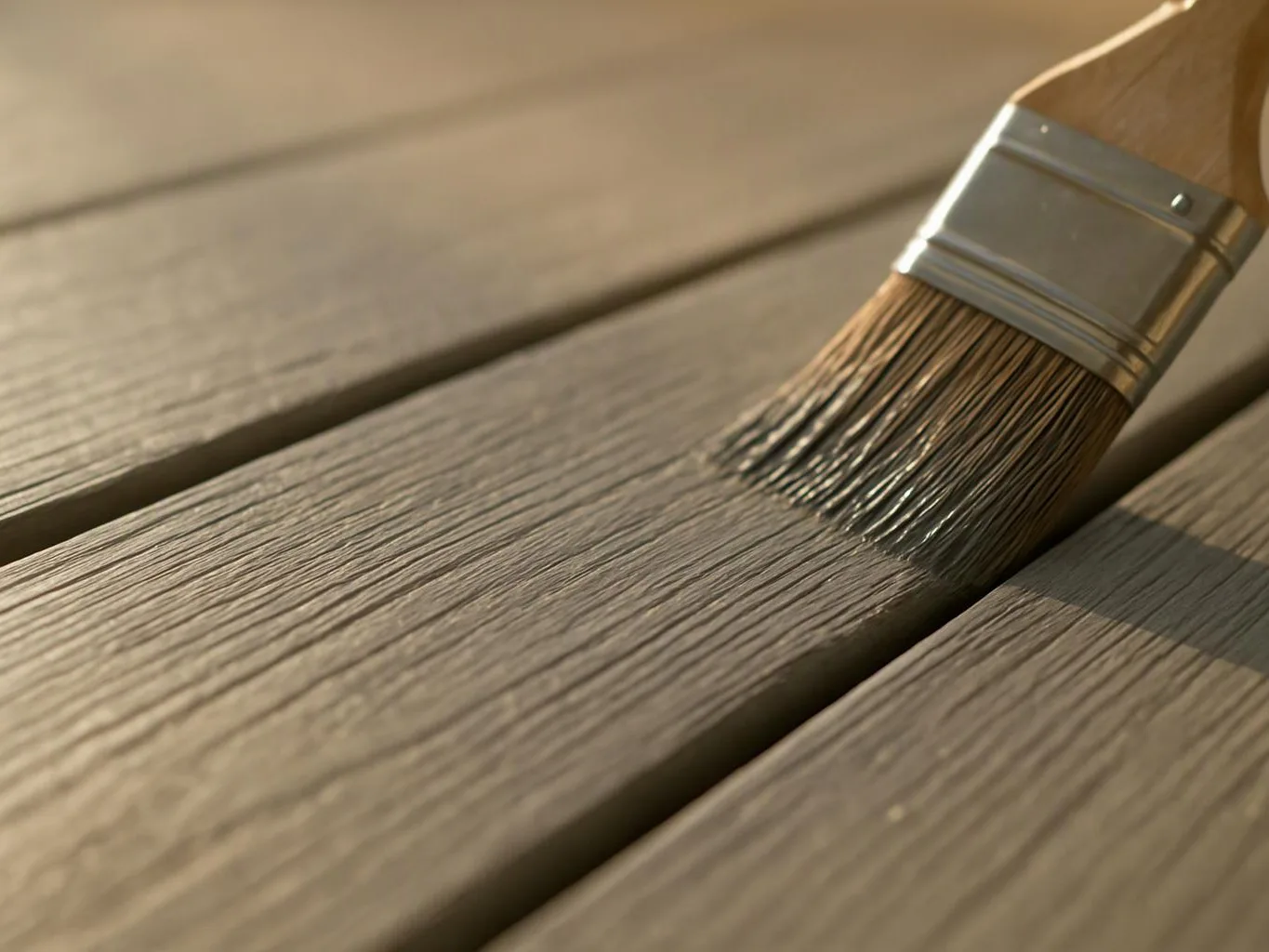
We apply stain evenly and follow the wood grain where the product allows. A careful final check helps prevent avoidable color and adhesion problems.
What Happens If You Stain a Dirty or Damp Deck?
Staining dirty or damp wood can trap residue and moisture, which may cause uneven color, weak adhesion, peeling, or mildew growth.
A dirty deck can keep stain from reaching the wood surface. We clean and inspect the boards before application so the stain has a better chance to bond.
Damp wood can hold moisture below the finish. Our team lets the wood dry and checks shaded or protected areas before staining.
These problems can also lead to blistering and early failure of the finish. Proper preparation gives the stain a cleaner surface and a more even appearance.
Red Flags That Mean the Deck Needs More Preparation
These red flags show that the deck needs more preparation before stain application.
Our crew stops to address these conditions instead of covering them with a new finish.
When Should You Get Help With Deck Staining Preparation?
PainterSammamishwa.com should handle preparation when the work involves unsafe access, extensive finish removal, damaged wood, or uncertain stain compatibility.
Ladder safety matters around raised decks, stairs, and railings. Our crew handles difficult access and evaluates surface repairs before staining.
We can also help with stain selection when the existing finish, wood type, or exposure creates uncertainty. Our team explains what the estimate includes and how preparation affects the application plan.
PainterSammamishwa.com offers Free Estimates Available for customers who want the deck reviewed before work begins.
Contact us through our contact page to discuss deck staining preparation.
Questions About Deck Staining Preparation
Can you stain a deck without stripping the old stain?
Yes, PainterSammamishwa.com can stain without full stripping when the old finish is sound, compatible, and allows even absorption. We remove failing finish and prepare problem areas before deciding whether complete stripping is needed.
Should you sand a deck after pressure washing?
Yes, sanding may be needed after pressure washing when the wood has raised fibers, rough areas, or uneven edges. We let the surface dry, inspect it, and sand only the areas that need refinement.
What should you do if deck boards feel soft during preparation?
Soft deck boards need a closer inspection before staining. We assess the damaged wood and determine whether repair or board replacement is needed.
How do you choose the right stain for prepared deck wood?
The right stain depends on the wood condition, remaining finish, exposure, and desired appearance. We review stain compatibility and test absorption before planning an even application.