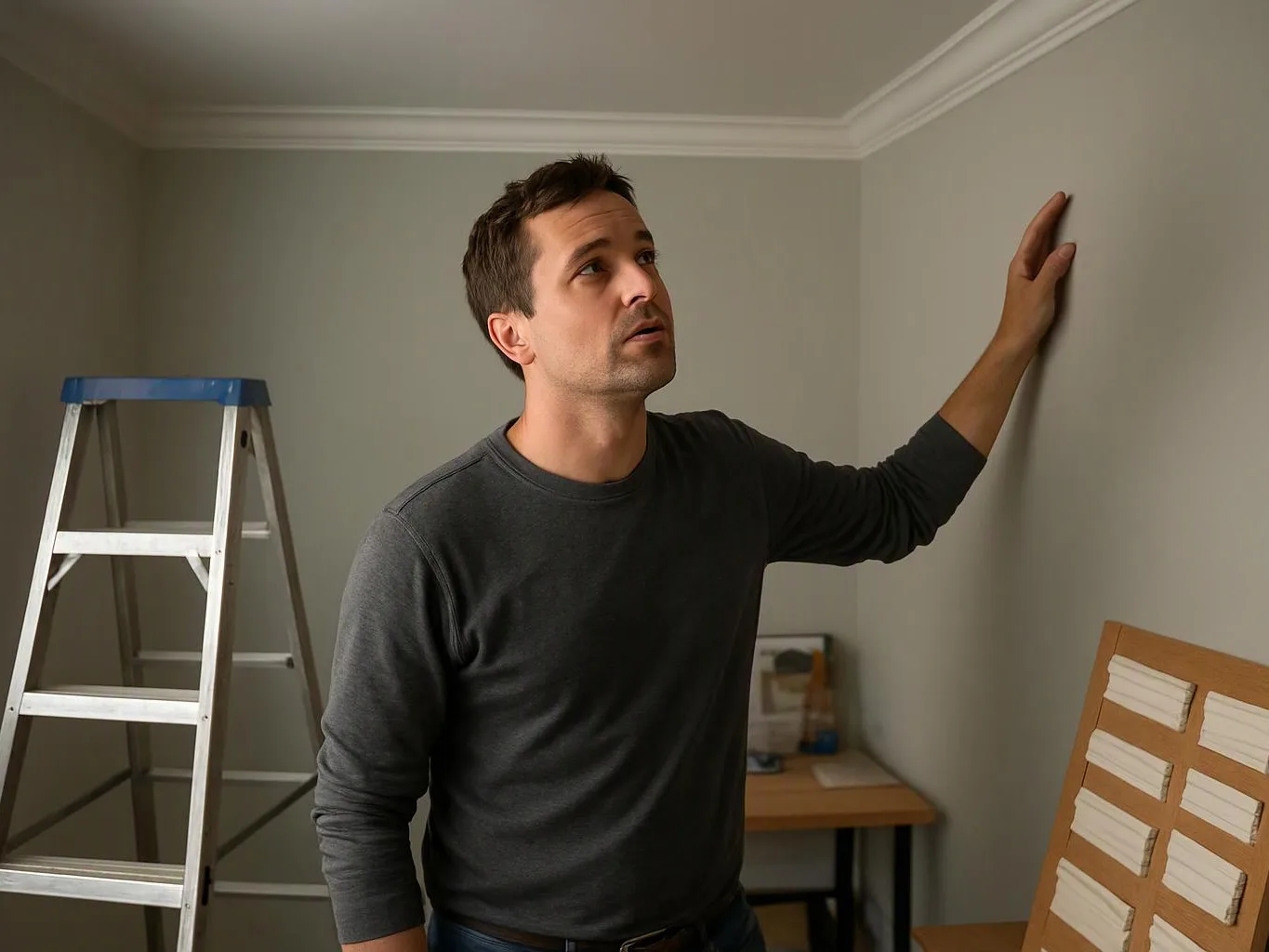
Planning a Commercial Painting Project
Commercial painting project planning aligns the property’s goals, surfaces, access needs, schedule, coatings, and site rules before work begins. PainterSammamishwa.com uses that plan to prepare a clear scope, coordinate the crew, and provide Free Estimates Available.
Get a Free Estimate
What Should a Commercial Painting Project Plan Include?
Commercial painting project planning should define the property, surfaces, preparation, coatings, access, schedule, protection, and completion checks.
We begin with the property’s goals and current condition. Our team reviews interior and exterior surfaces, including signs of peeling, staining, damage, or weak paint adhesion.
Next, we set the surface preparation and paint coating requirements. The plan also covers color selection, access planning, worksite protection, project schedule, and the written scope.
PainterSammamishwa.com uses these details to coordinate the work and reduce surprises. A clear plan helps property owners and property managers understand what the crew will do.
Why Commercial Properties Need a Detailed Painting Plan
Commercial properties need detailed planning because painting affects business activity, tenants, visitors, and building maintenance.
We build the plan around the building’s use and maintenance goals. That approach supports safer work and better disruption control.
How Painting Needs Differ Across Commercial Properties
Commercial painting needs differ by occupancy, surface type, access, disruption risk, and maintenance goals.
| What is being compared | Commercial Properties | Other customers |
|---|---|---|
| Office buildings | Need quiet work sequencing around staff, meeting rooms, and shared areas. | May have fewer occupied work zones to coordinate. |
| Retail properties | Need customer access, display protection, and careful work near entrances. | May have less concern about customer traffic. |
| Multi-family properties | Require tenant coordination across shared areas and individual units. | May involve fewer occupants or less unit-by-unit planning. |
| Warehouses | Need access planning around storage, equipment, loading areas, and high walls. | May have simpler storage and access conditions. |
| Industrial facilities | May require specialized coatings, substrate review, and strict site rules. | May use more general paint systems and access plans. |
Property owners and property managers can use these differences to set clear priorities. We adjust the scope, work sequence, and protection plan to match the building.
What Features Matter Most in Commercial Painting?
Commercial painting features matter most when they protect the building, support its use, and create a consistent result.
Our team connects each feature to the property’s daily use. We also explain the paint specification so decision-makers know what the scope covers.
What Challenges Can Affect a Commercial Painting Project?
Commercial painting challenges usually come from occupied spaces, difficult access, surface damage, exposure, and coordination needs.
We review these risks during the walkthrough and scope review. Our crew then sets work boundaries, access routes, and protection measures before painting begins.
How We Build a Commercial Painting Project Plan
Our commercial painting project plan connects the property condition, work requirements, access needs, and completion standards.
PainterSammamishwa.com keeps the plan practical and easy to review. You can also explore our Commercial Painting service when planning broader building maintenance.
How Do Commercial Painters Handle Specialized Painting Requirements?
Commercial painting requirements are handled by matching surface preparation and coating selection to the building’s use, exposure, and finish goals.
High-traffic areas may need coatings that support cleaning and repeated contact. Moisture-prone surfaces need careful preparation and a system suited to that exposure.
We inspect metal, concrete, and wood surfaces before selecting products. Decorative finishes and industrial coatings also require clear specifications and controlled application.
Safety requirements shape access, protection, ventilation, and work sequencing. Our crew follows the written scope and coordinates with site representatives before specialized work starts.
What Questions Should You Ask Before Hiring a Commercial Painting Contractor?
The most useful questions cover the written scope, preparation work, coatings, site protection, scheduling, communication, and completion checks.
We answer these questions during the planning and quoting process. A written scope gives everyone the same reference before work begins.
How Do We Prepare a Clear Commercial Painting Quote?
We prepare a commercial painting quote from the property condition, required preparation, coating plan, access needs, and agreed project scope.
Our team reviews surface area, substrate condition, repairs, masking, protection, and labor planning. We also consider whether the project involves interior commercial painting, exterior commercial painting, or both.
The quote explains the work sequence and quote inclusions in plain language. This helps property owners compare the planned work with their maintenance goals.
PainterSammamishwa.com can prepare a commercial painting estimate after reviewing the property and requested scope. Contact us to arrange that review.
What Happens After the Commercial Painting Plan Is Approved?
After approval, the commercial painting plan guides communication, site preparation, crew coordination, painting sequence, and final inspection.
We confirm the project communication process and coordinate access with the property owner or property manager. Our crew then protects the worksite and prepares each surface according to the written scope.
Painting follows the agreed sequence so occupied areas can remain organized. We keep the team focused on preparation, clean application, and disruption control.
After painting, we complete a final inspection with the responsible site contact. We review the punch list, correct agreed items, and confirm the completion standards.
Questions About Planning Commercial Painting Projects
Do commercial painters work on multi-family properties?
Yes, PainterSammamishwa.com works on multi-family properties by coordinating units, shared spaces, tenants, access, and protection needs. We organize the scope so residents and property managers understand the planned sequence.
How should a business prepare an occupied building for painting?
An occupied building should prepare by confirming access, moving sensitive items, sharing schedule details, and identifying areas that need protection. We coordinate these points with site contacts before our crew starts.
What information should be included in a commercial painting scope of work?
A commercial painting scope of work should include areas, surfaces, preparation, coatings, colors, access, protection, schedule coordination, and completion standards. We use these details to create a clear project reference.
How are paint colors chosen for a commercial property?
Paint colors are chosen by considering the property’s use, existing finishes, visibility, brand needs, and maintenance goals. We help organize the color selection and document it in the project plan.
What changes the cost of a commercial painting project plan?
Project cost changes with property condition, surface area, preparation, coating system, access conditions, labor planning, site protection, and project scope. We review those factors and provide a commercial painting estimate based on the agreed work.
How can a commercial painting project reduce disruption to tenants and customers?
A commercial painting project can reduce disruption through schedule coordination, clear communication, protected routes, phased access, and careful work sequencing. Our team plans these controls before painting begins.
PainterSammamishwa.com can help turn your building needs into a clear commercial painting plan. Contact us to discuss the property, scope, access, coatings, and next steps.