
What Is Texture Matching?
Texture Matching is the process of reproducing an existing wall or ceiling surface pattern on a repaired area. The goal is to make new drywall texture blend with the surrounding surface in shape, depth, and direction. Painters inspect the texture, prepare the patch, apply a similar material, and adjust it before painting.
Quick Facts About Texture Matching
Category
Drywall finishing process
Used for
Blending repaired wall and ceiling areas
Common confusion
Matching texture is separate from matching paint color
Also called
Wall texture matching
Often discussed with
Drywall Texturing
Key Takeaways About Texture Matching
- Texture pattern matters as much as paint color.
- A test patch helps guide the final application.
- Texture Matching isn't the same as color matching.
How Texture Matching Works
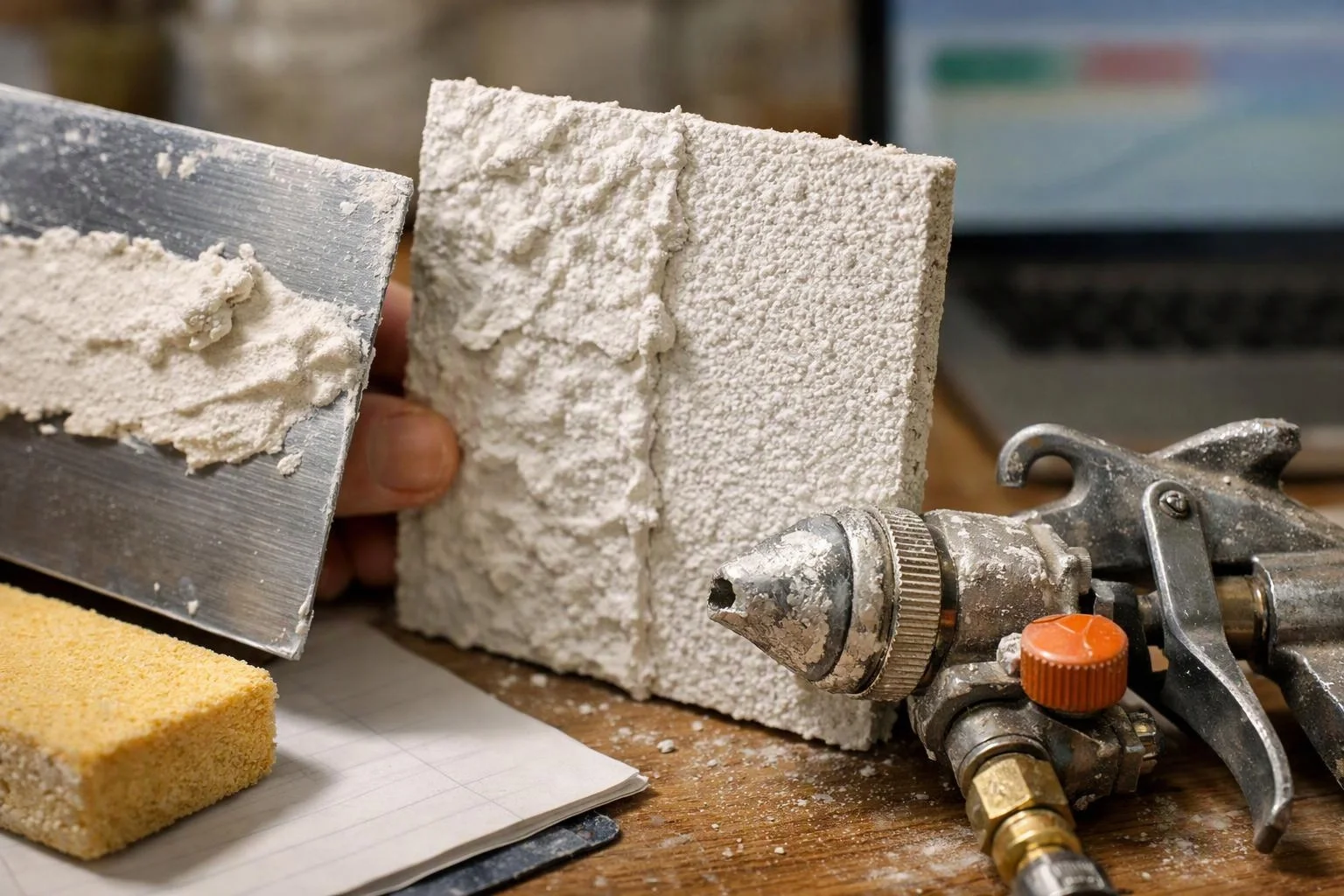
Texture Matching works by copying the visible pattern around a drywall repair. The applicator studies the bumps, lines, spacing, and depth. The surface may be tested on a small area before the final texture is applied.
Related glossary terms: Drywall Joint Compound, Feathering, Surface Preparation.
Drywall Joint Compound or another suitable texture material is spread, sprayed, rolled, or pressed to form the pattern. The application method depends on the existing finish. After the material sets, light sanding or added texture can correct small differences.
Texture matching also considers light and viewing angle. A finish may look close from one direction but show a ridge from another. Paint is applied after the texture blends with the surrounding surface.
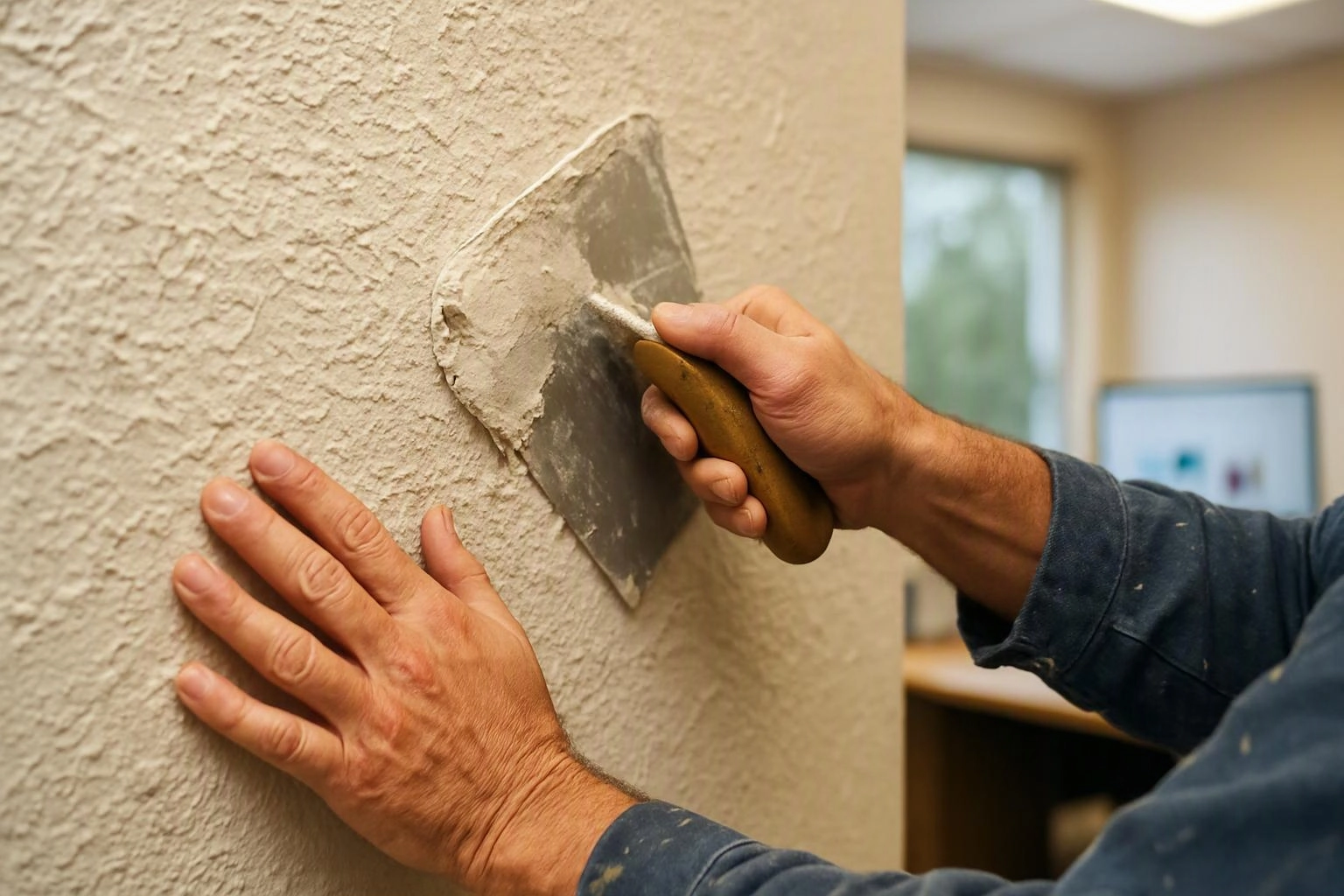
From the PainterSammamishwa.com team
When we handle drywall texturing, we study the surrounding surface before applying new material. We check the patch from several angles and adjust the pattern while the texture remains workable. Our team also keeps texture work separate from final color matching, since each process affects a different part of the finished surface.
Texture Matching in Practice: A Real-World Example
A repaired ceiling has a light stippled pattern around the patch. The painter tests the texture nearby, adjusts the material and tool pressure, then paints the area after the pattern blends with the ceiling.
Related Services
Related Terms
Drywall Joint Compound
Drywall Joint Compound is a spreadable material that fills seams, screw holes, and surface gaps in…
Feathering
Feathering is a drywall finishing method that spreads joint compound beyond a repair or seam. The…
Surface Preparation
Surface Preparation is the cleaning, repair, and conditioning of a surface before paint or coating is…
Color Matching
Color Matching is the process of finding or mixing paint that closely matches an existing color…
PainterSammamishwa.com
Have Questions About Texture Matching?
Contact PainterSammamishwa.com for practical guidance on Texture Matching and related painting contractor work in Sammamish.