For Interior House Painting, what causes interior paint to peel or blister?
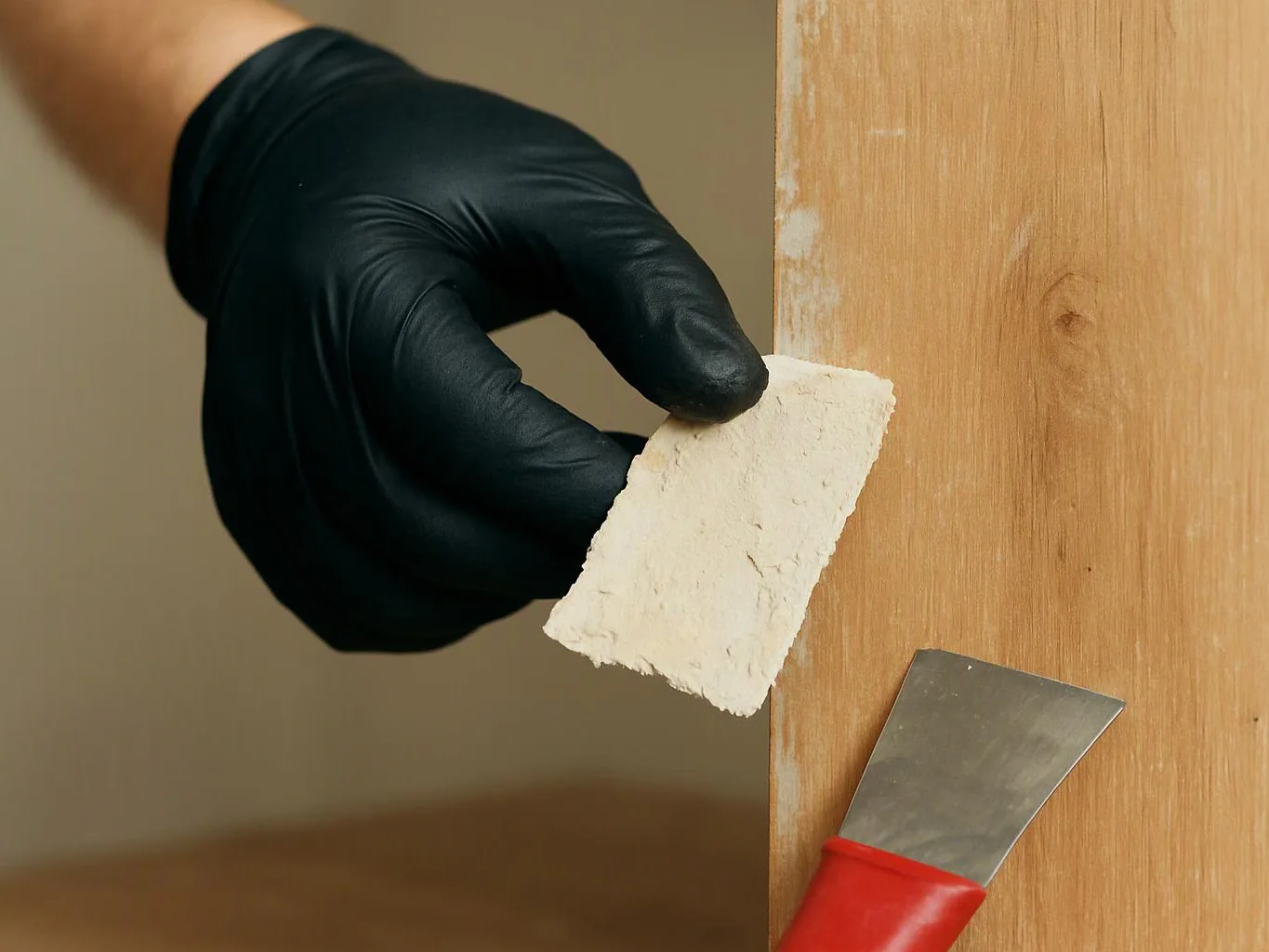
Excess humidity is a leading cause of peeling or blistered interior paint. Damp walls, poor preparation, surface contamination, and incompatible coatings can also weaken the bond. We inspect the failed area and identify whether the problem sits in the coating, the surface, or the wall condition. The repair scope may include removal, cleaning, sanding, primer, and a new finish.
How does the painting appointment move from planning to cleanup?
The painting appointment starts with a consultation and ends with a final review.
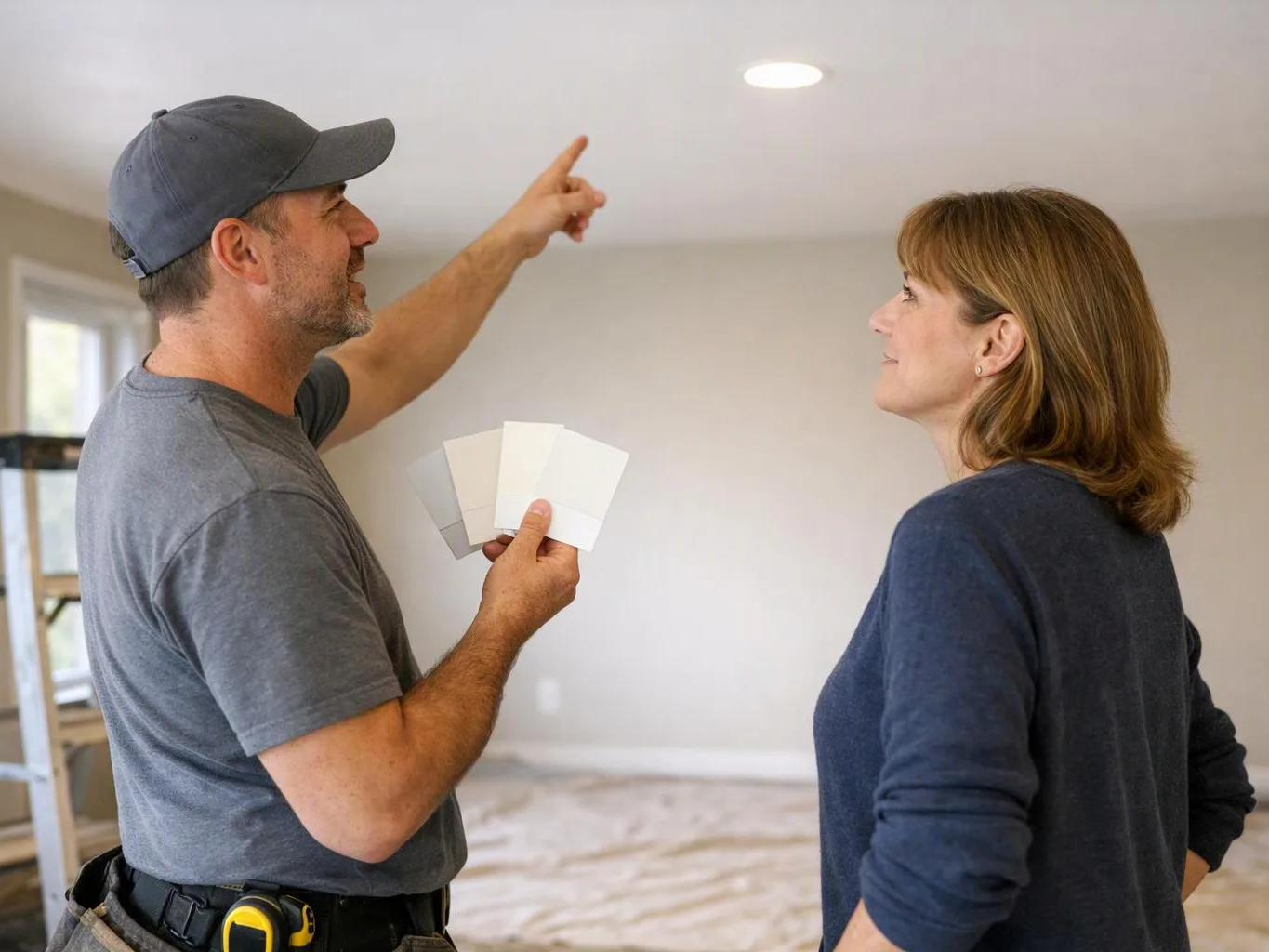
- We discuss goals, rooms, colors, and surface concerns.
- We inspect the property and prepare a written estimate.
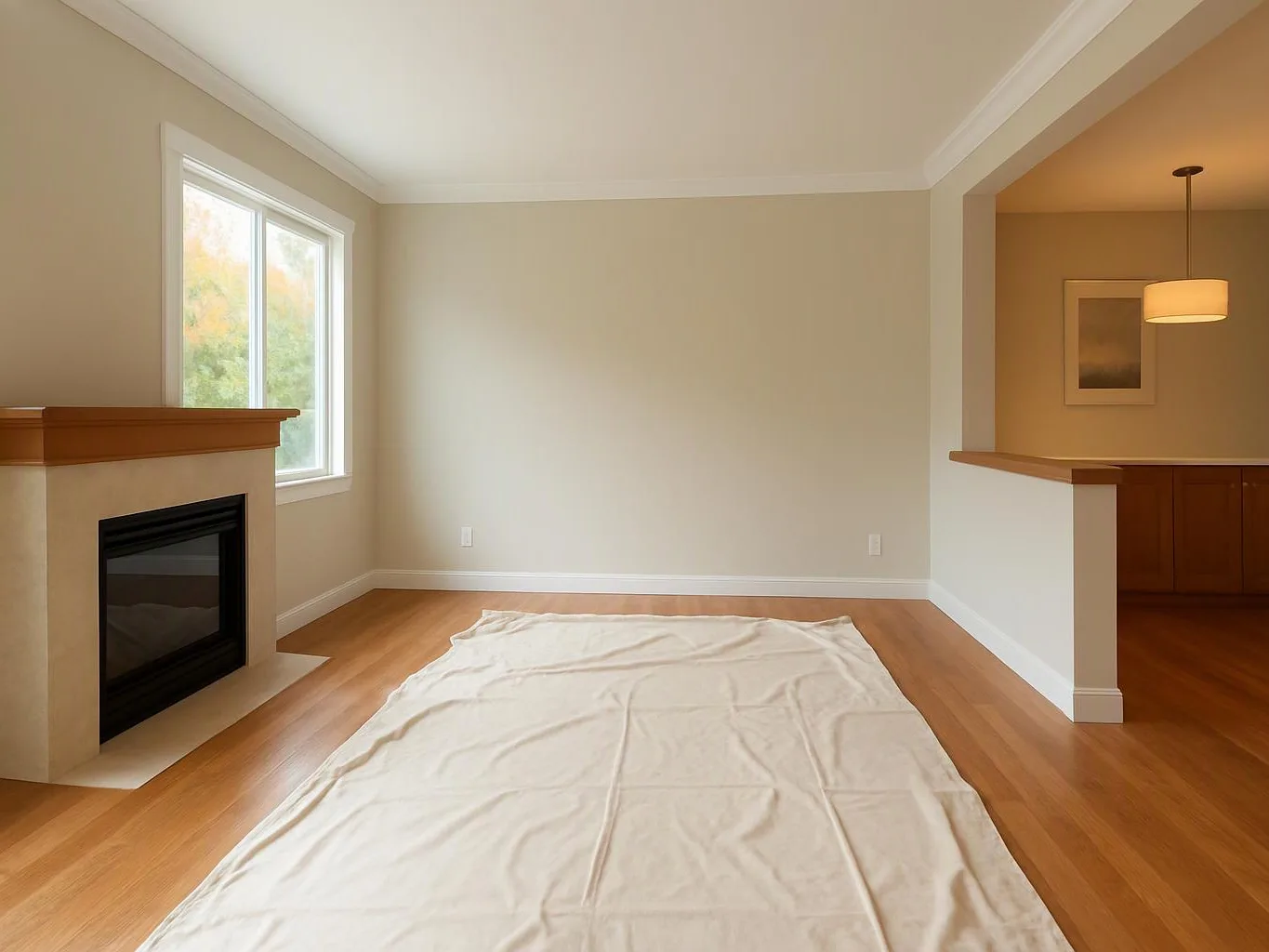
- We protect nearby areas and complete agreed repairs.
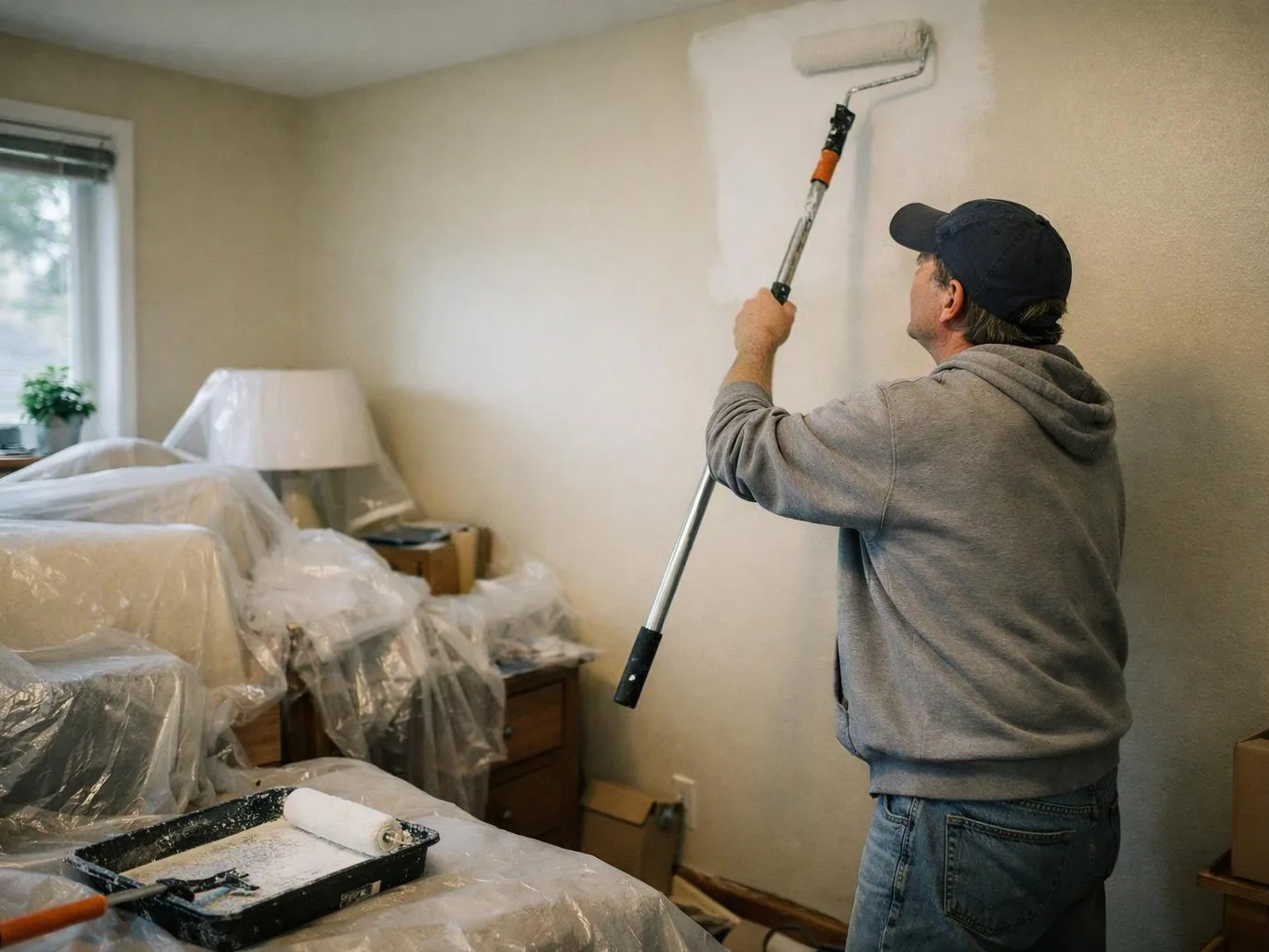
- We apply the finish, clean the work area, and review the result.
Each step follows the agreed project scope.
Which part of a home decides the painting scope?
The condition and type of each surface decide the painting scope. Walls with peeling paint need different preparation from sound trim or doors. Cabinets and built-in details may need a separate coating approach. We list rooms, surfaces, repairs, protection, and finish work so the written estimate matches the property.
When should a wall be repaired before it is painted?
A wall needs repair before painting when the substrate is loose, damp, damaged, contaminated, or unable to hold a coating. We inspect cracks, peeling edges, stains, and exposed material before applying primer or paint. Active leaks and other building defects need correction first. Painting can then follow once the surface is ready.
What information helps you prepare an interior painting estimate?
Room count, surface types, visible damage, prior coatings, and desired finish help shape an interior painting estimate. Please identify walls, ceilings, trim, doors, cabinets, or other details you want included. Photos can help with the first discussion, but the in-home meeting lets us inspect the actual surfaces and plan protection and preparation.
Why does fresh paint fail when the wall looks clean?
Fresh paint can fail when the surface is glossy, dusty, greasy, damp, or covered with a coating that does not bond well. A wall may look clean while still needing washing, sanding, repair, or primer. We check the surface before painting and include the needed preparation in the written project scope.
How do interior painting and cabinet painting differ?
Interior painting focuses on room surfaces such as walls, ceilings, trim, and doors, while cabinet painting focuses on cabinet doors, boxes, and related details. We can discuss both services during the same consultation when the property needs them. The estimate should separate each surface group because preparation and application needs differ.